


Skip to content
Home / Products

Pad Printing Services

Our pad printing services cover the core processes, consumables and production options used for medical and electronic components. Different pads, inks, plates and curing choices support accurate, durable markings.

Pad Printing Services
Single Colour Printing

Single Colour Printing

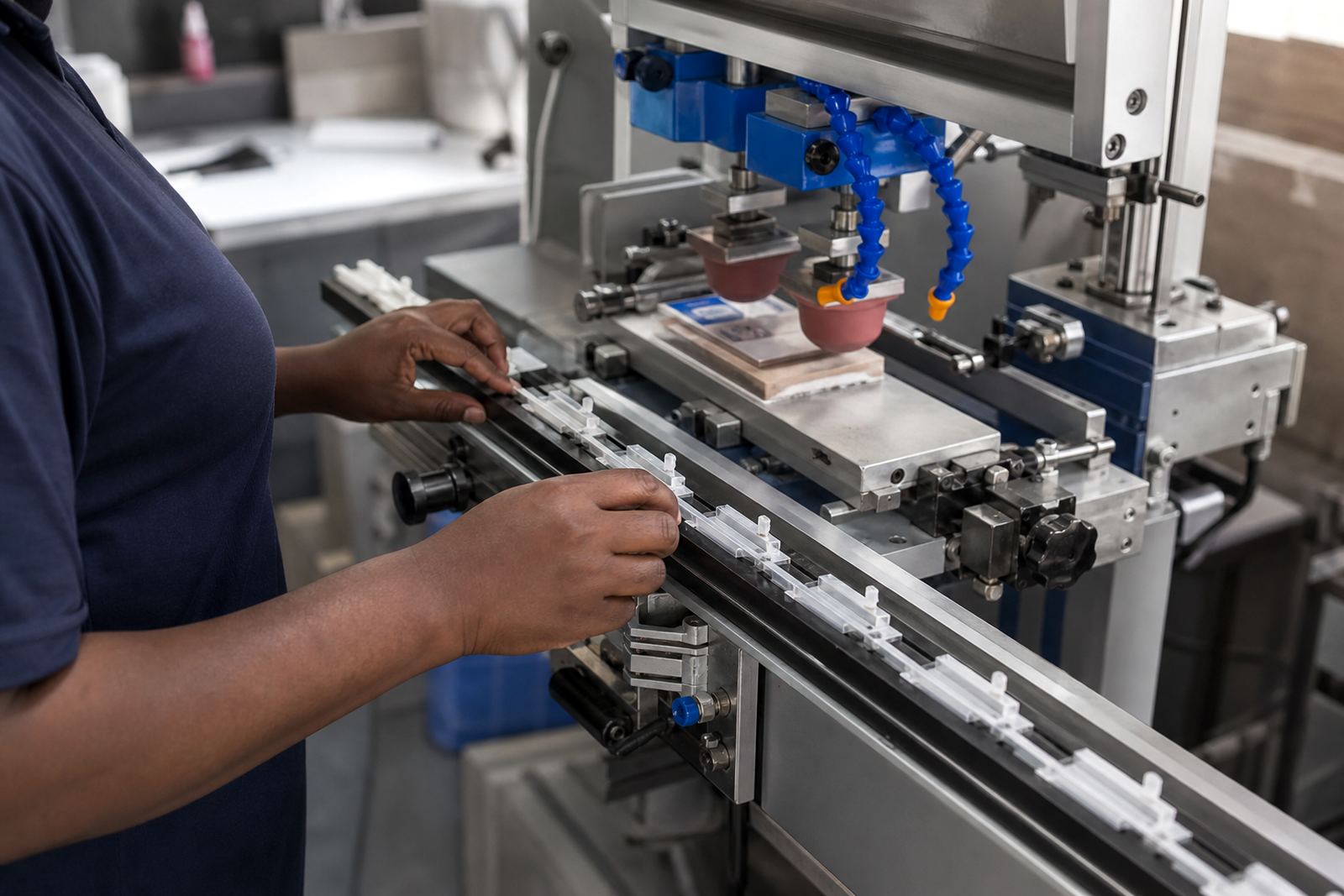
Clean one colour pad printing for symbols, scales, part numbers and simple branding on small components.

Two Colour Printing

Two Colour Printing

Two pass pad printing for components that need contrasting legends, indicators or branding details.

Multi Colour Printing

Multi Colour Printing

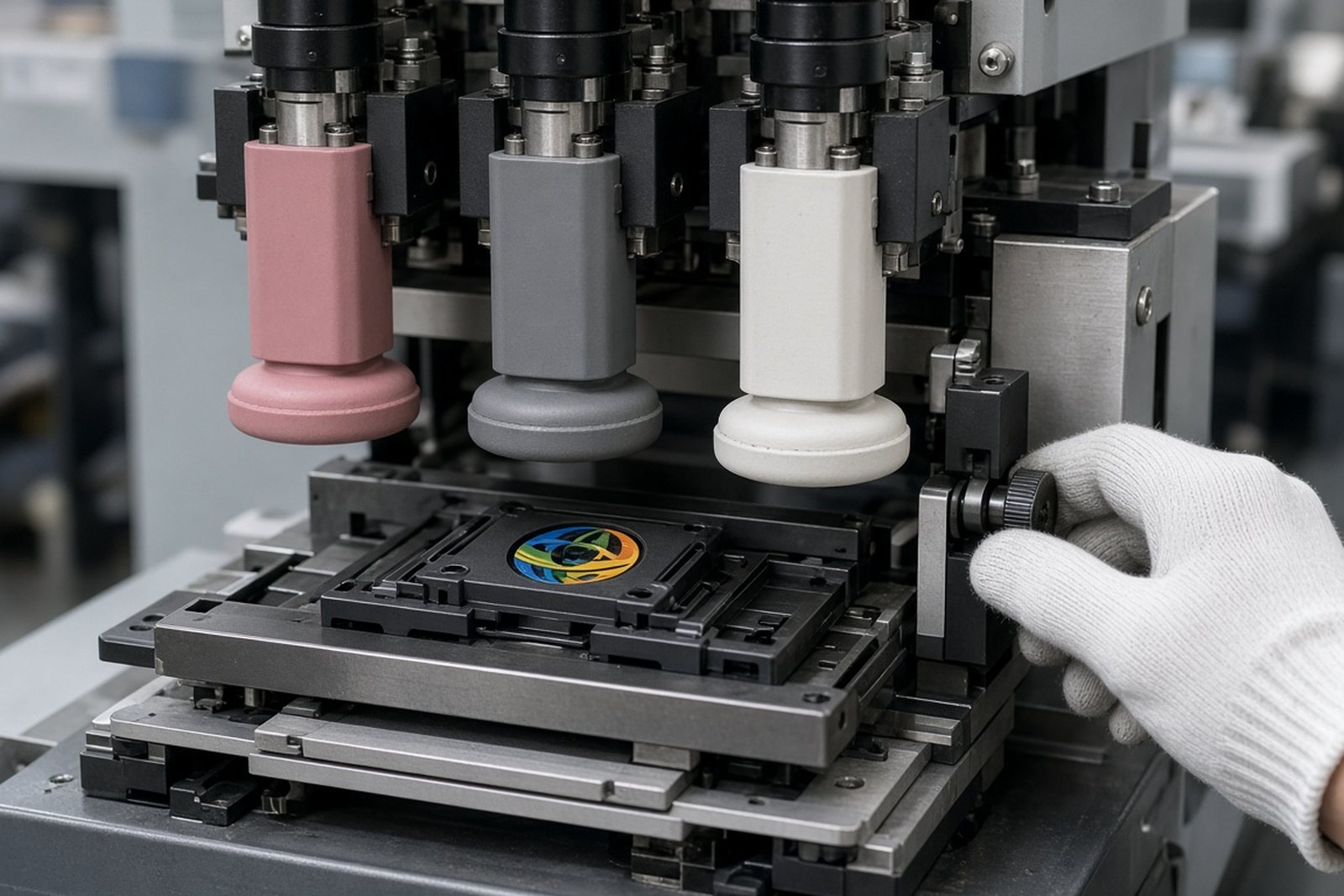
Multi stage printing for medical and electronic parts requiring more complex visual layouts.

Small Part Marking

Small Part Marking

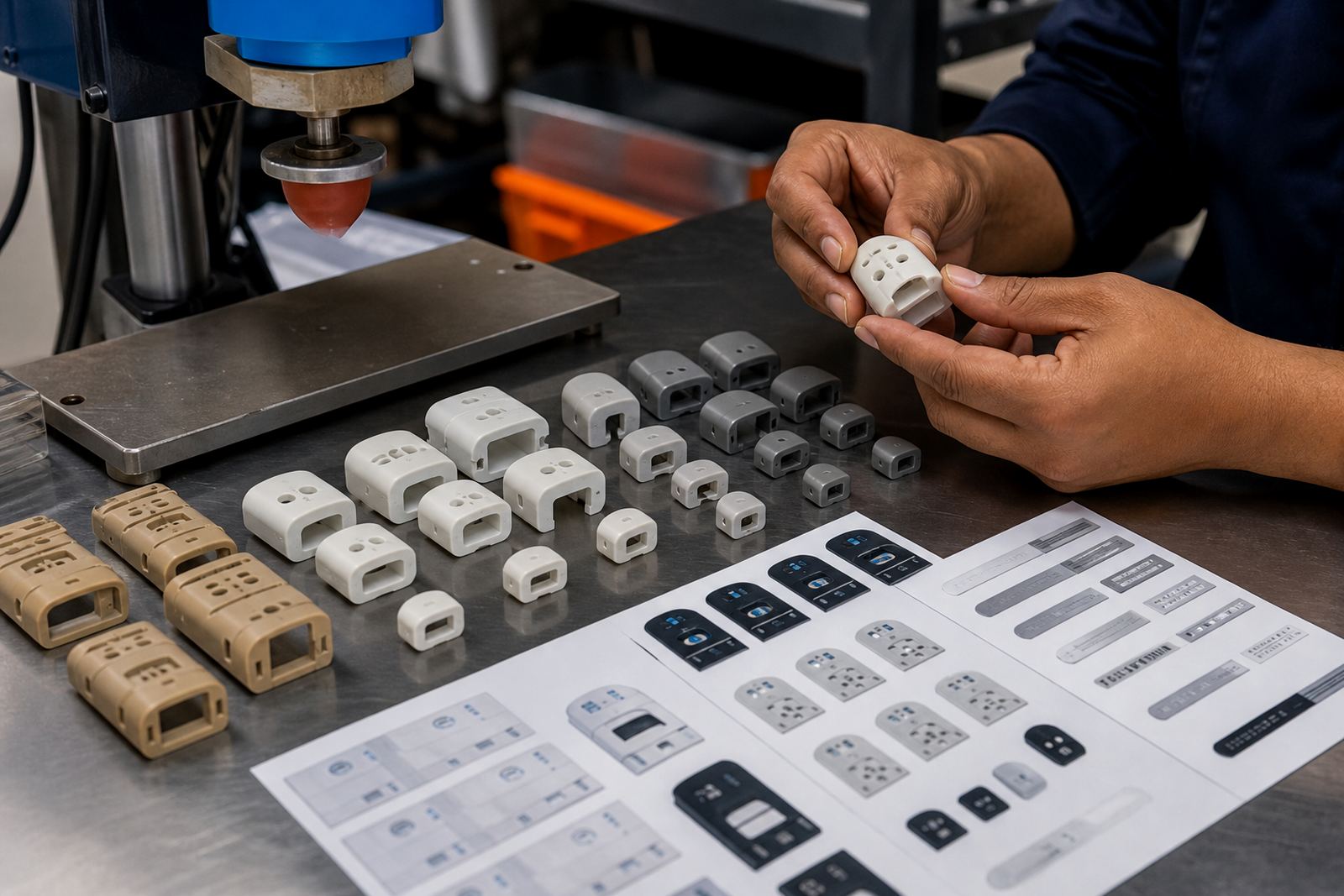
Fine detail printing for compact moulded parts where clear, stable markings are essential.

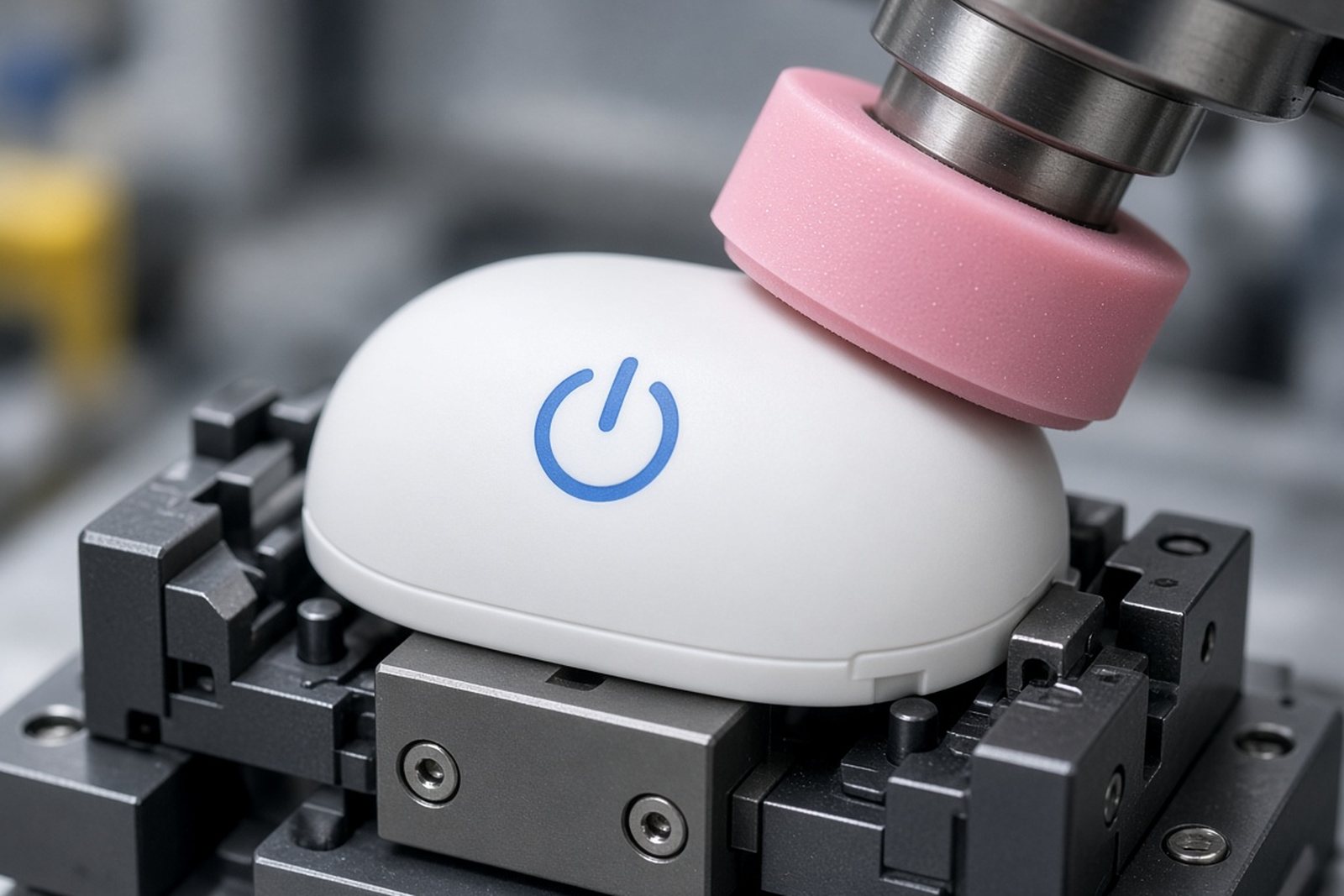
Curved Surface Printing

Curved Surface Printing

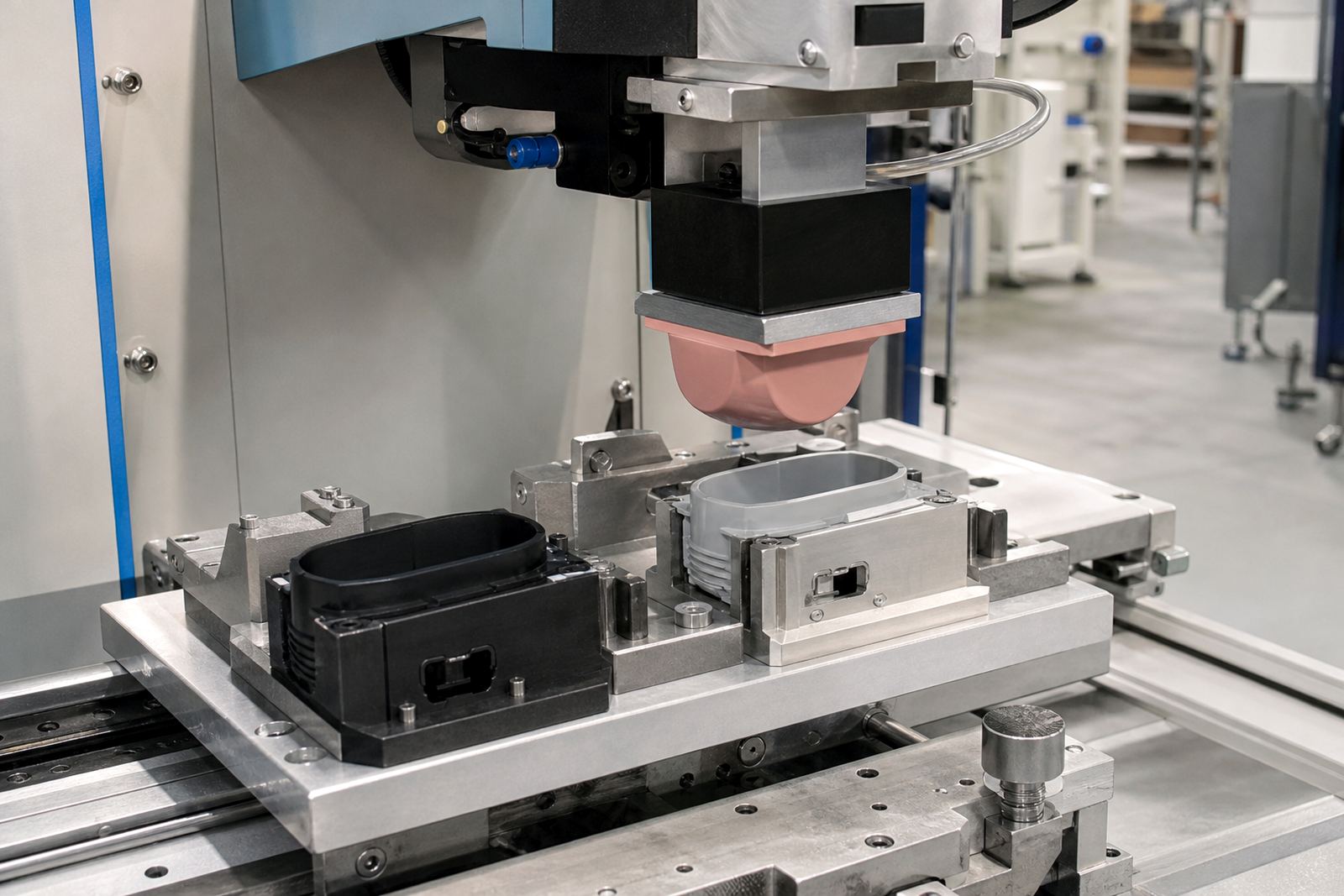
Pad transfer for rounded housings and irregular surfaces that are difficult to mark by other methods.

Flat Surface Printing

Flat Surface Printing

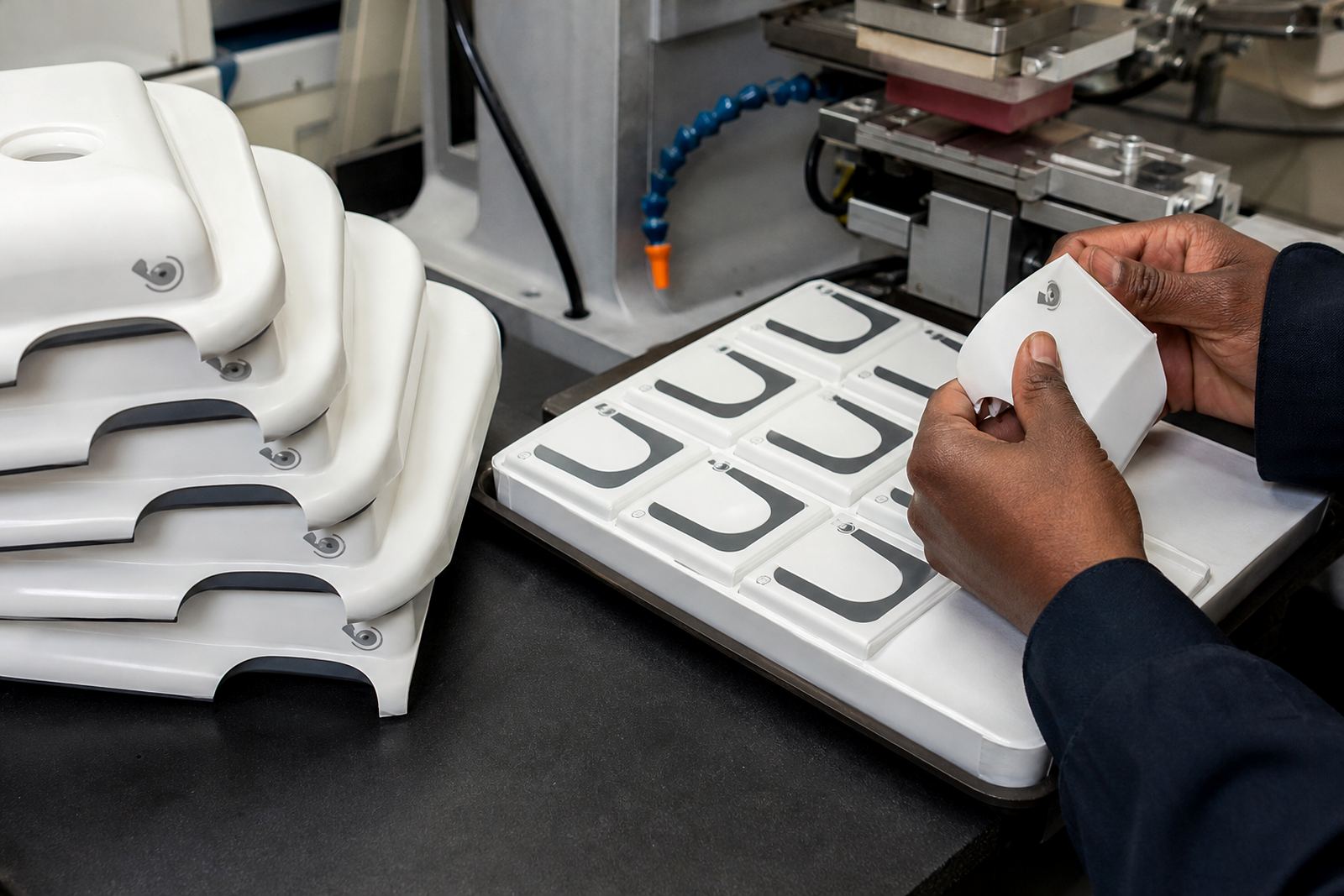
Stable, repeatable marking on flat panels, covers, bezels and plate-like components.

Micro Print Detail

Micro Print Detail

Very small legends and fine line work prepared for miniature parts and dense layouts.

Serial Number Printing

Serial Number Printing

Pad printed identifiers for batch control and product tracking where variable layouts are planned.

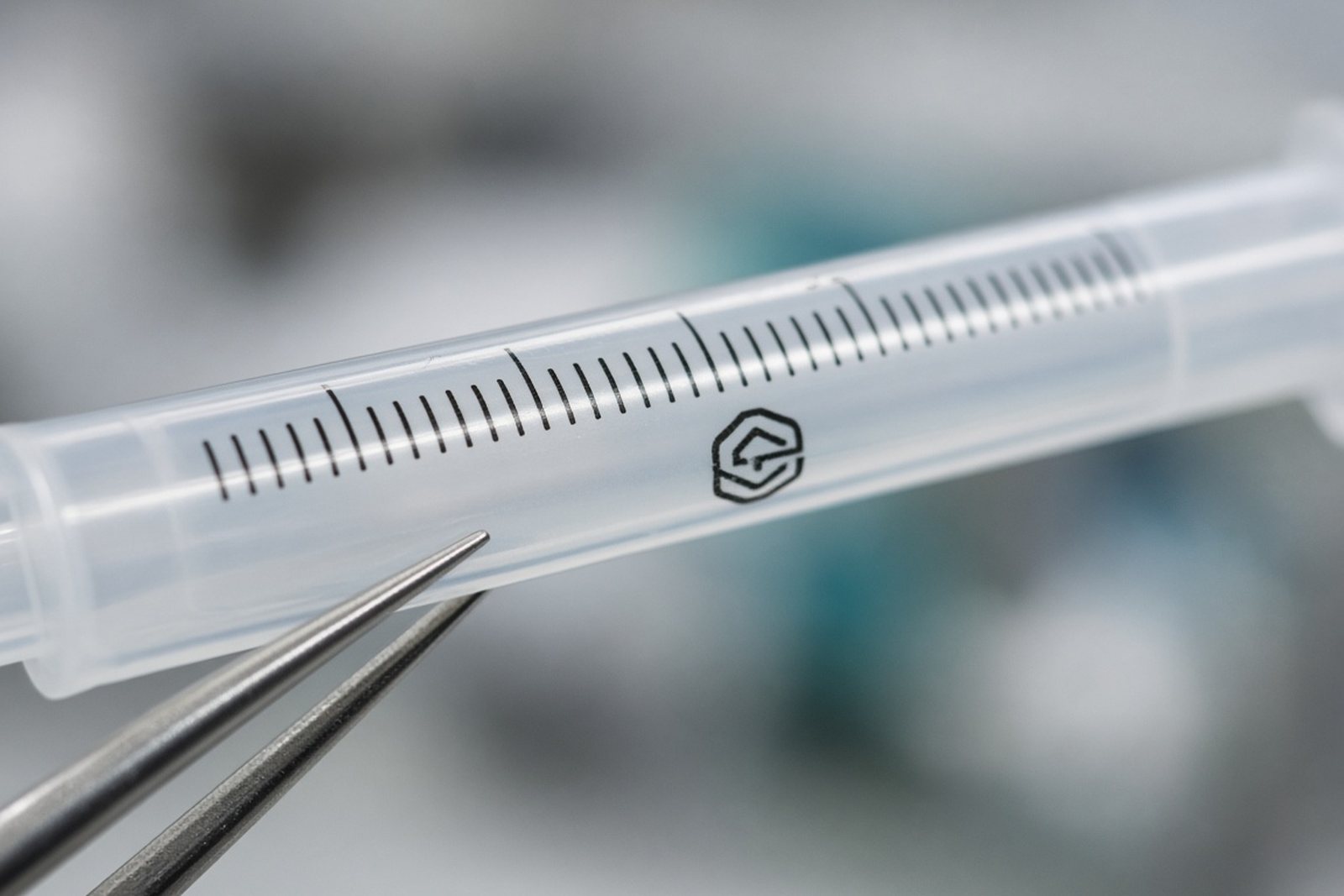
Scale and Graduation

Scale and Graduation

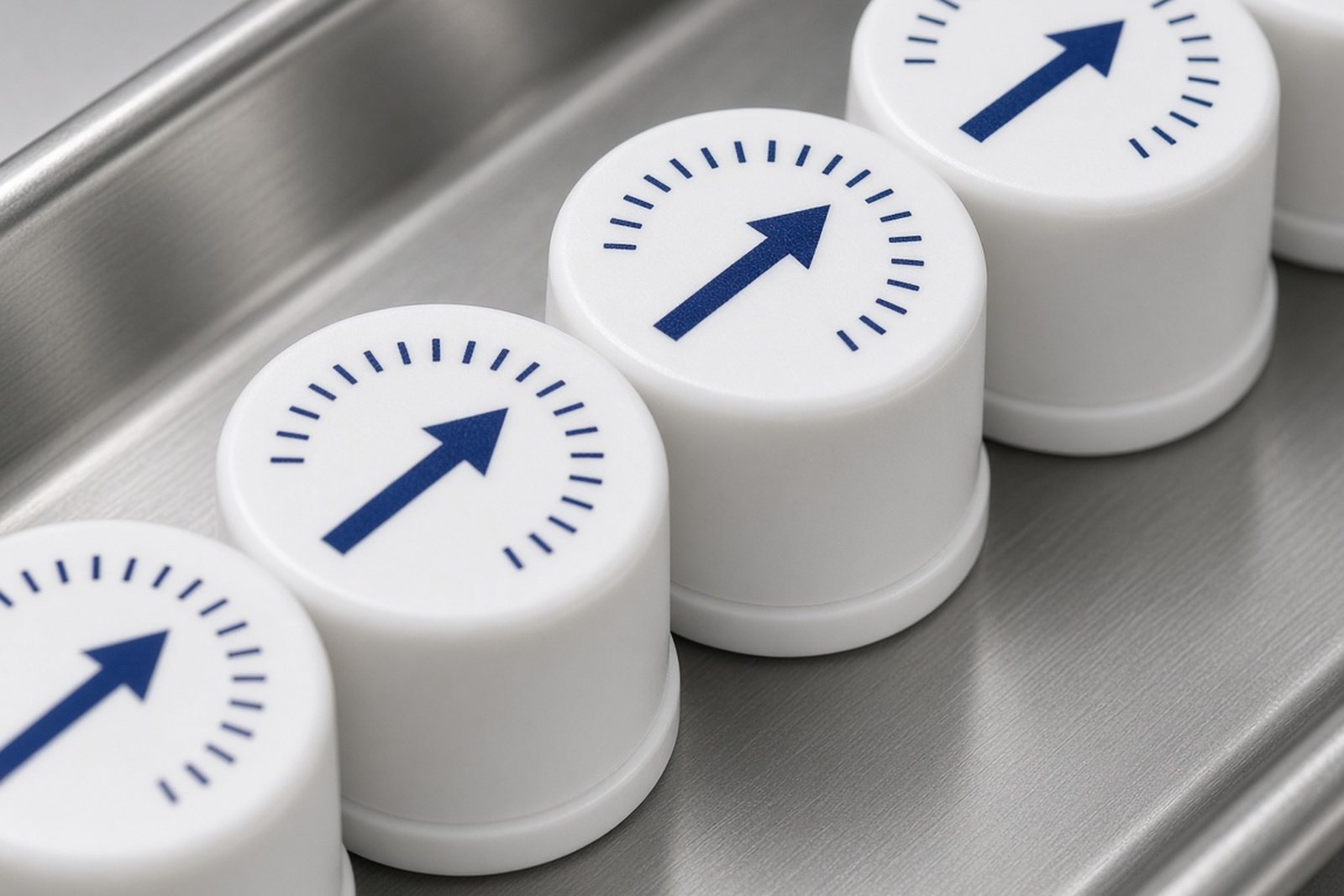
Consistent scales, tick marks and dosage style graduations for functional components.

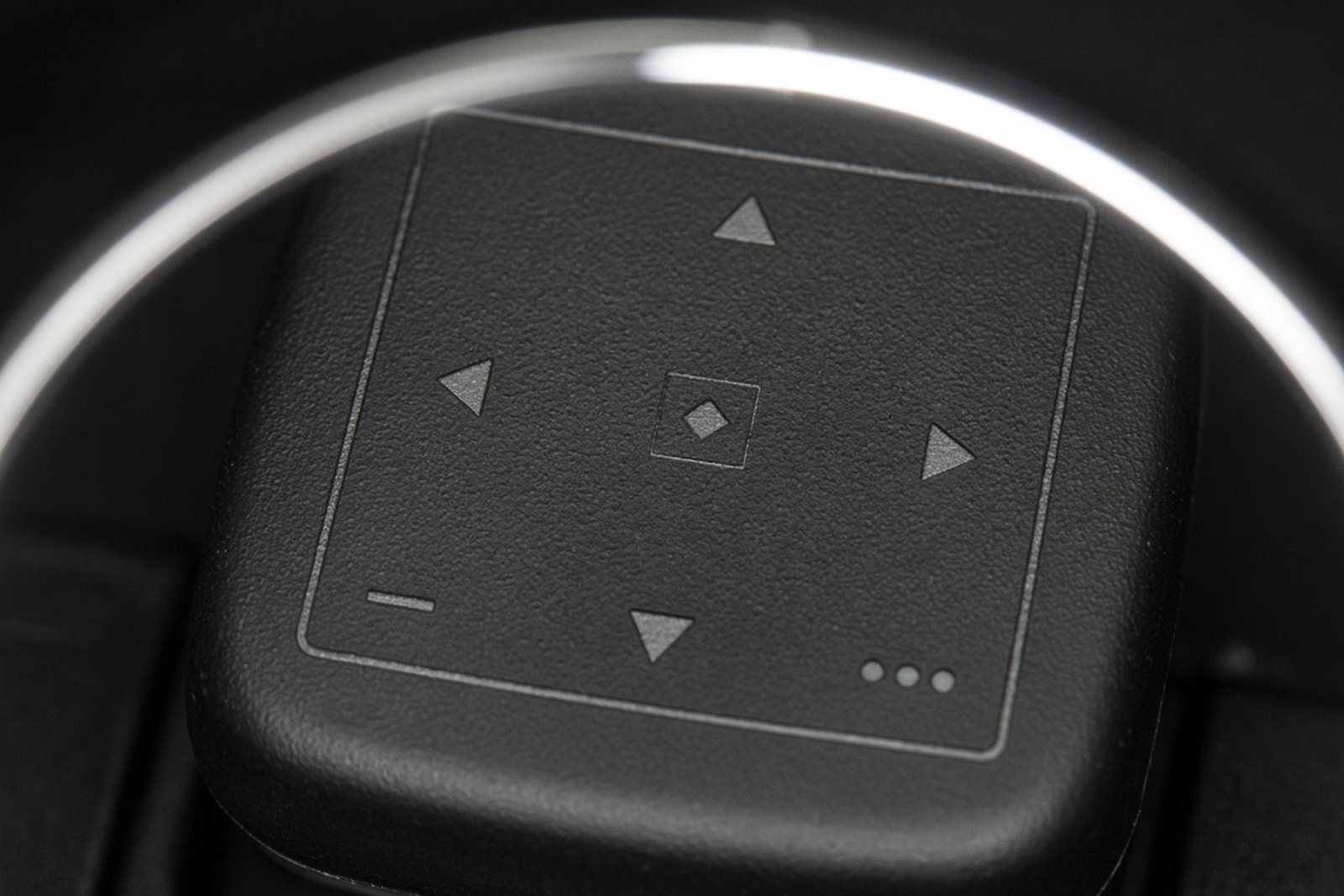
Button Legend Printing

Button Legend Printing

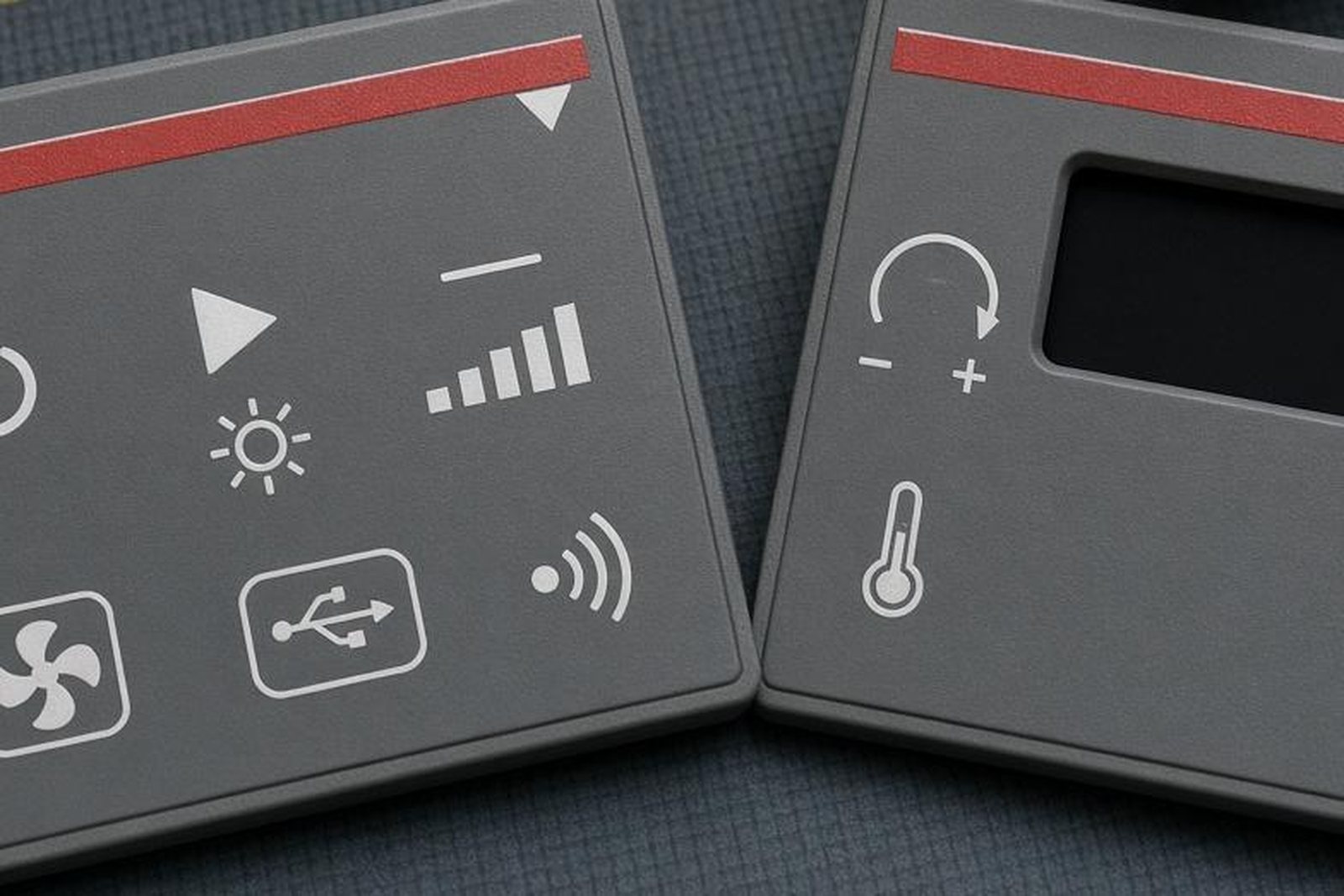
Legible legends for membrane style keys, plastic buttons and control caps.

Housing Logo Printing

Housing Logo Printing

Branding and identification prints placed accurately on moulded housings and instrument covers.

Instrument Panel Printing

Instrument Panel Printing

Marking for front panels, overlays and rigid control faces used in electronic assemblies.

Dial Face Printing

Dial Face Printing

Precise circular layouts and indicator graphics for rotary controls and dial components.

Connector Marking

Connector Marking

Compact labels and polarity symbols for connector bodies and related plastic parts.

Syringe Part Printing

Syringe Part Printing

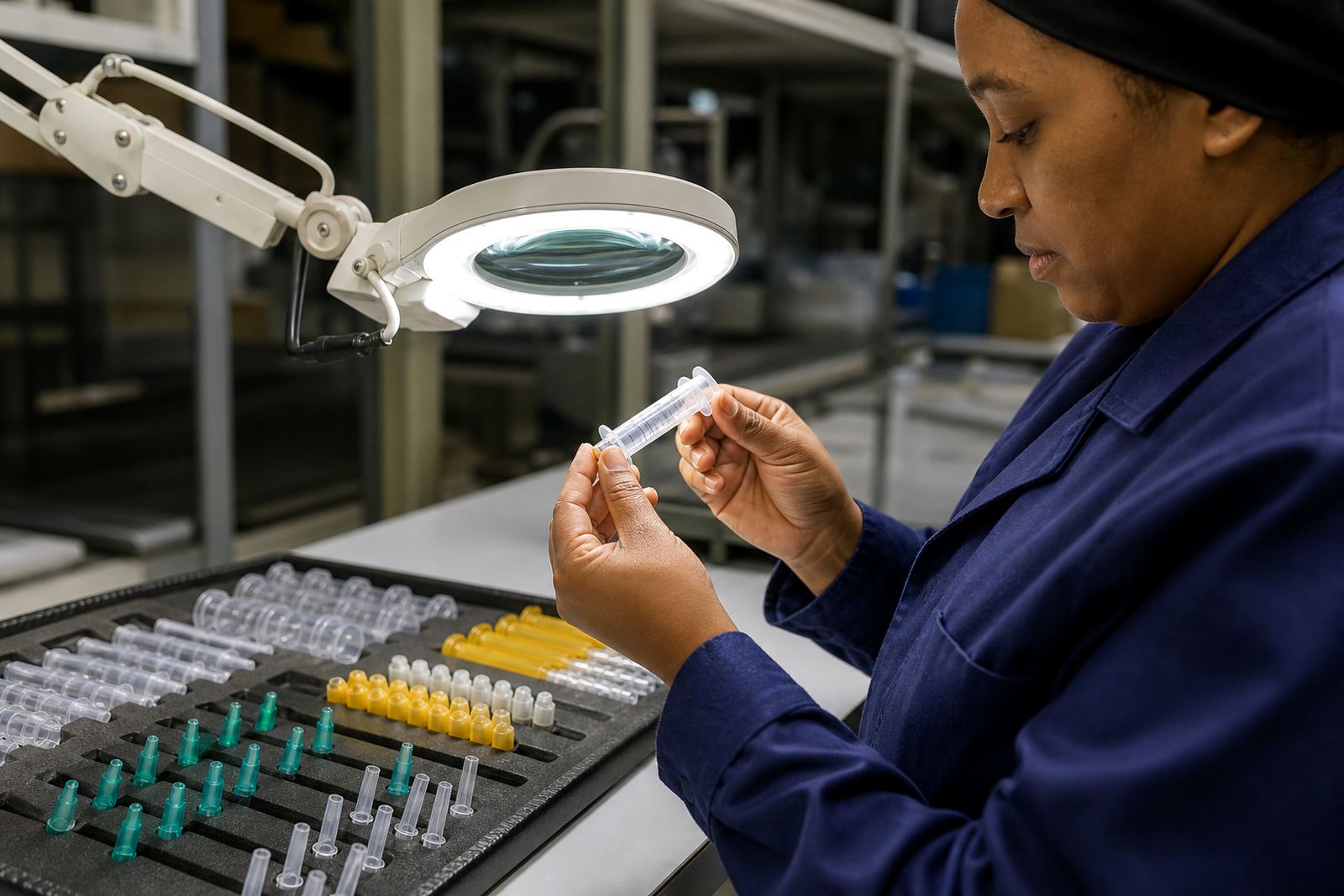
Generic marking for syringe related plastic parts where fine alignment and adhesion matter.

Catheter Part Marking

Catheter Part Marking

Specialist pad printing for selected catheter related components and accessory parts.

Diagnostic Part Printing

Diagnostic Part Printing

Durable printing on diagnostic device components such as housings, knobs and sample holders.

Sensor Housing Printing

Sensor Housing Printing

Marking for compact sensor enclosures and supporting parts used in electronics and instruments.

Enclosure Branding

Enclosure Branding

Neat logos, marks and reference graphics on moulded electronic enclosures and covers.

Switch Cap Printing

Switch Cap Printing

Repeatable icon and letter printing for switch caps and key tops.

Tube Clamp Printing

Tube Clamp Printing

Functional symbols and identification marks on medical style tube clamps and clips.

PCB Carrier Marking

PCB Component Marking

Pad printed marks on plastic carriers, frames and supports used around electronics assemblies.

ESD Safe Ink Options

ESD Safe Ink Options

Practical ink selection guidance for static sensitive production environments and component handling.

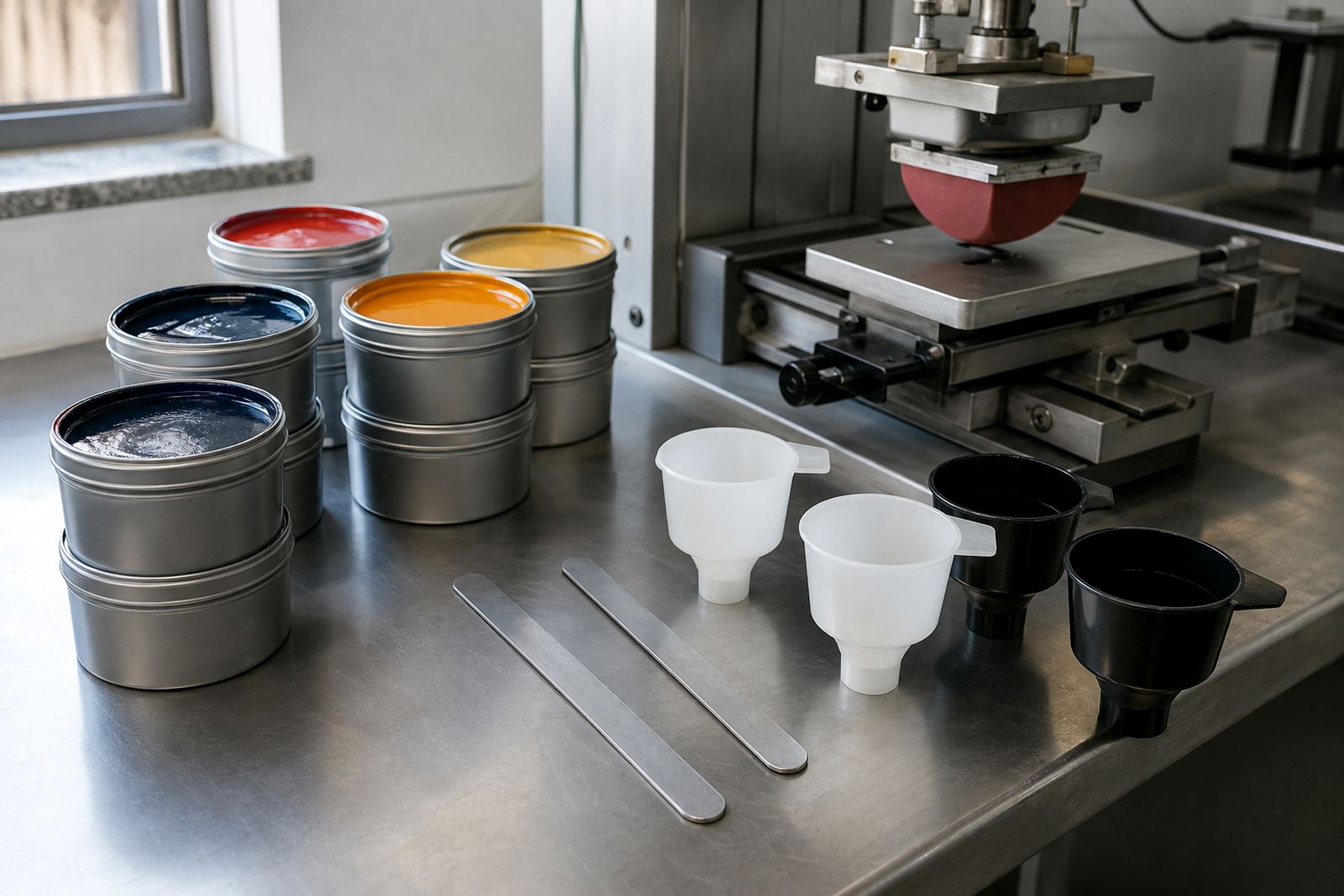
Solvent Based Inks

Solvent Based Inks

Established pad printing inks suited to many plastics and metals with controlled drying behaviour.

Two Part Inks

Two Part Inks

Catalysed ink systems for tougher adhesion and durability where substrate demands are higher.

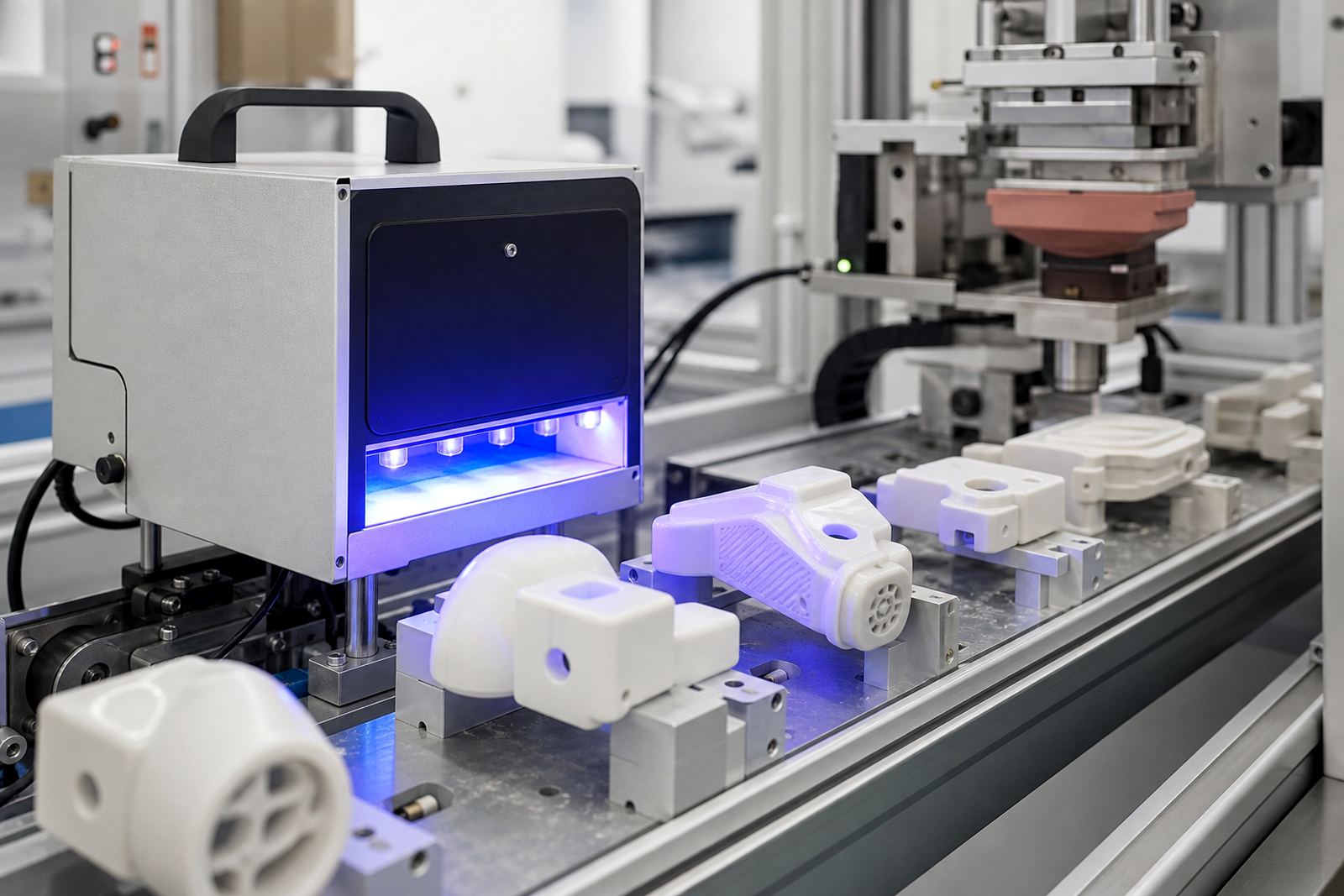
UV Curable Inks

UV Curable Inks

UV responsive ink options for selected applications where rapid curing supports throughput.

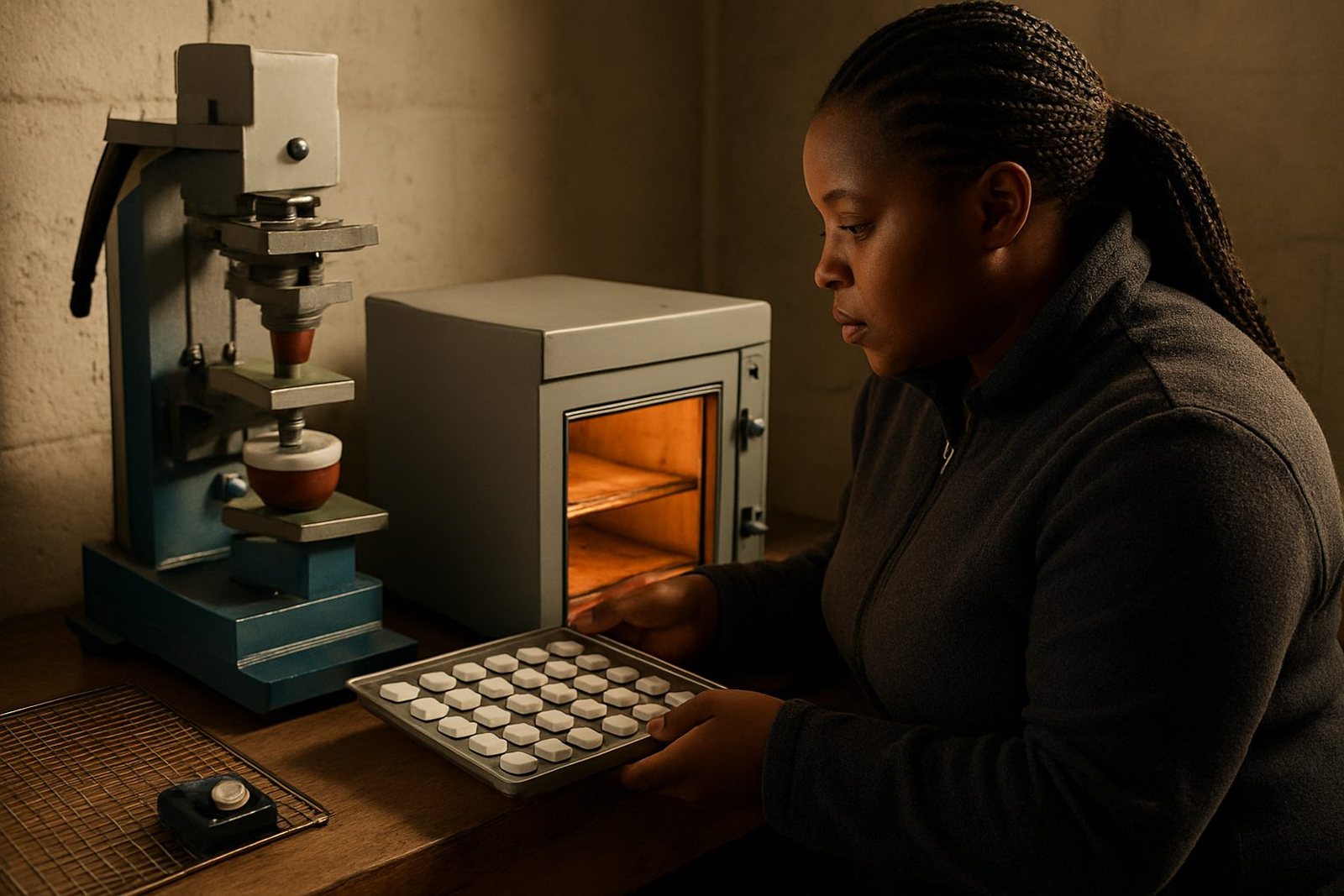
Heat Curing Process

Heat Curing Process

Post print heat curing where an ink system benefits from additional drying and hardening.

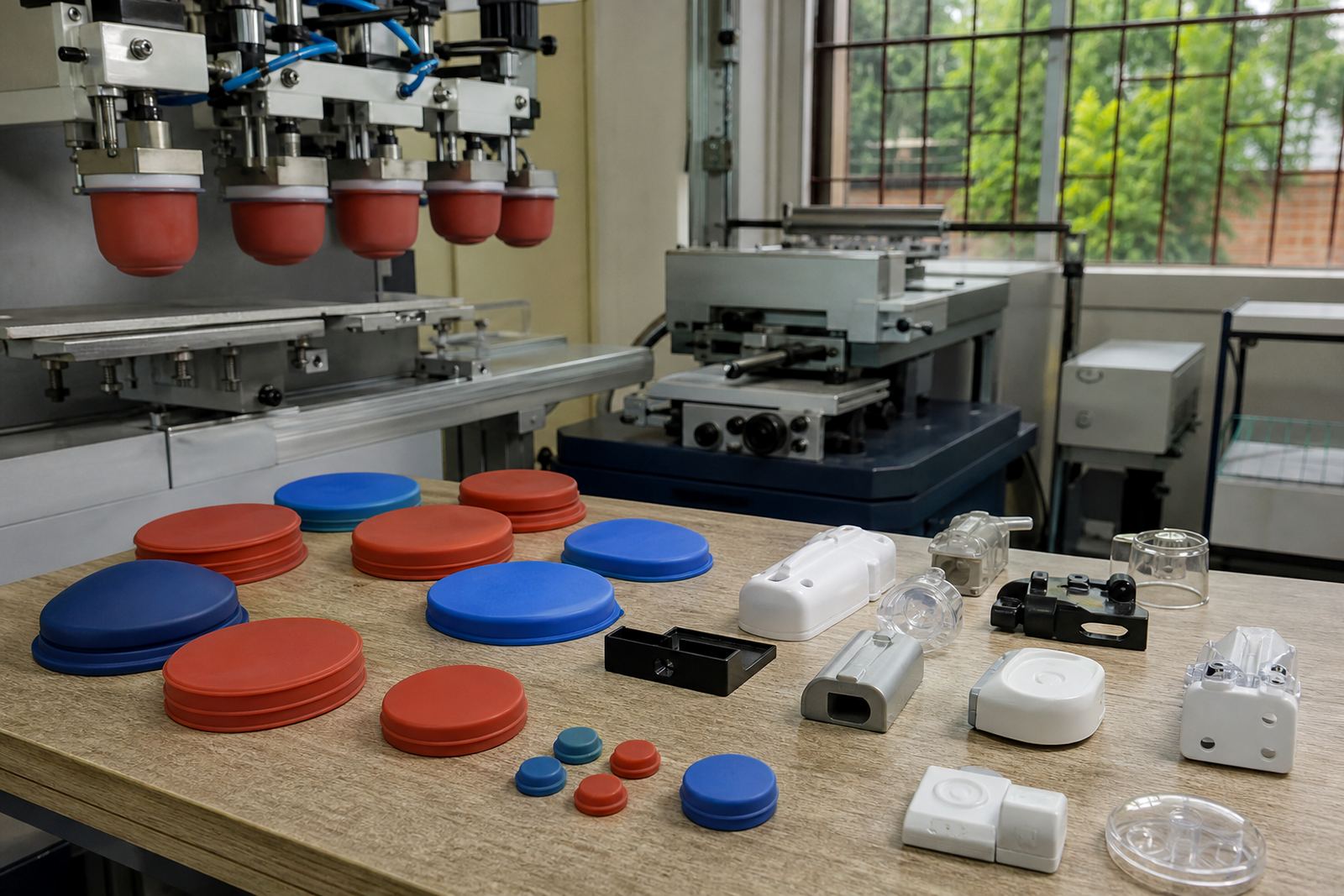
Silicone Pad Selection

Silicone Pad Selection

Choice of pad shape, hardness and size to suit part geometry and image transfer needs.

Steel Plate Etching

Steel Plate Etching

Cliché preparation for repeat production jobs that need stable image depth and transfer.

Polymer Plate Making

Polymer Plate Making

Practical polymer plate production for suitable shorter run or development work.

Fixture Design

Fixture Design

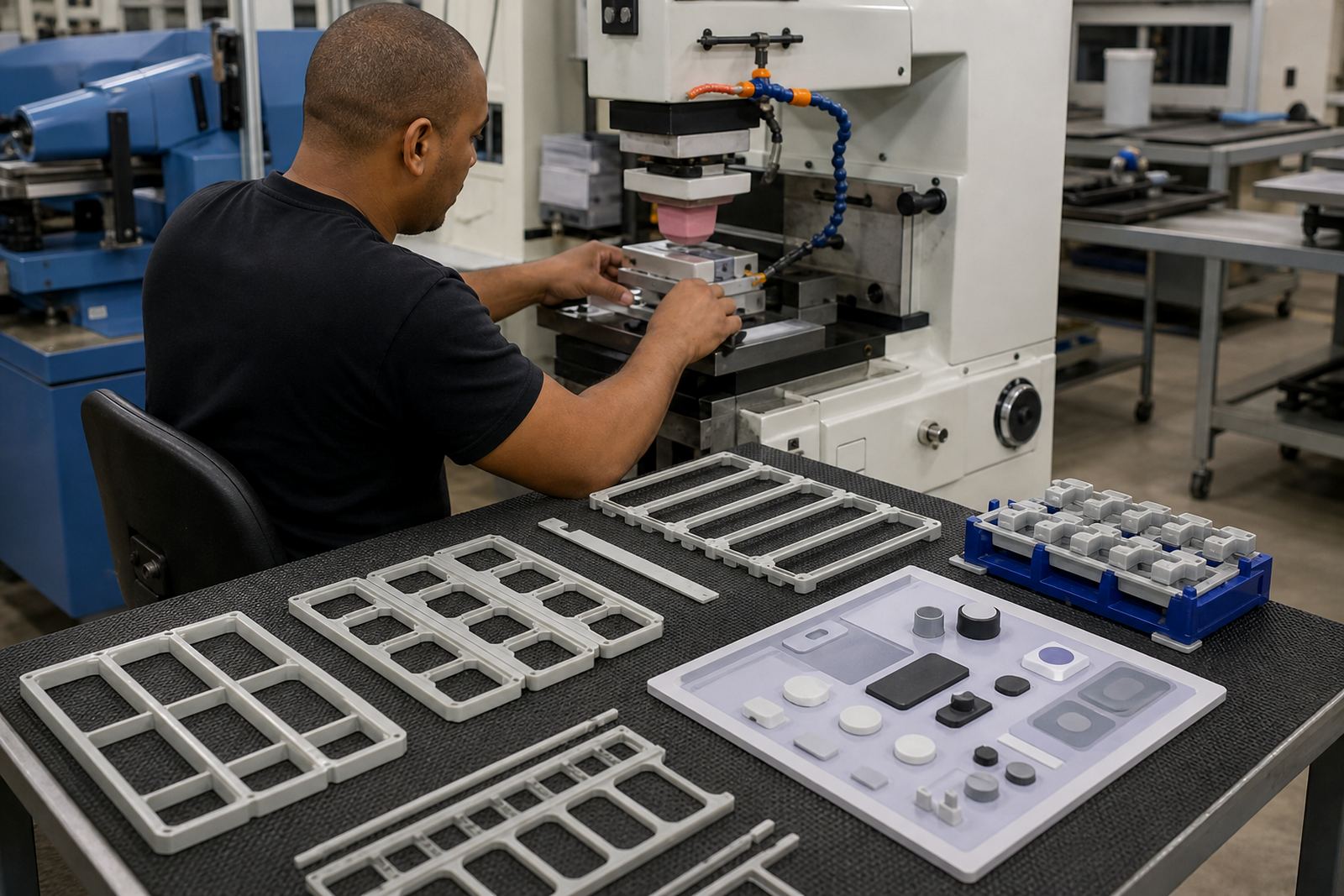
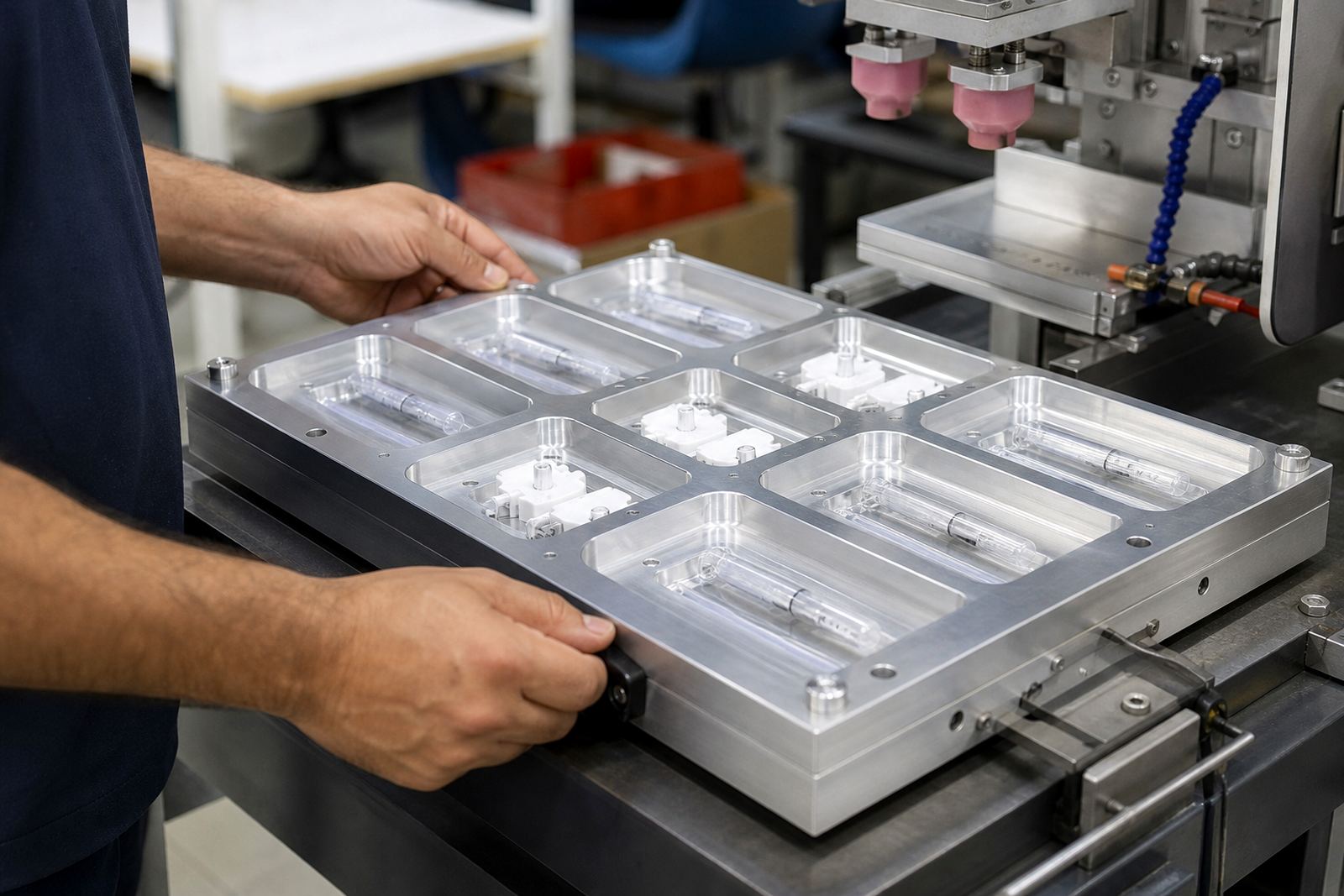
Part holding solutions developed to keep small components stable and accurately presented.

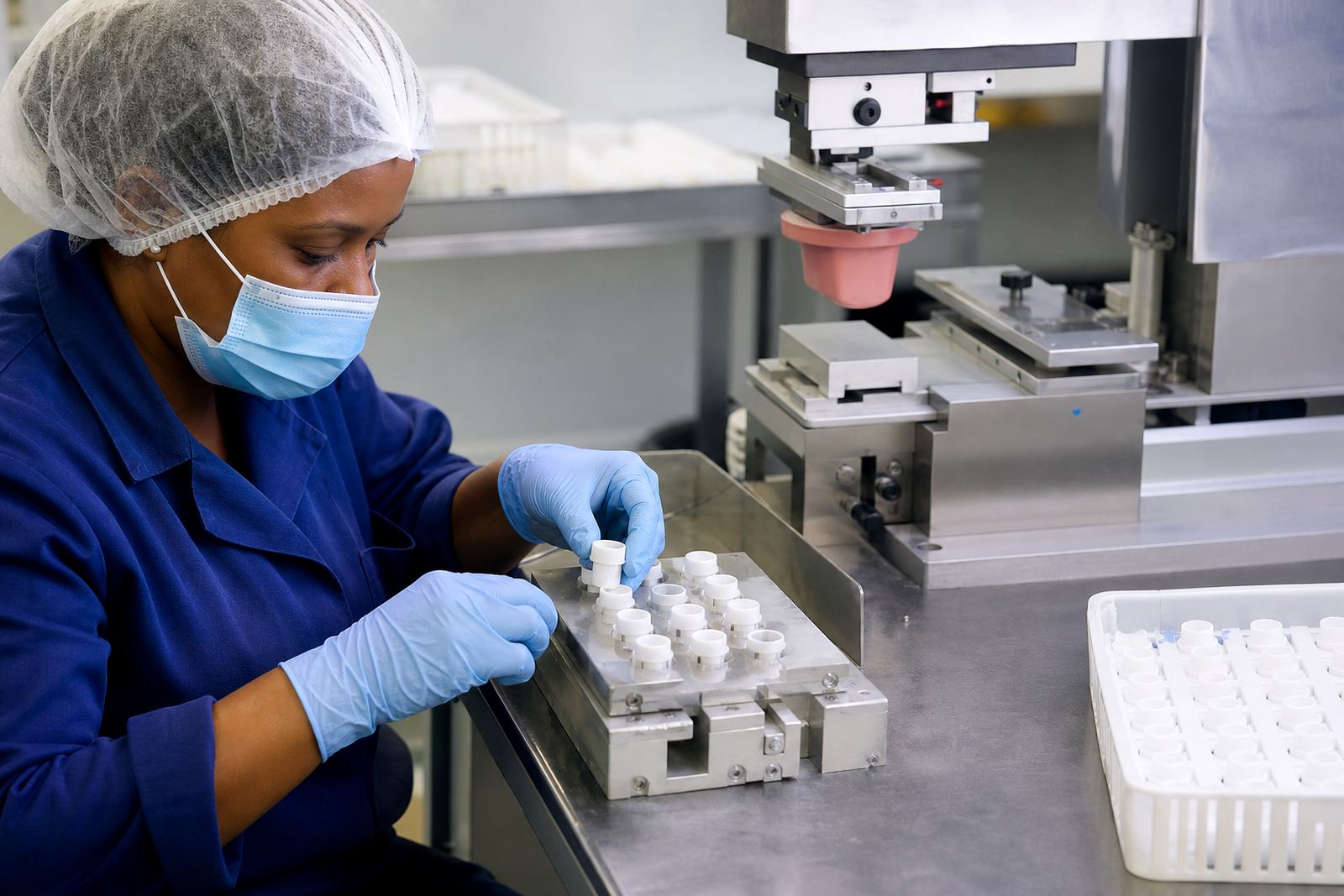
Clean Handling Methods

Clean Handling Methods

Careful handling practices for sensitive components that need tidy, controlled print preparation.

What Pad Printing Is Used For

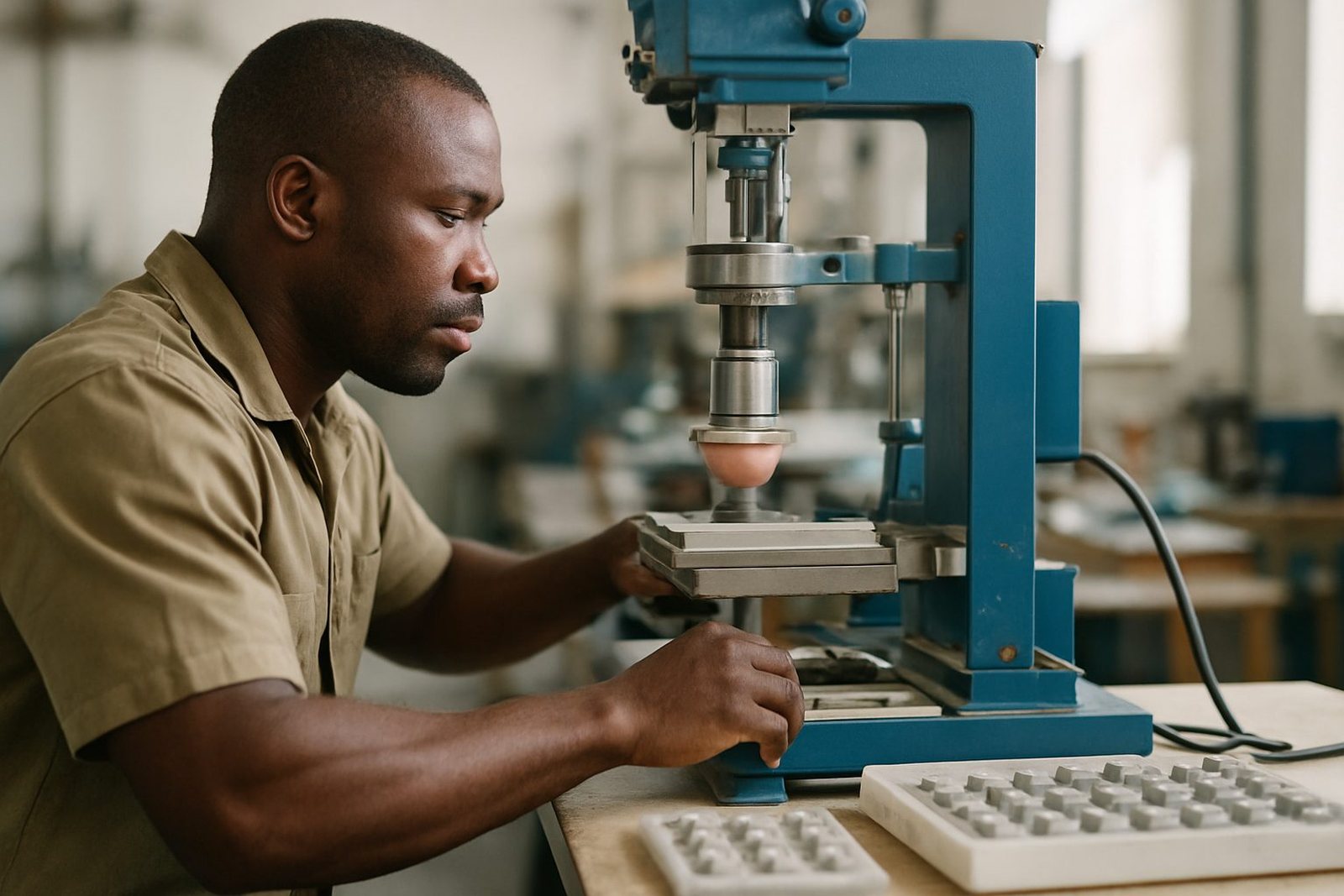
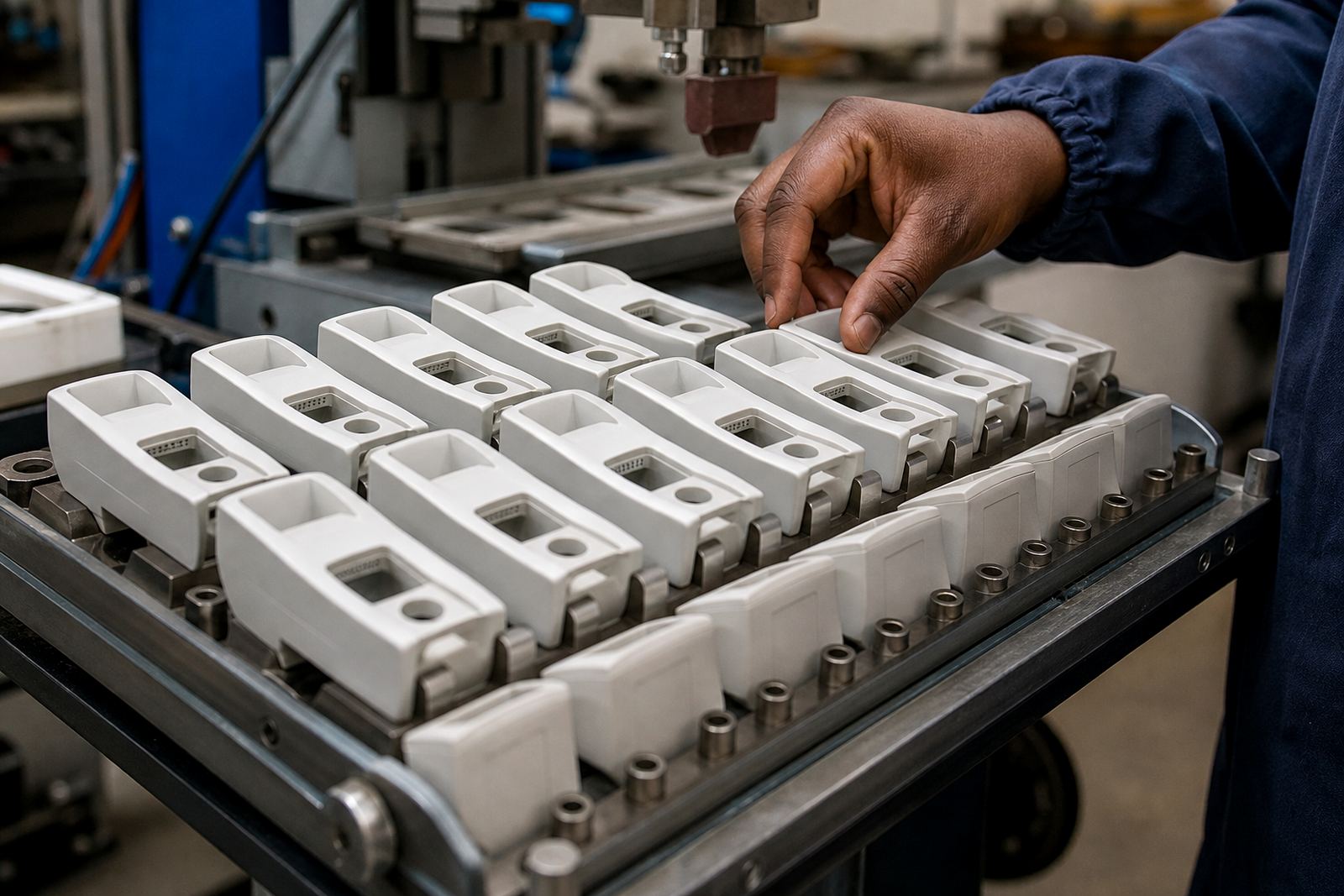
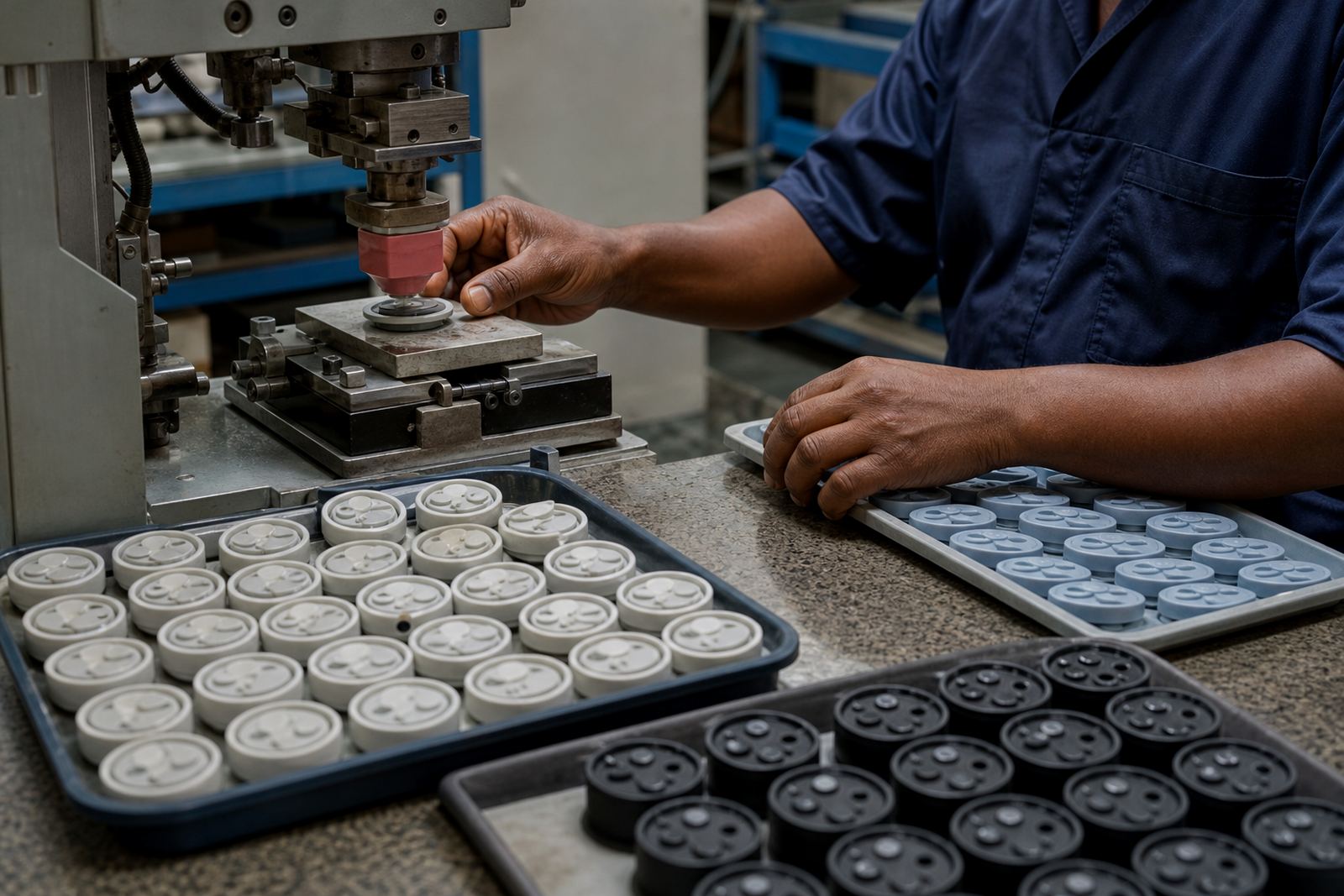
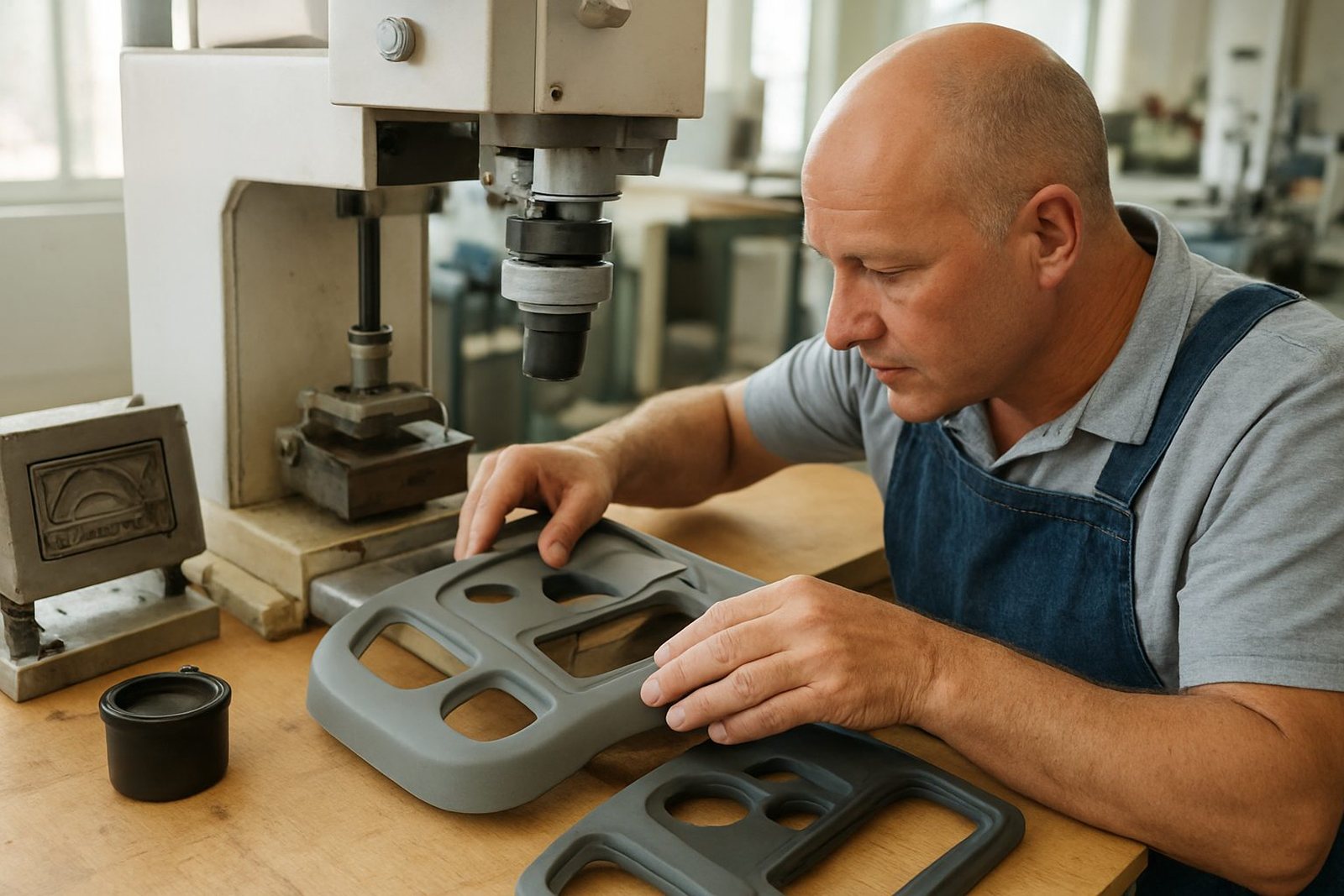
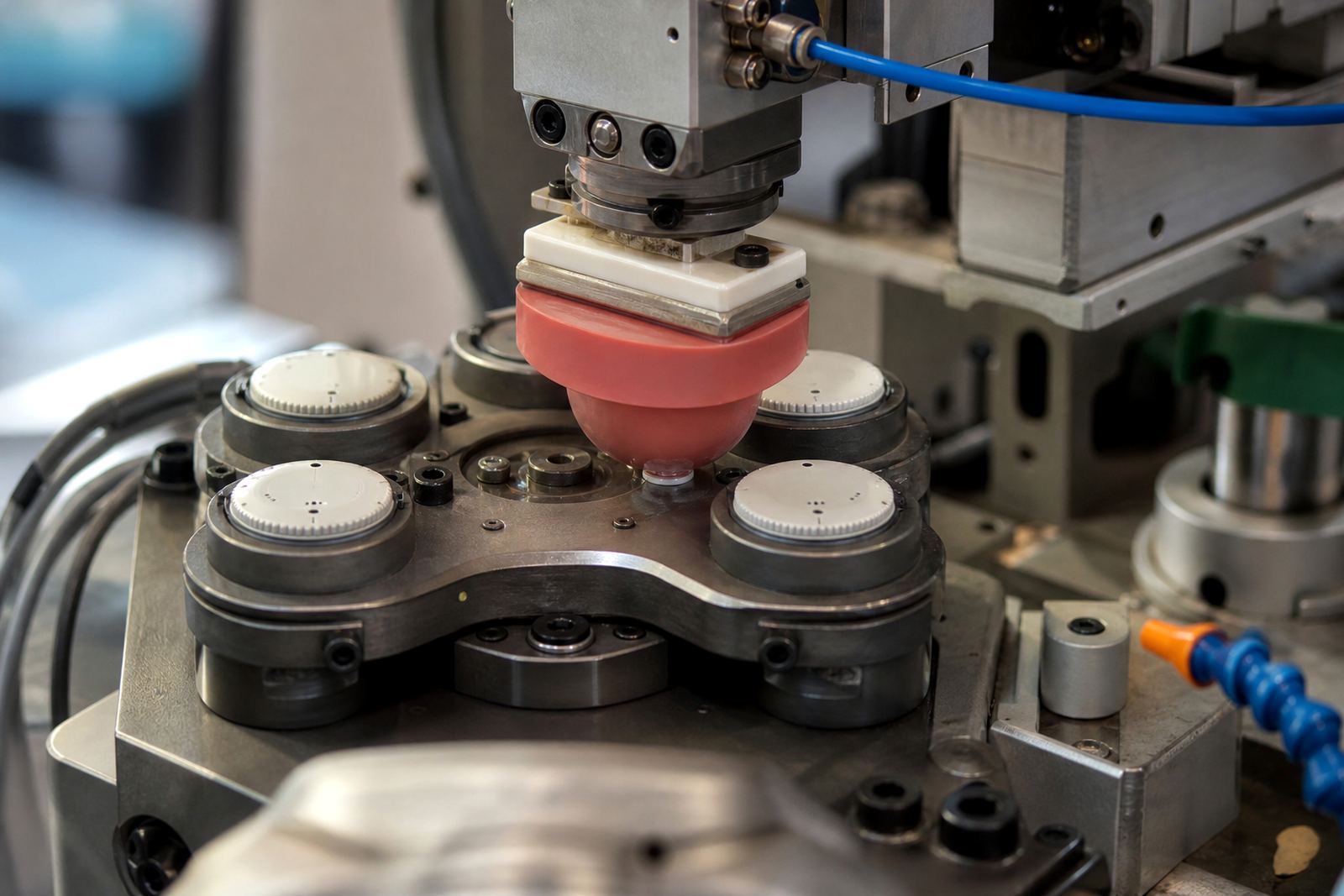
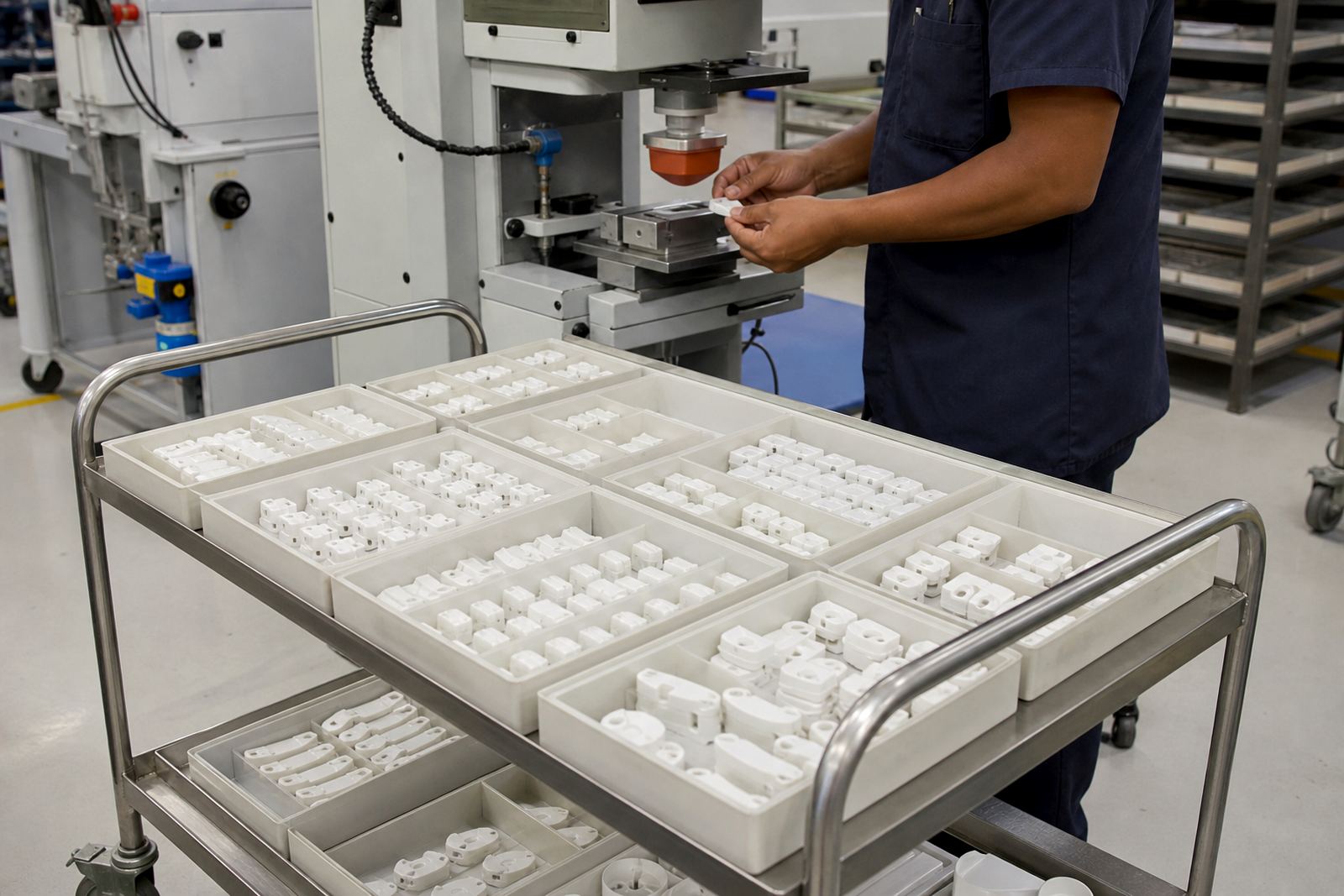
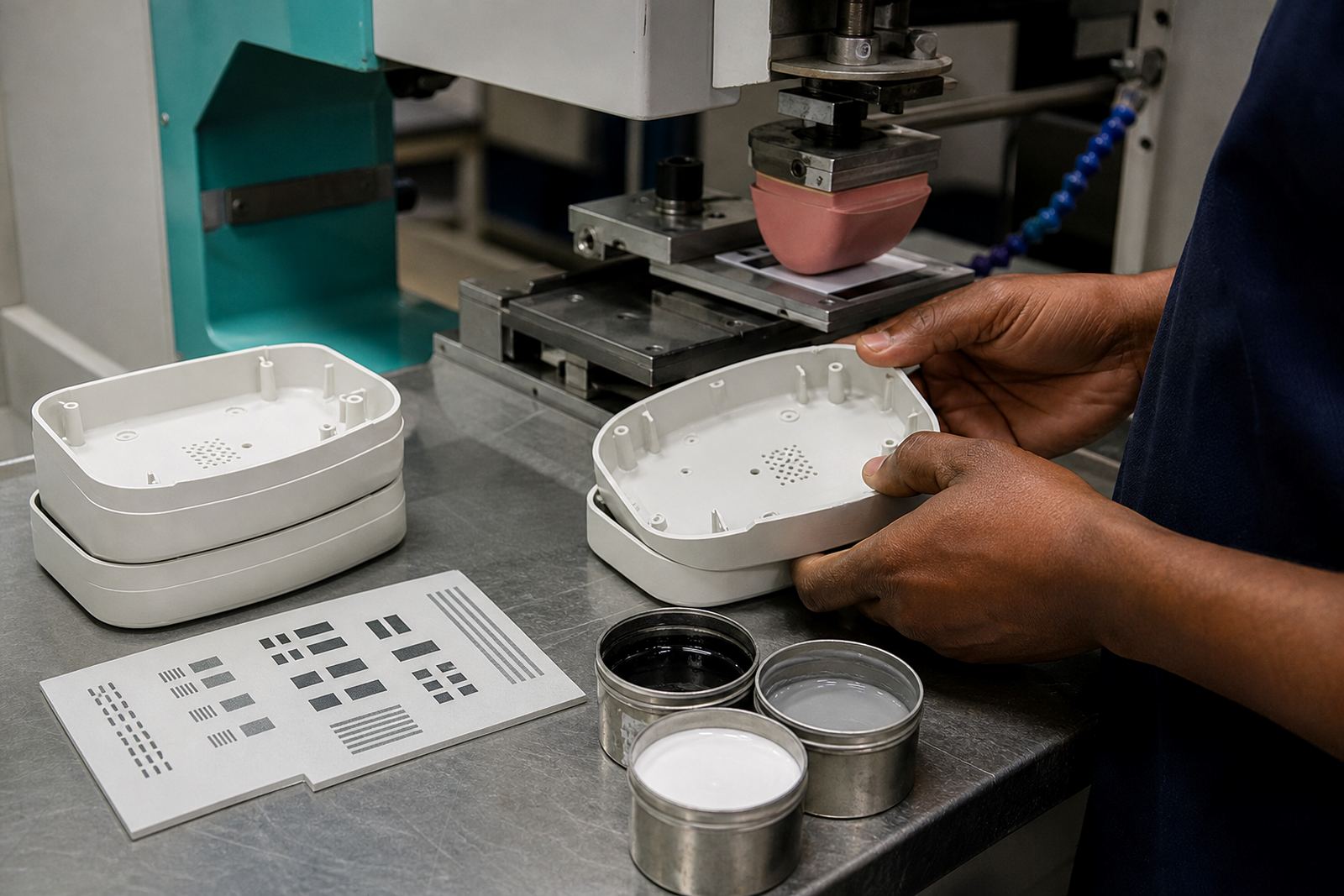
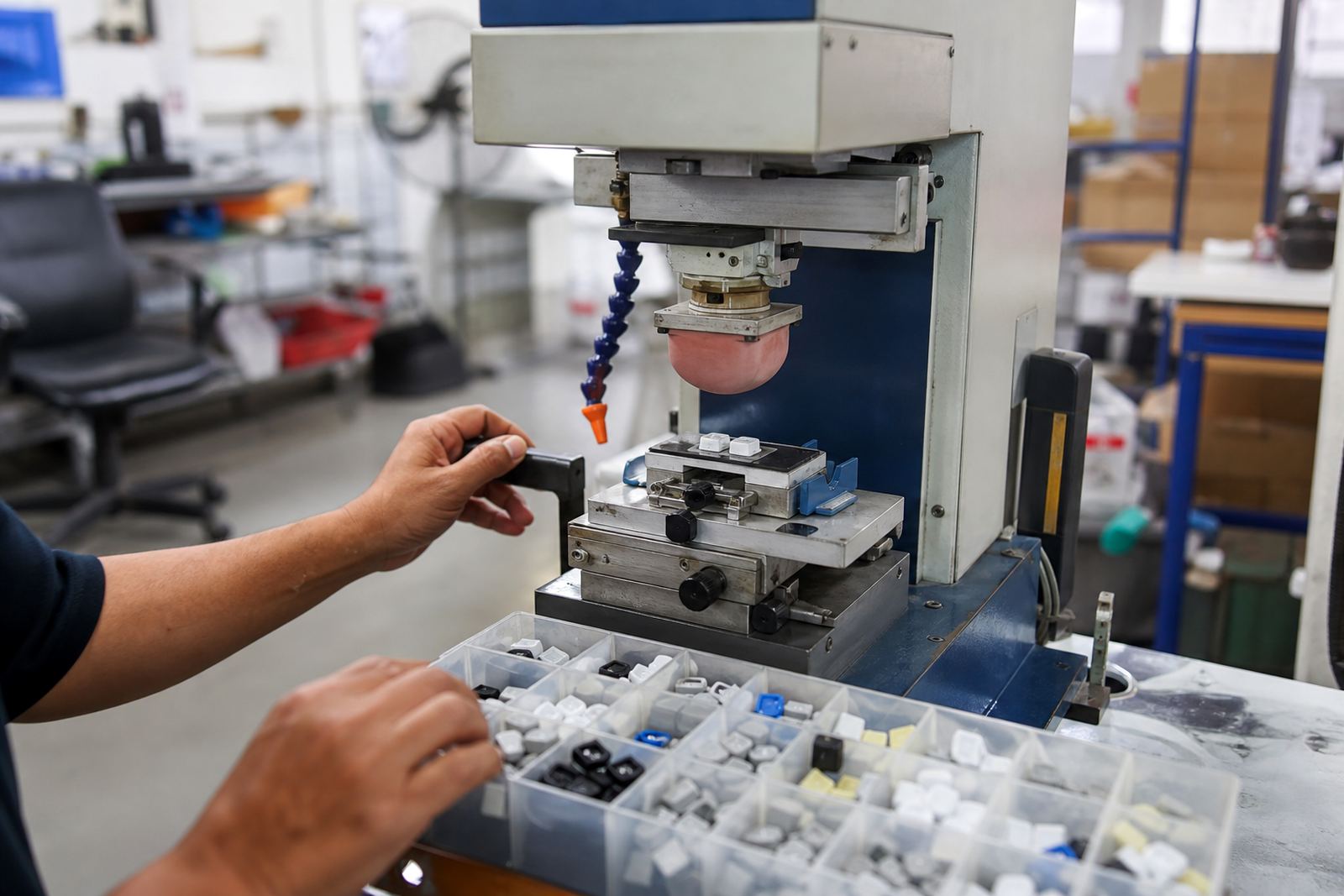
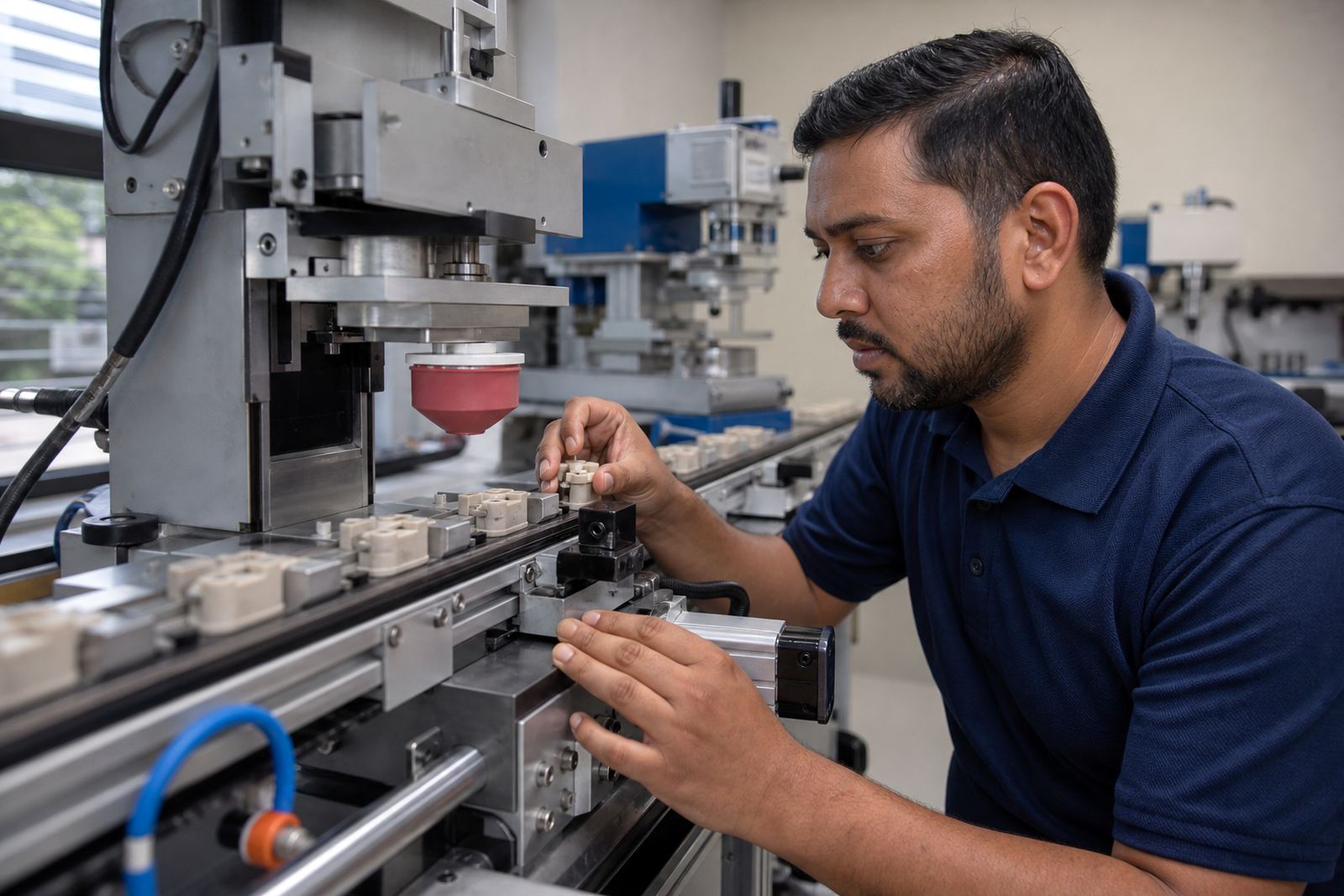
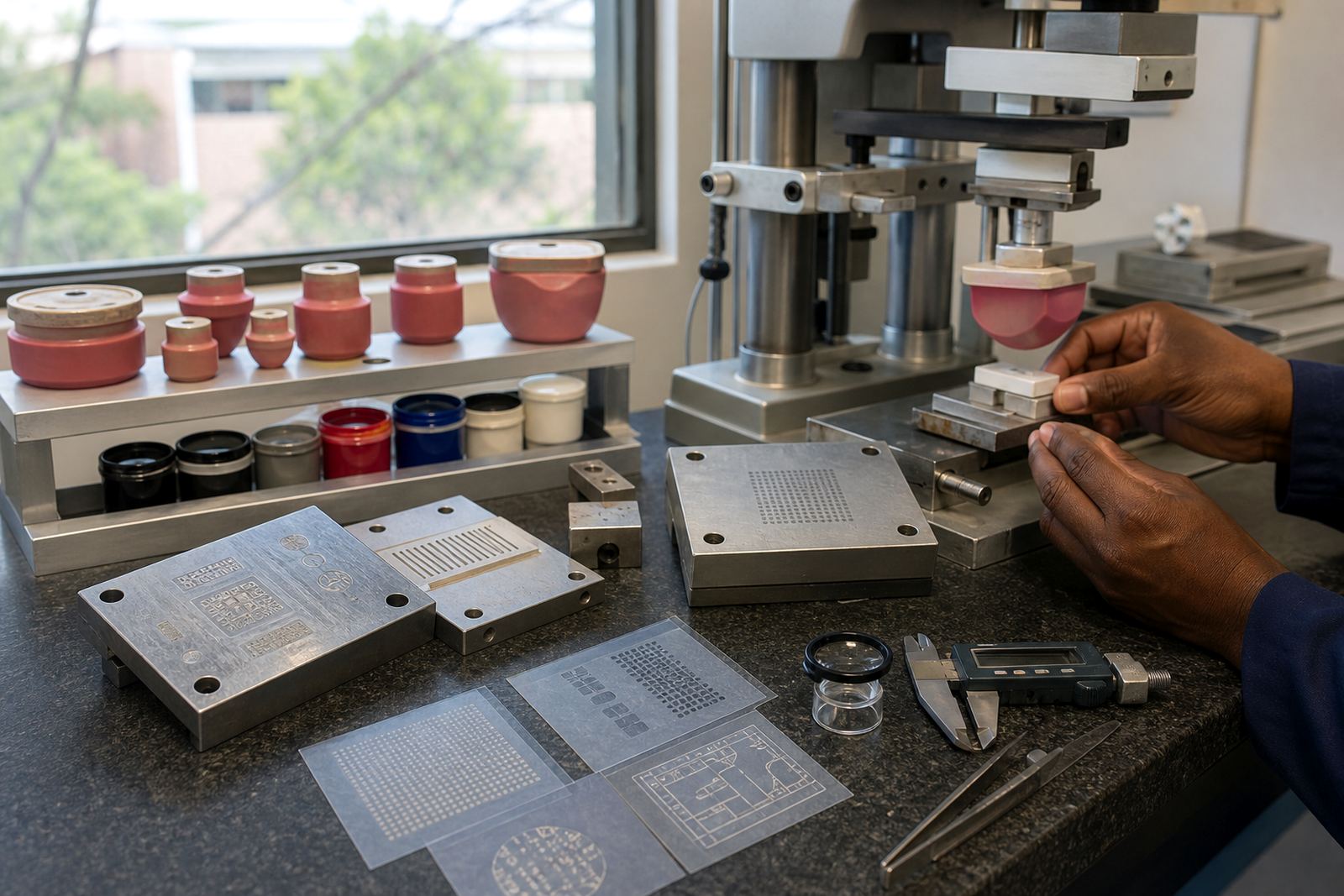
Pad printing transfers ink from an etched plate onto a part by means of a silicone pad. Because the pad can pick up detail from recessed artwork and press onto curved or uneven surfaces, it suits items such as housings, covers, knobs, buttons, connectors and small device parts. The mark can be one colour or several, depending on the part and the artwork.

Clear identification that stays legible during normal handling is the main aim for medical and electronic components. That can include part names, icons, operating marks, warnings, polarity indicators, scales or simple branding. The part material, texture and shape all affect how the image is set up, so we start with the component, not only the artwork.

How We Set Up a Job From Artwork to Print

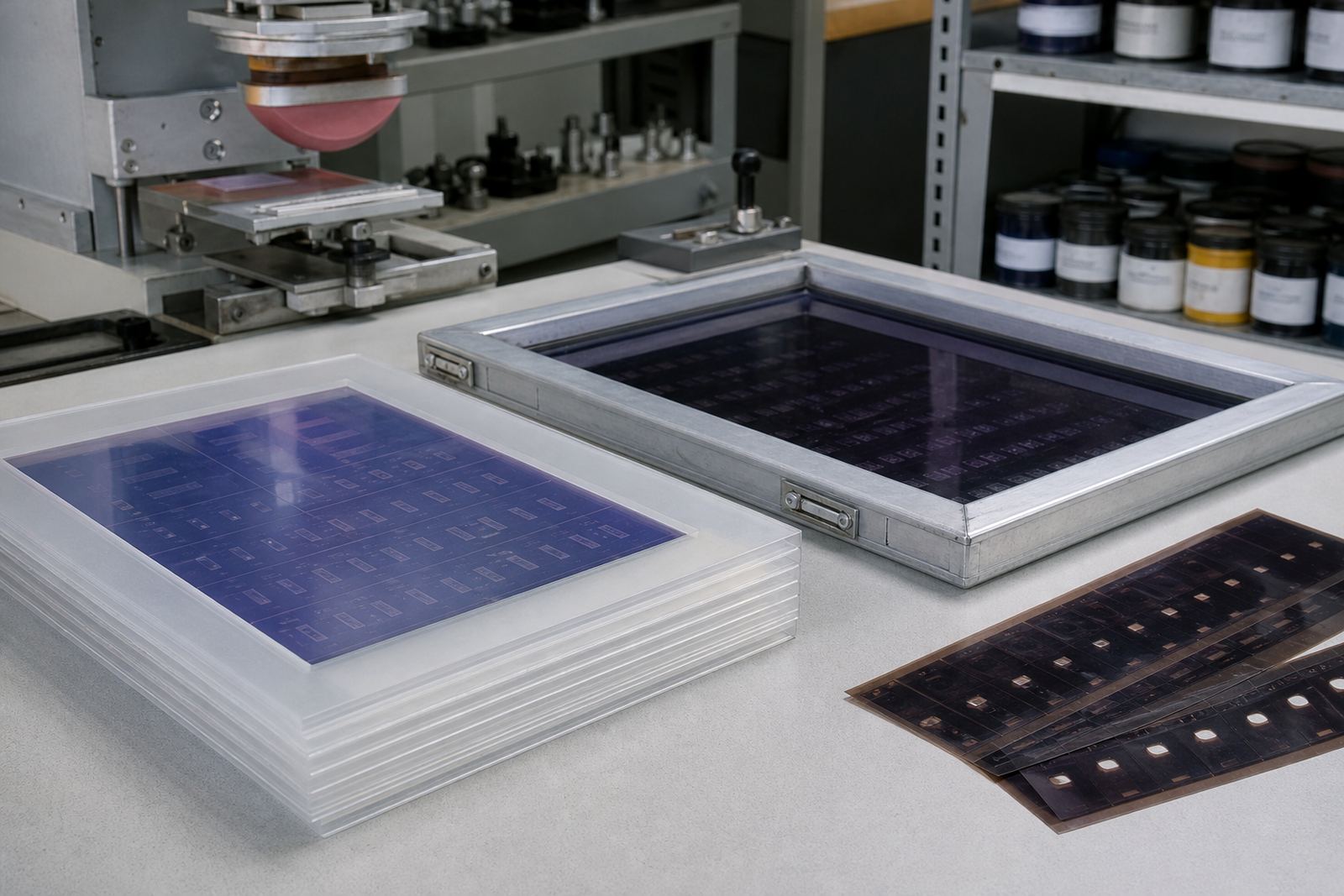
Good pad printing starts before the first impression. We check the artwork, the available print area and the way the part sits in the fixture, then prepare the plate and sample layout. If the supplied artwork needs redrawing or resizing, that is handled early so line weight and spacing suit the process.

  • Artwork preparation and logo redraws
  • Print area planning for small or curved parts
  • Plate exposure and plate etching for the image
  • Fixture making to hold the component in place
  • Trial sample runs before production release

This stage helps reduce rework later. A clean setup matters when parts are small, the surface is glossy, or the print must sit in a very specific position. It also makes rerun job control simpler when a customer needs the same mark repeated at a later date.

Pads, Inks and Adhesion on Different Materials

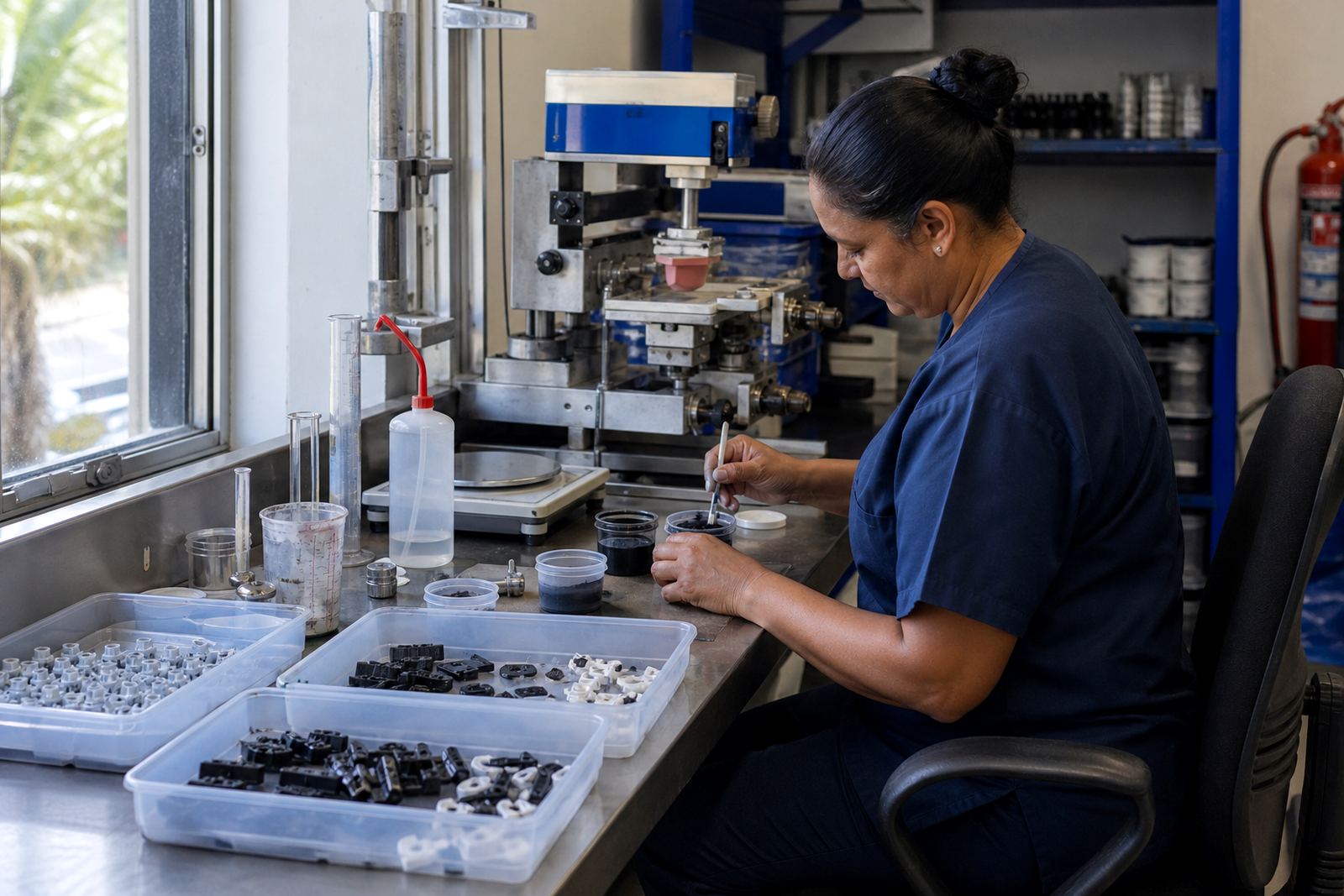
Different pads, inks and surface conditions affect how well a print transfers. Silicone pads come in different shapes and hardness levels, which changes how they release ink onto flat, curved or irregular parts. Ink choice depends on the substrate and the handling conditions the part will face after printing.

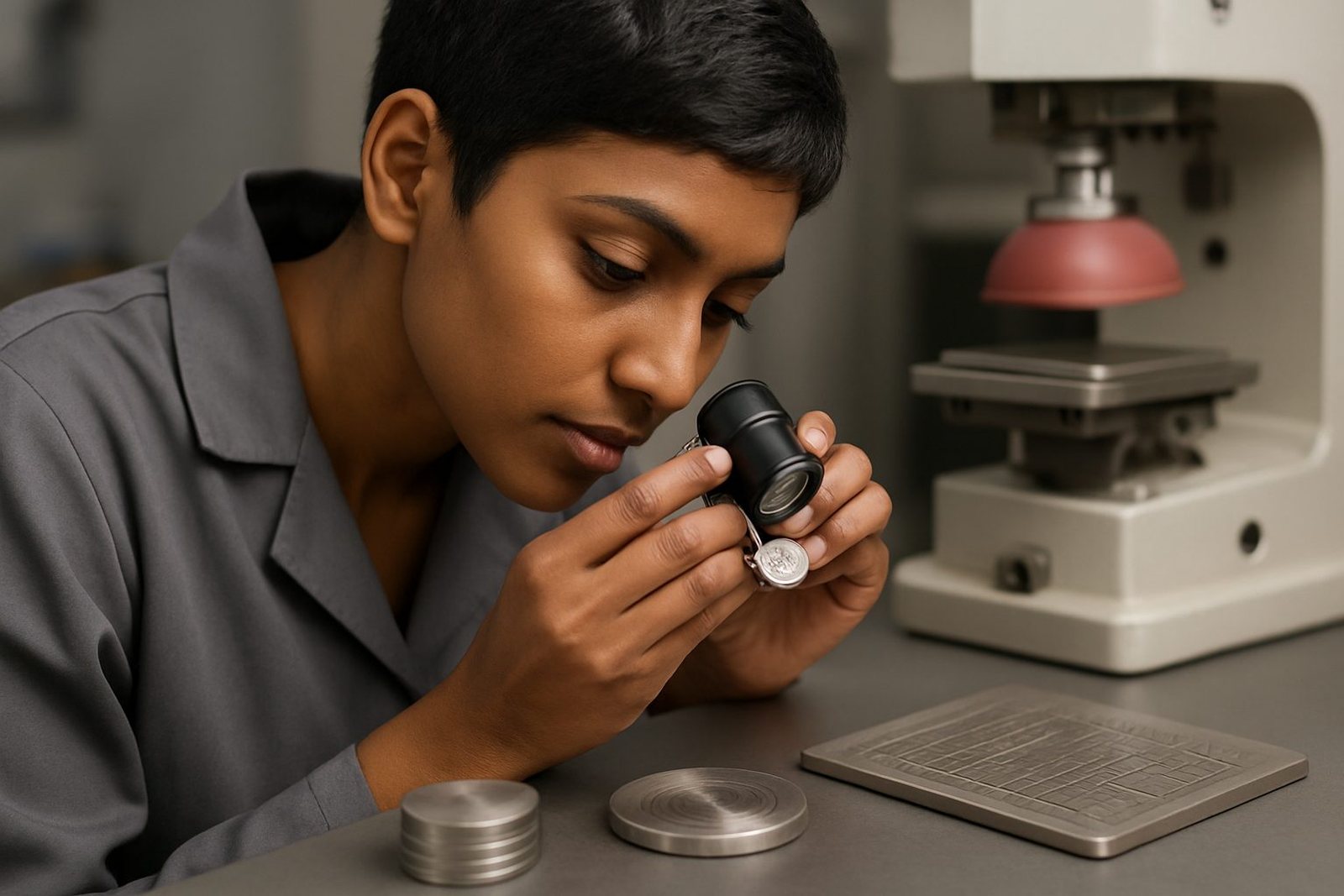
We also assist with adhesion test samples before a full job is released. This is important on plastics, coated parts and mixed materials where surface energy can vary. The customer remains responsible for final device compliance and product validation, but sample testing gives practical feedback on whether the mark is sitting and curing as expected.

  • Pad selection for shape and detail
  • Ink matching for colour and surface type
  • Adhesion test samples for early checking
  • Colour matching for repeat work

Curing Choices for Printed Medical and Electronic Parts

Curing affects how the ink hardens and how the print holds up in normal use. Depending on the ink system and the part, curing may be air drying, heat assisted or set by another controlled method. The right choice depends on the material, the production pace and whether the part can handle added heat.

On smaller electronic parts, heat control matters because some components cannot tolerate unnecessary stress. On medical parts, the goal is clean marking that remains readable without smudging during handling, packing and assembly. We select the curing method alongside the rest of the print setup, not as an afterthought.

Repeat Runs, Quality Control and Dispatch Packing

When a customer returns with the same part months later, consistency matters. We keep rerun job control in place so the approved sample, plate details and print settings are traceable for repeat work. That helps keep the mark in the same position and reduces variation between batches.

Lerato Mabunda oversees quality coordination, while the production team handles setup, sample release and packing for dispatch. Each batch is checked for print position, clarity and handling condition before it leaves Westmead. Where required, we also plan packing to suit the route, whether the job is going to Durban, Johannesburg, Cape Town, Pretoria or Gqeberha.

Choosing the Right Service for Your Component

Not every part needs the same level of support. Some jobs need only print placement and plate work, while others need full artwork preparation, colour matching and sample approval before production starts. If the component shape is awkward or the surface is sensitive, fixture making and trial runs become more important.

Our service areas include Pinetown Printing Support, Durban Manufacturers, Johannesburg Supply, Pretoria Supply, Cape Town Supply, Gqeberha Supply, New Germany Support and Westville Support. For a pad printing run, write to PadPrinters through the contact page form with your part, artwork and run size, and from there we work through the steps needed for the part and the print specification.

  • For first-time parts, start with artwork and sample planning
  • For repeat jobs, use rerun control to keep the same setup
  • For tricky materials, request adhesion testing and curing advice
  • For production batches, allow time for fixtures, plates and trial runs

Pad printing questions

What kinds of parts suit pad printing?

Pad printing suits small to medium components with flat, curved or uneven surfaces. It is commonly used on medical and electronic parts such as housings, covers, buttons, switches, connectors and control pieces.

Do you help with artwork before printing?

Yes. We handle artwork preparation, logo redraws and print area planning so the image is suited to the part and the chosen pad printing process.

Can you assist with sample approval before a full run?

Yes. We can produce adhesion test samples and trial sample runs before production is released, which helps confirm placement, clarity and curing on the actual component.

Have a part to mark? Send it to the print room.

Contact form