

Why artwork control matters before the first print
Pad printing on medical and electronic parts depends on fine detail, controlled ink transfer and repeatable positioning. A logo, marking or reference code may look simple on screen, but once it is reduced to a small curved or textured surface, the artwork has to be prepared for the actual part size, ink behaviour and curing method.
At our Westmead, Pinetown base we support manufacturers across Durban, Johannesburg, Cape Town, Pretoria and Gqeberha with artwork preparation that suits real production conditions. That includes line cleanup, text redrawing, print area planning and checking whether the mark will hold on the material being used. If the part has a tight radius, recessed area or a moulded finish, the setup has to allow for that from the start.
How we prepare artwork for pad printing
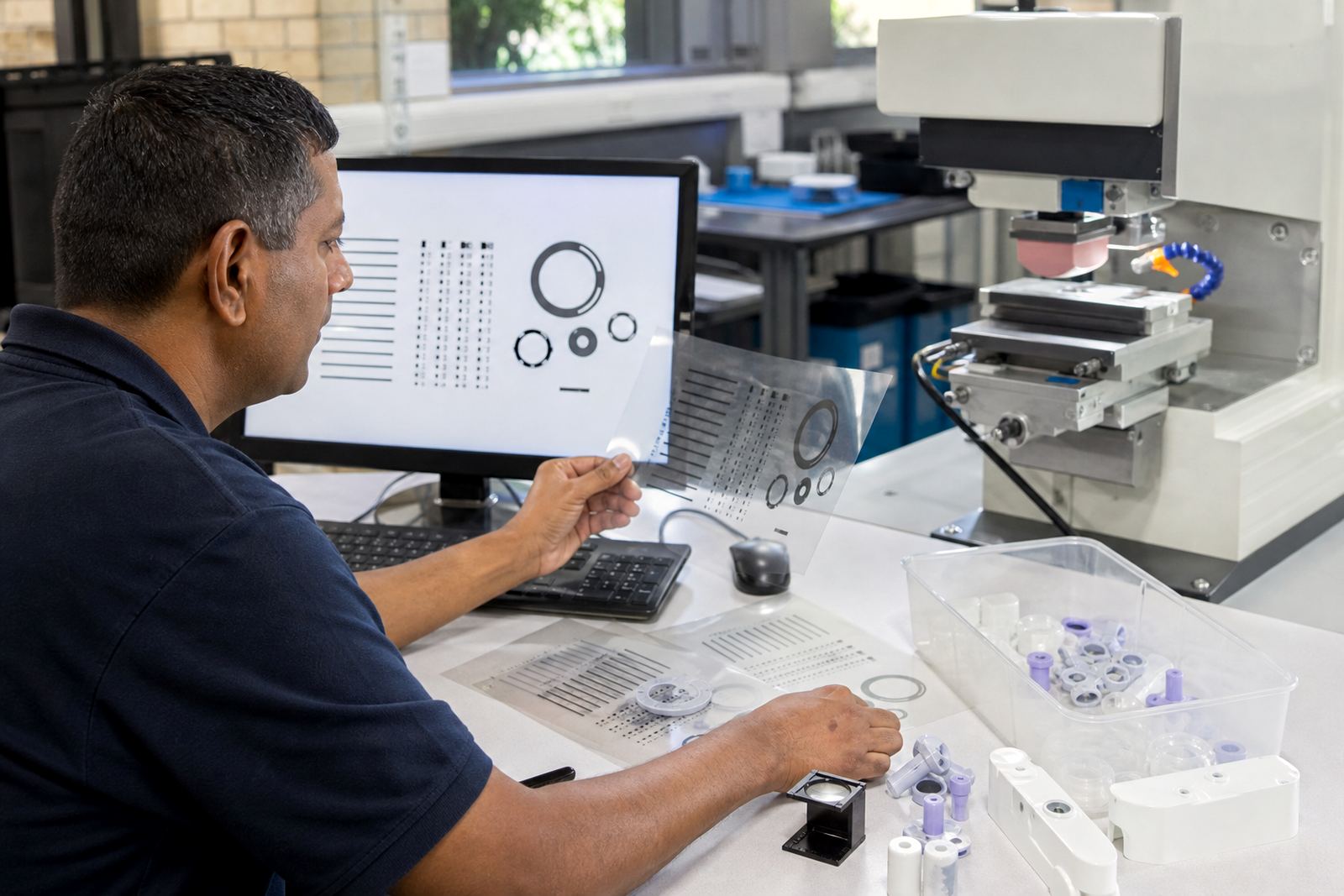
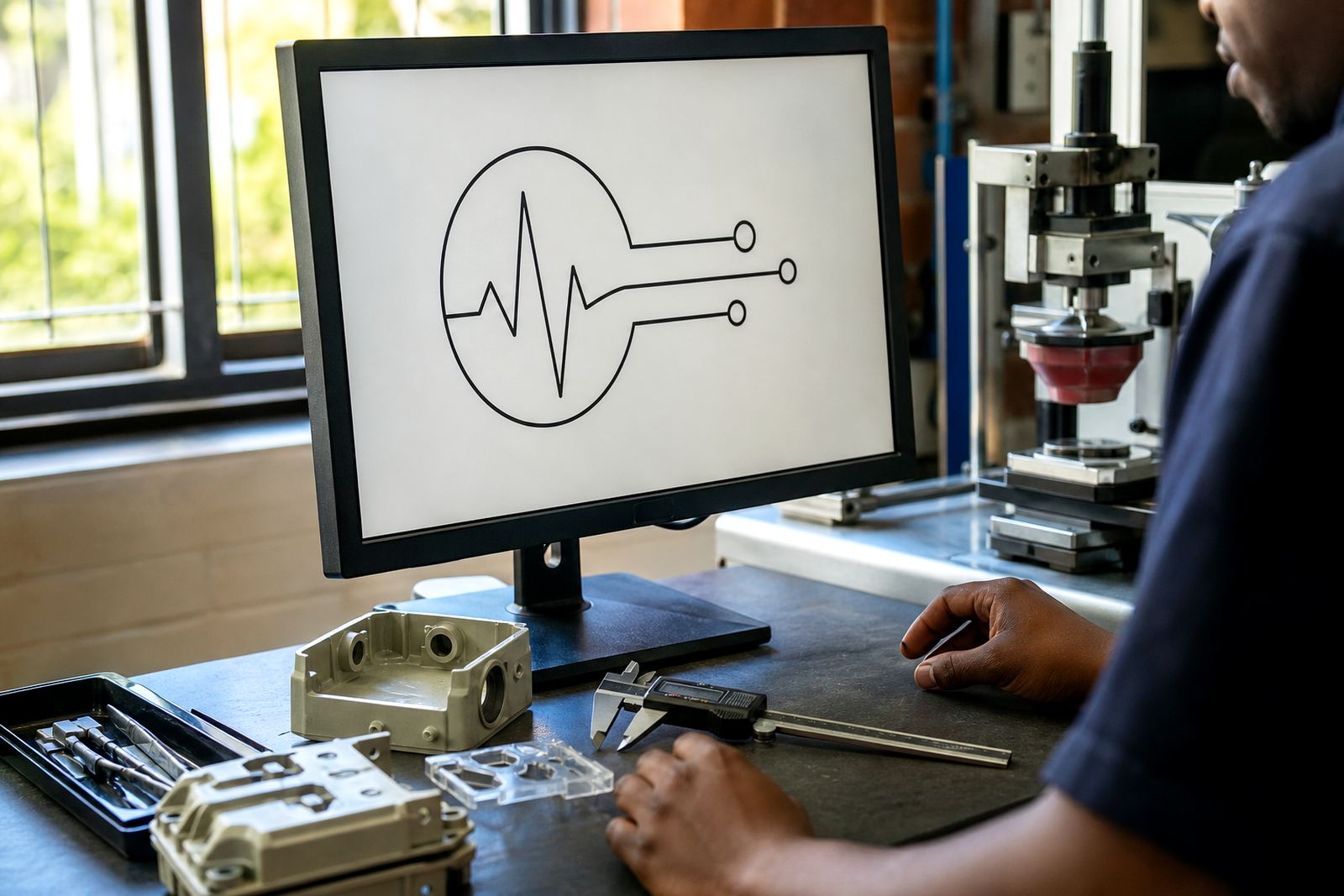
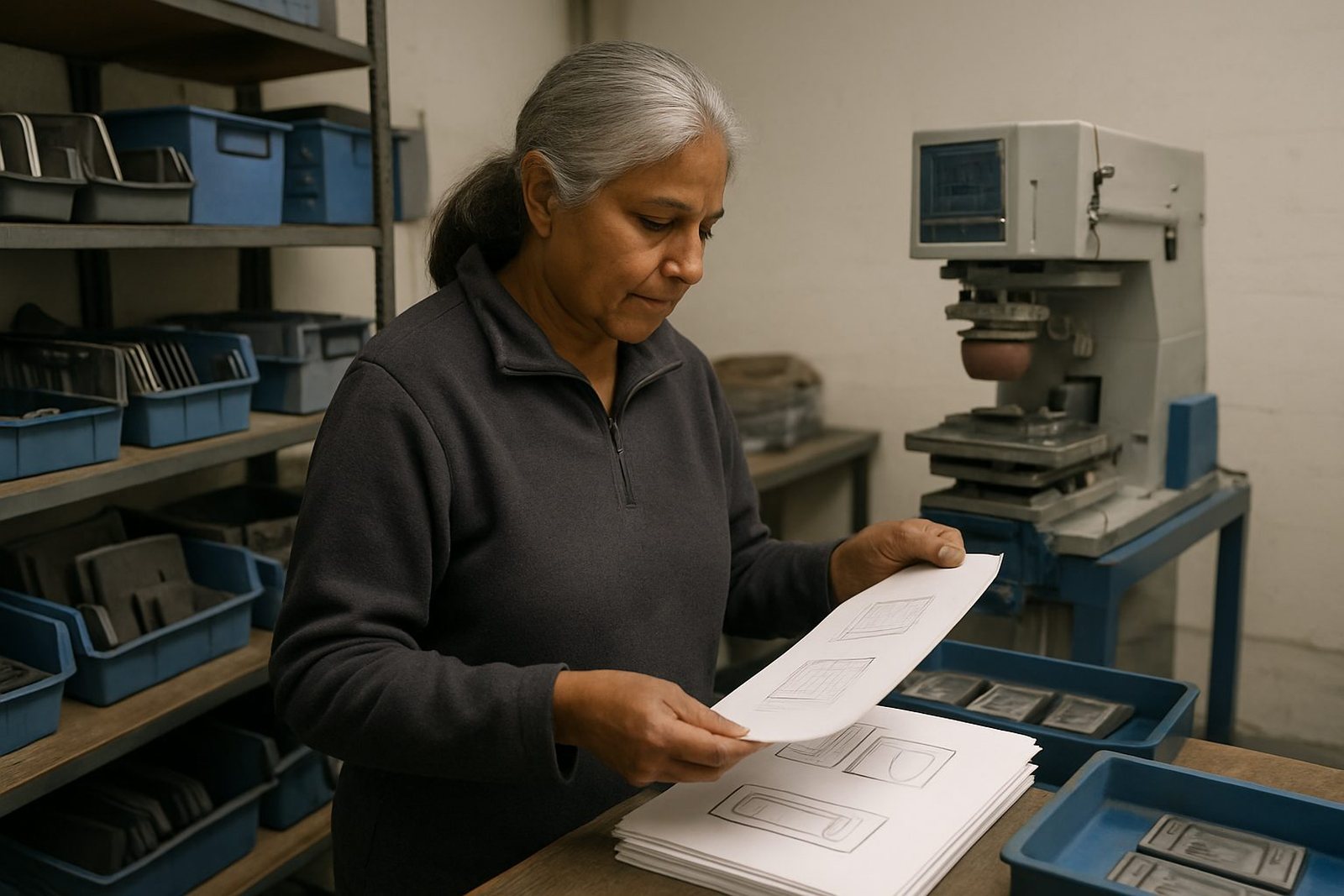
Artwork for pad printing is rarely taken straight from a brochure file. Small text, icons and device marks often need adjustment so they print legibly after transfer from the etched plate to the silicone pad and onto the component. We review the artwork for size, contrast and the amount of detail that will still hold after the print stroke.
- Logo redraws for cleaner edges and tighter shapes
- Print area planning for flat, curved or recessed parts
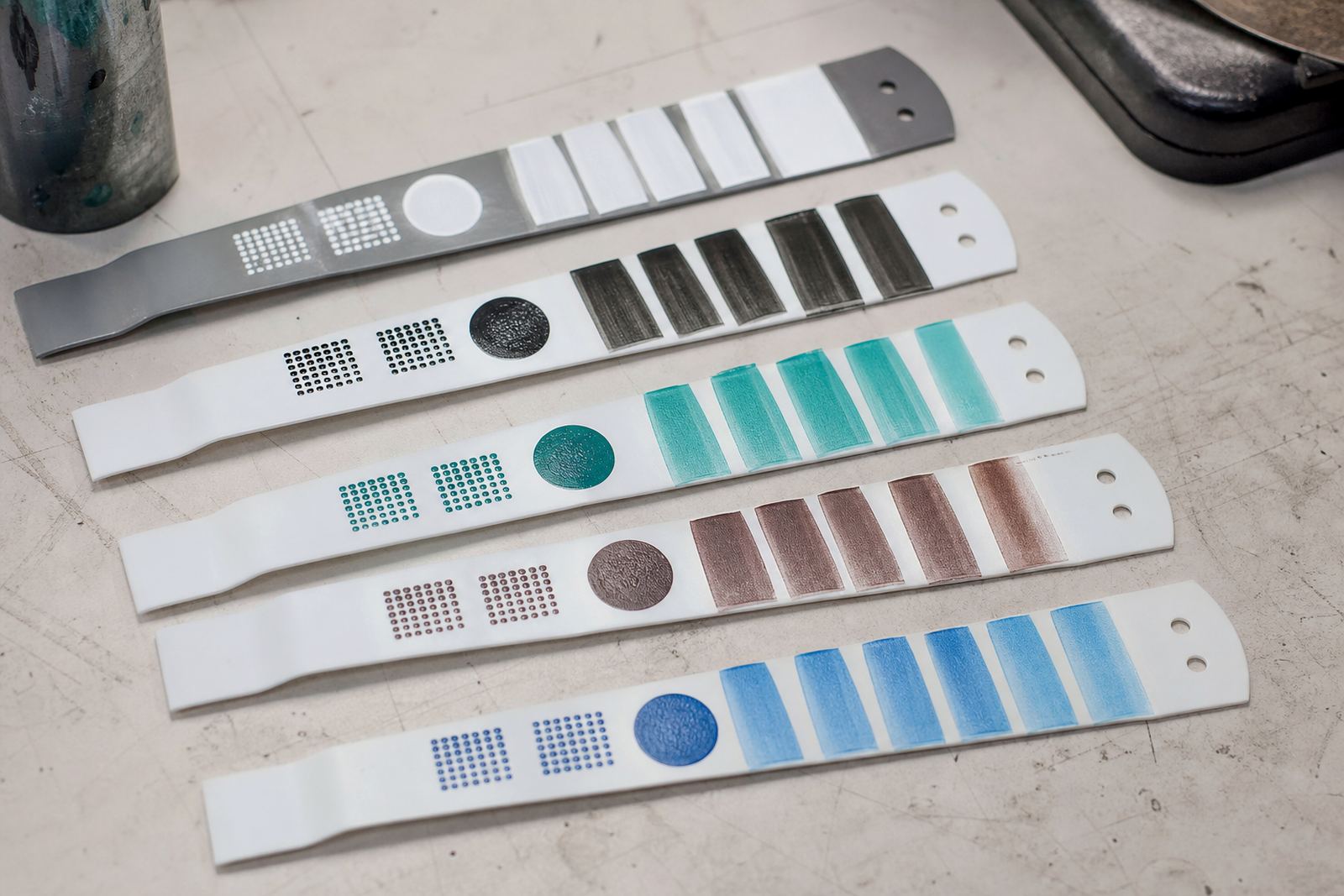
- Colour matching for consistent batch marking
- Artwork cleanup for small text, symbols and product codes
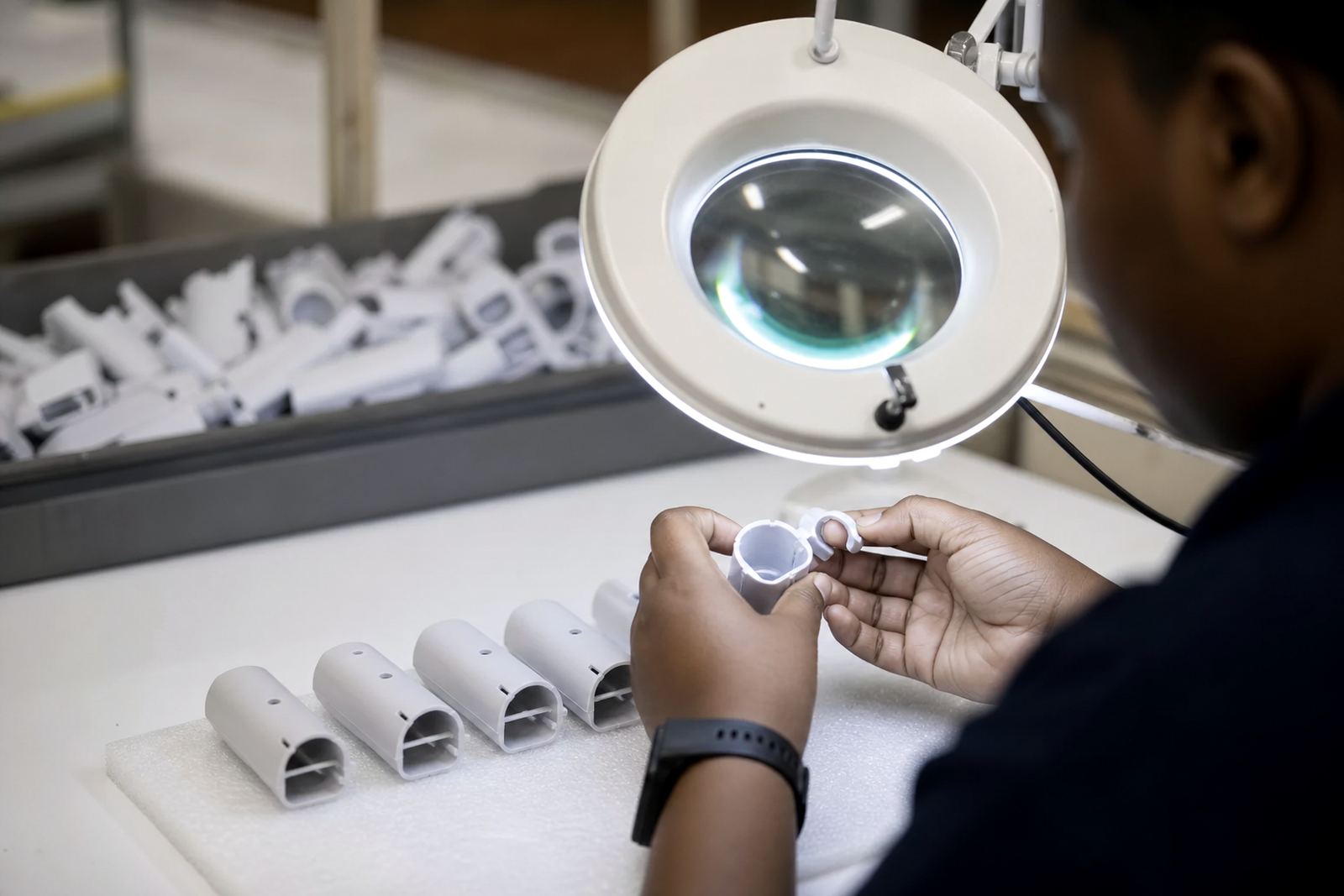
Clarity is critical on medical and electronic parts because the mark may be used for identification, traceability or assembly support. Customers remain responsible for their own device compliance, so our role is to help produce a controlled and repeatable mark, not to decide regulatory suitability.
Plate preparation, exposure and etching
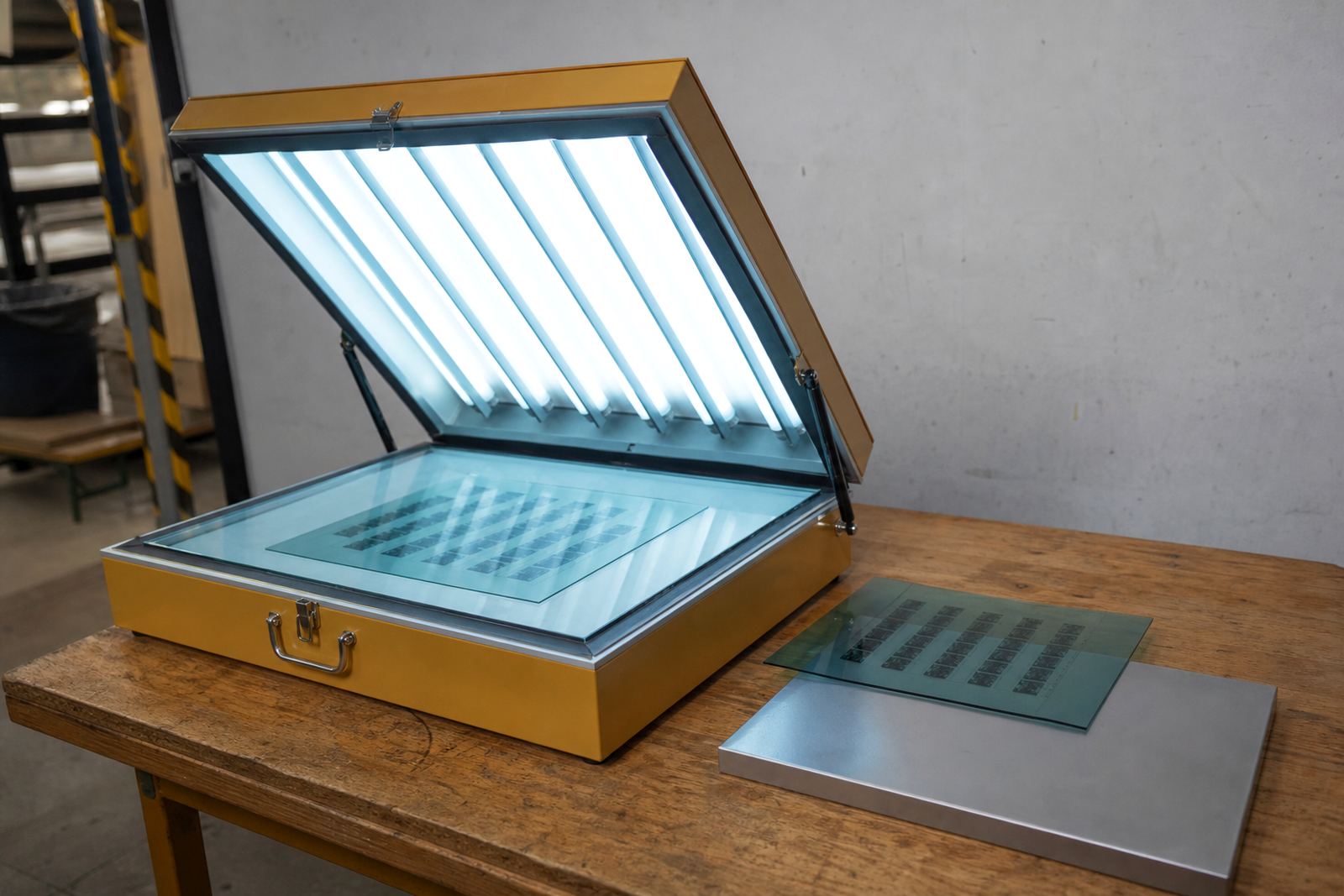
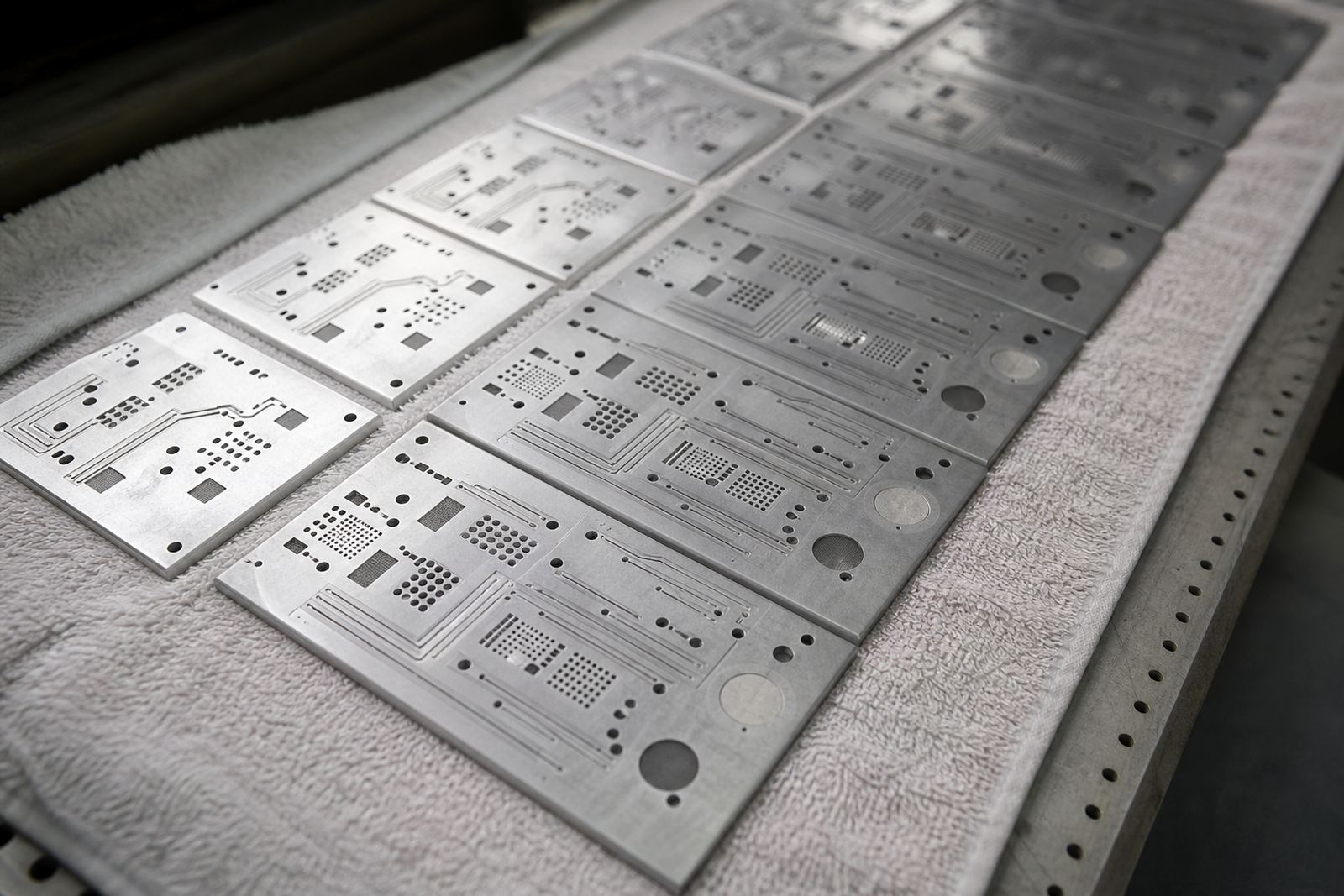
The plate carries the image that the silicone pad picks up before it is transferred to the part. If the plate is not prepared well, the print can fill in, lose detail or shift from one run to the next. We handle plate exposure and plate etching with the final component in mind, not just the artwork file.
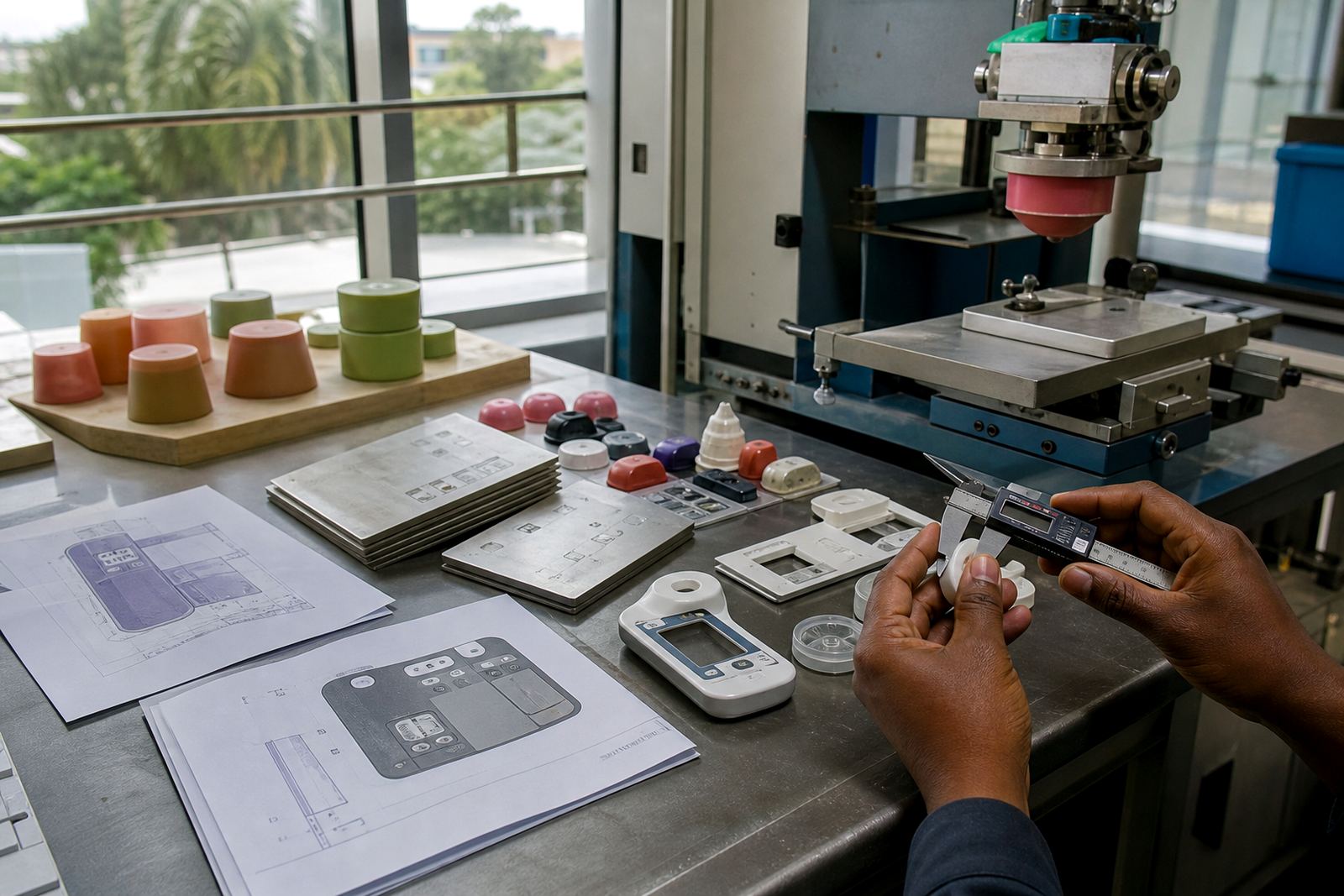
Good plate setup also helps when parts are sensitive to handling or need a very specific placement. On smaller components a few tenths of a millimetre can matter, especially where the mark sits near a connector, button, port or mould line.
- Plate exposure suited to the required detail level
- Etching depth checked for ink hold and release
- Repeat setup support for rerun jobs
- Trial plates where the part or artwork needs proving first
Fixtures and print area planning for awkward parts
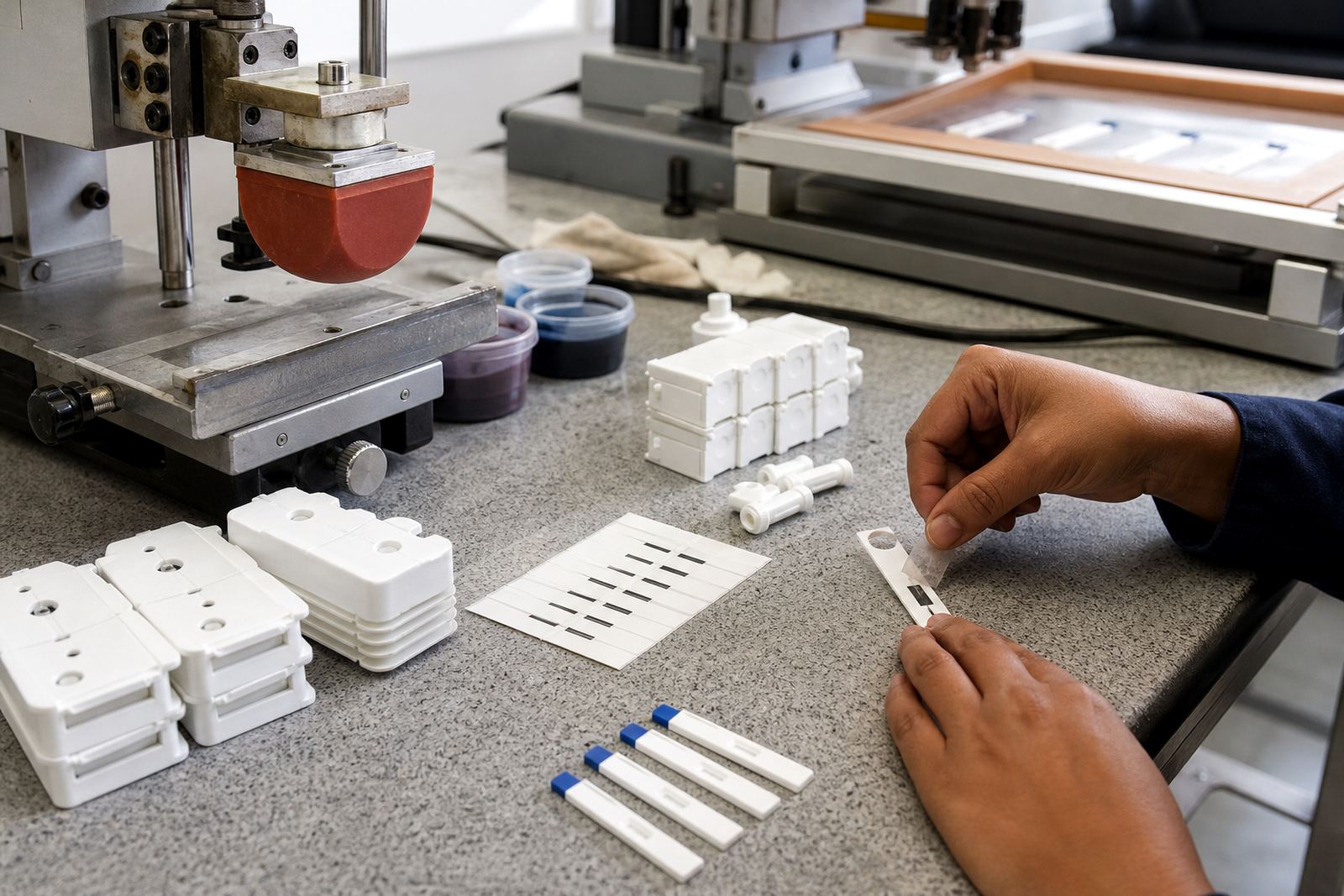
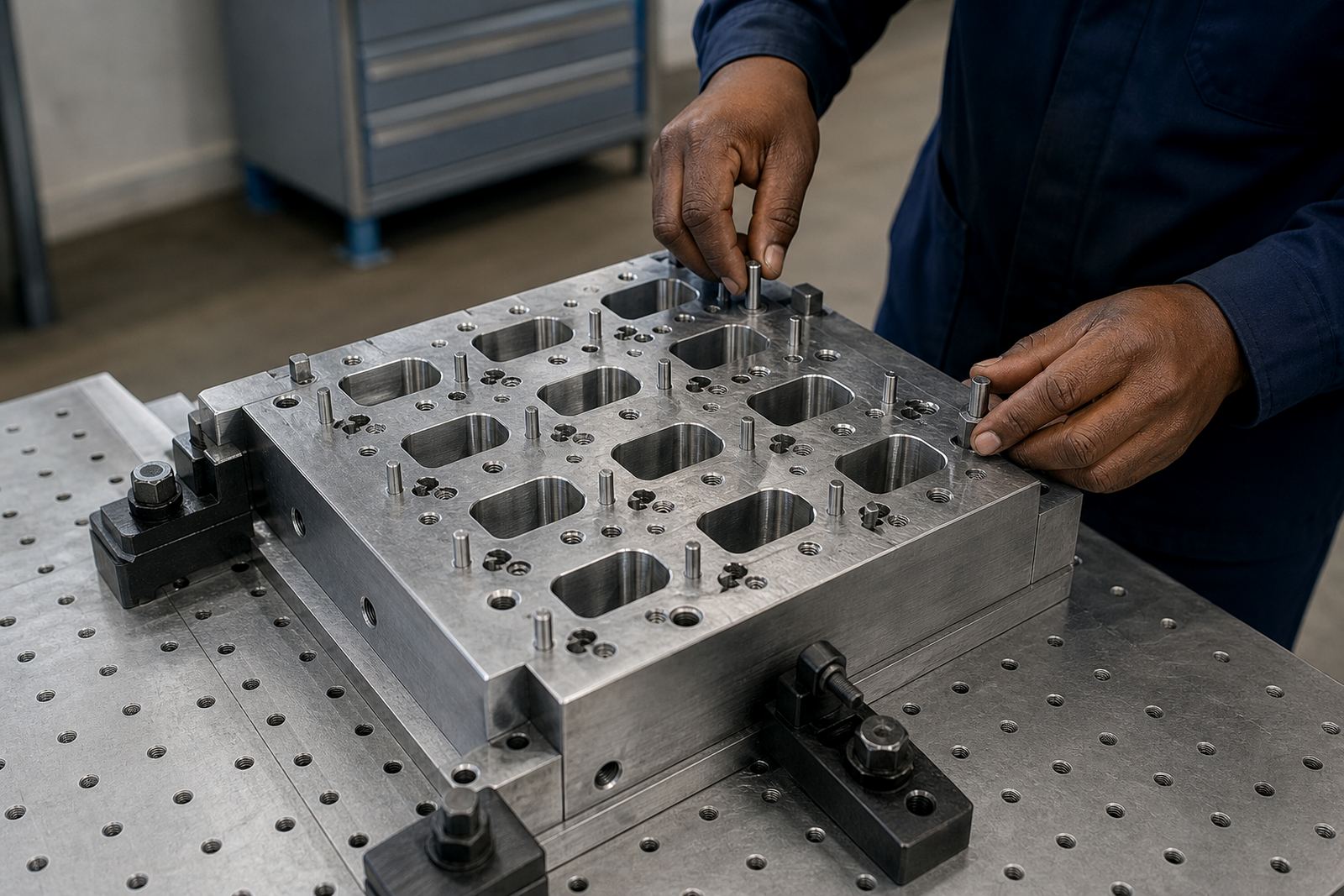
Many medical and electronic components are not easy to hold by hand during printing. Fixtures help keep the part in the correct position so the print lands where it should. We make fixtures for items that are small, oddly shaped or prone to movement during setup.
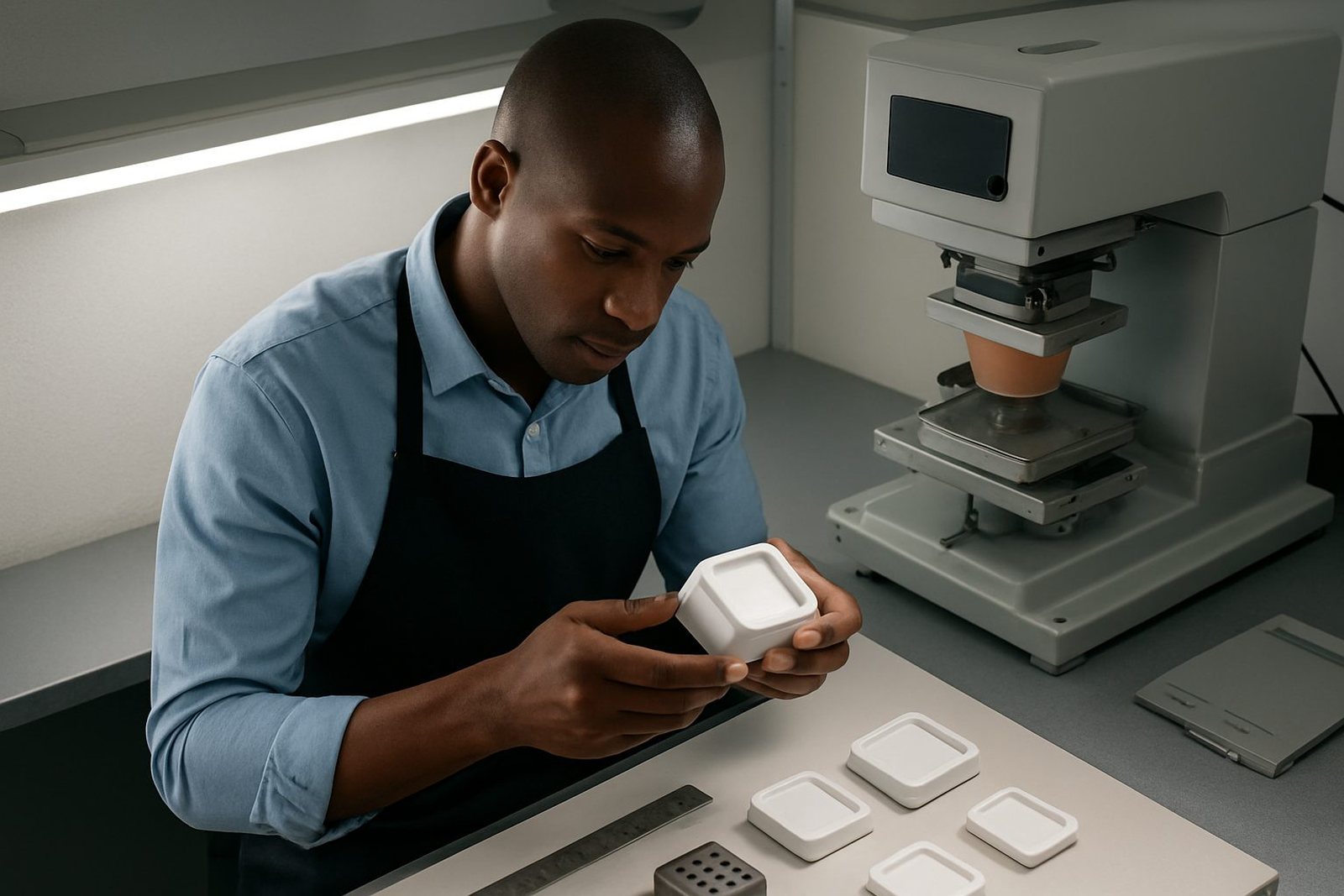
Print area planning is part of that same process. The mark must sit where it can be seen and used, while avoiding screw bosses, seams, vents and contact points. On plastic housings, buttons, casings and medical accessories, the wrong position can lead to wasted parts and rework. A careful setup saves time, and reduces handling errors too.
Trial runs, adhesion checks and curing choice
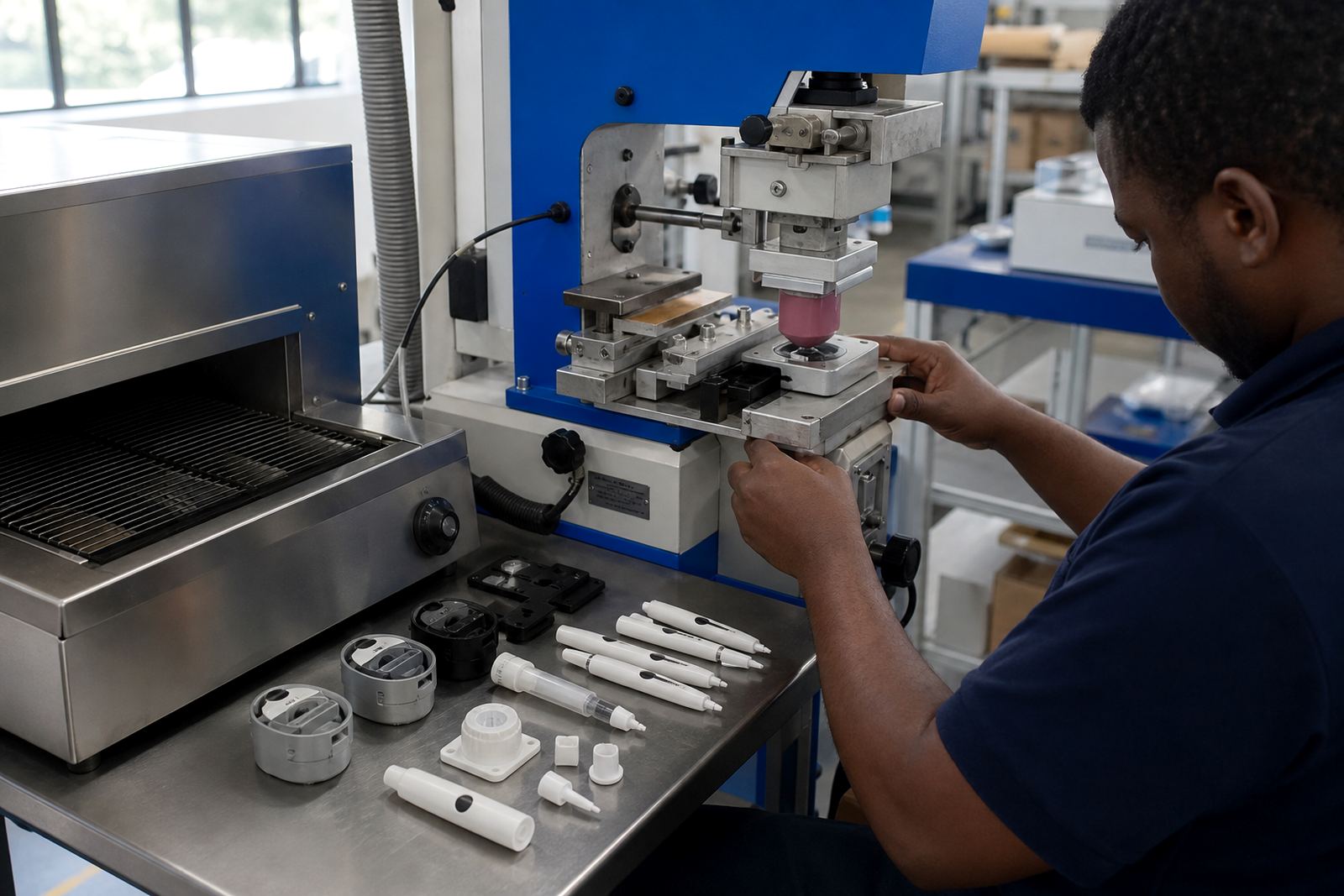
Before full production, we can run adhesion test samples and trial sample runs to check how the ink behaves on the actual material. Different plastics, coated surfaces and metal parts can need different inks or curing methods. Some jobs need air drying, others need heat curing or a controlled process that suits the production line.
That is why curing method selection is part of setup and not an afterthought. We look at drying time, handling strength and how the part will be packed or moved after printing.
Rerun control and packing for production support
Once a job has been approved, rerun job control helps keep future batches aligned with the original setup. This is useful when a manufacturer needs the same mark months later and wants the print to match existing stock. We keep the practical details together so the next run starts from a known point.
Dispatch packing is also part of setup support because printed parts need to arrive clean and ready for the next step. That may mean separating items to avoid rubbing, protecting fresh ink, or packing so the parts can move safely between the print room and assembly area.
Who you speak to from Pinetown
Sibusiso Naicker leads the business as Managing Director, with Naledi Kekana in production, Sanjay Dookhi handling artwork and plates, Lerato Mabunda coordinating quality, Yashika Sewpersad on client services and Mfundo Xaba on machine setup.
Clients contact us through the quote form on our contact page and we support manufacturers from Pinetown, Westville, New Germany and across South Africa. For artwork and setup work, the best approach is to send the part details, the required mark and any production concerns early so we can plan the job properly from the start.