
What Dial Face Printing Is Used For
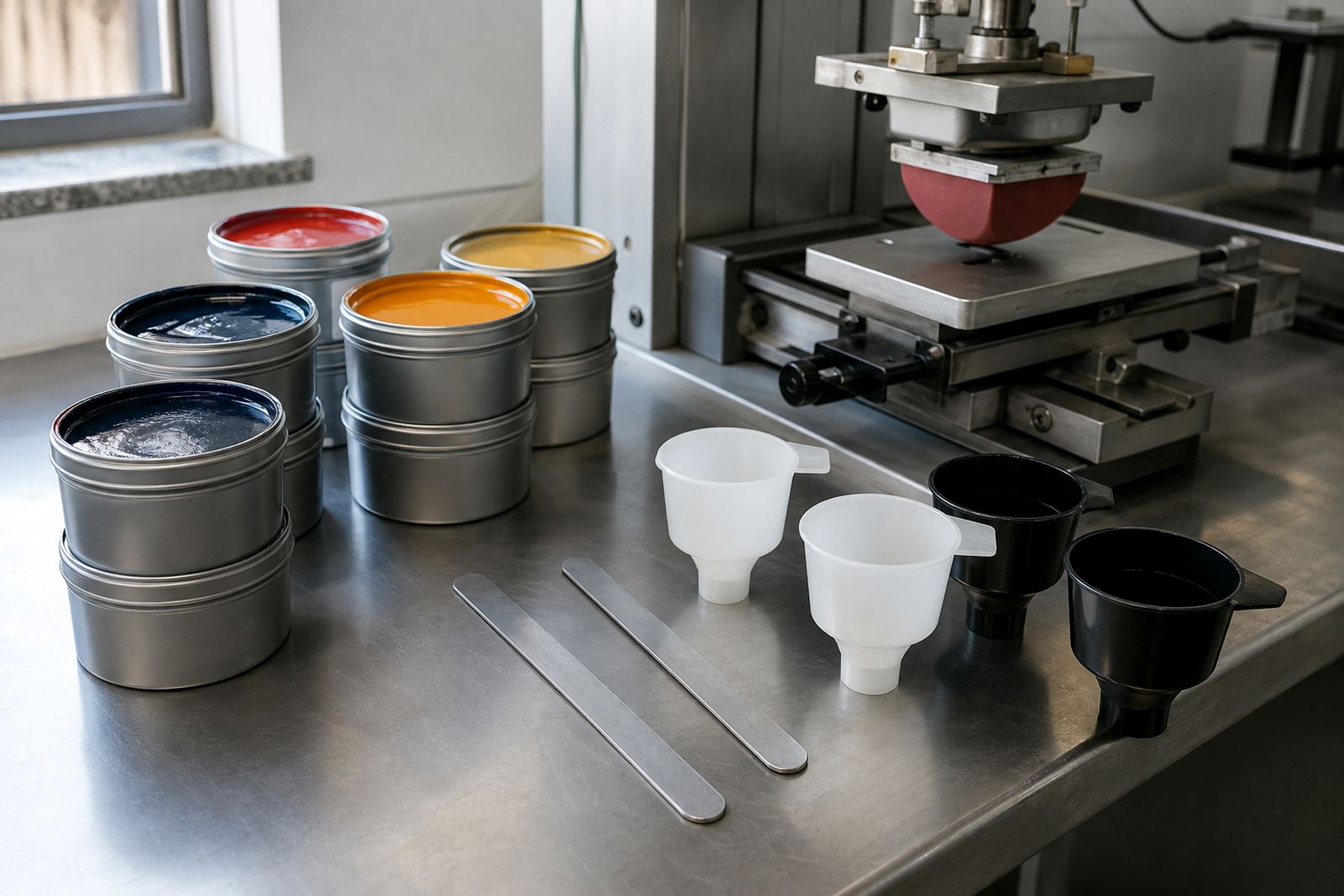
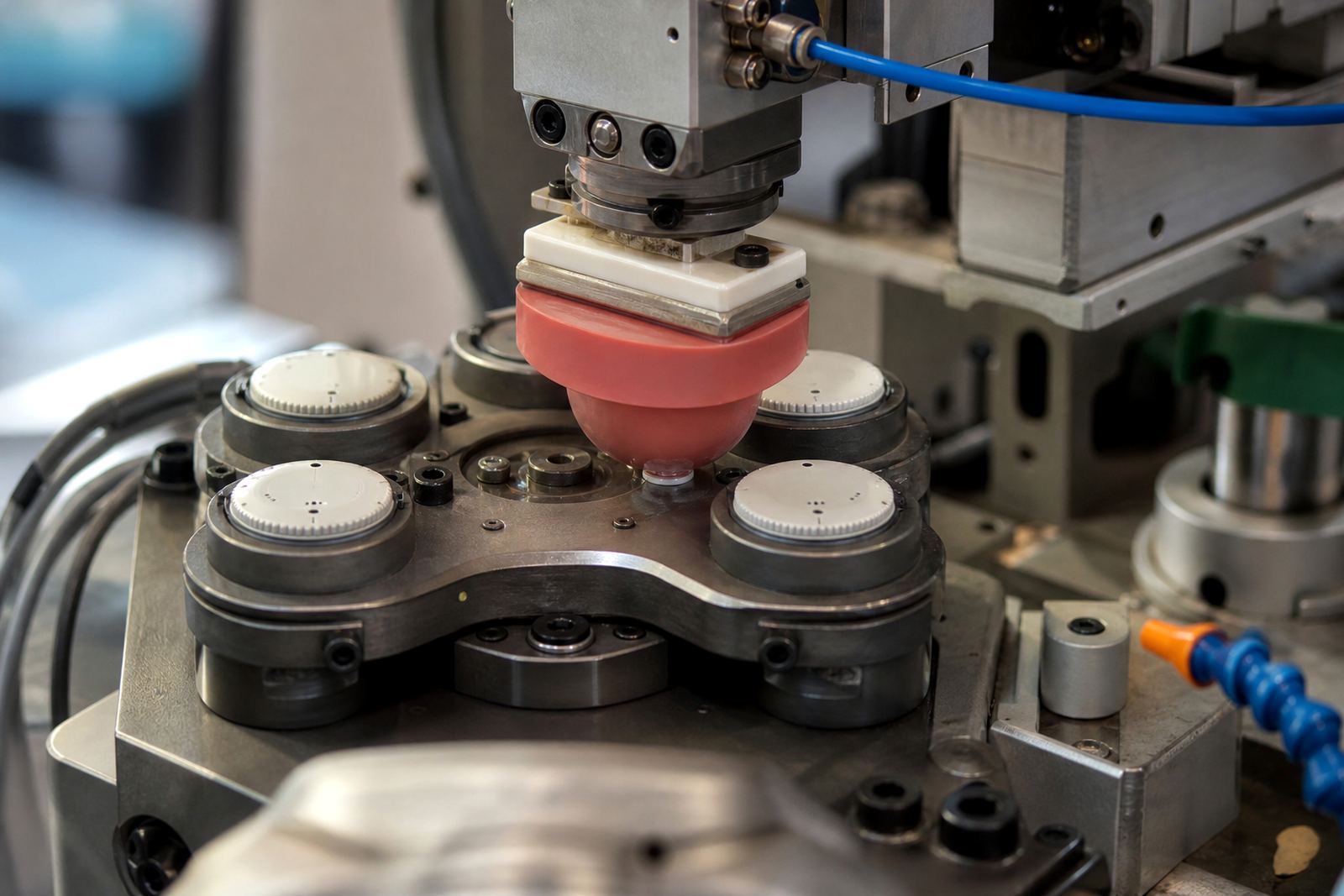
Dial face printing places fine markings on round or curved components where screen printing or labels may not sit neatly. A silicone pad lifts ink from an etched plate and transfers it onto the part, which helps with small text, numbered rings, arrows, windows and status marks on plastic, coated metal and other prepared surfaces.
Clear identification and repeatable placement are the aim on medical and electronic parts. That can include selector dials, control bezels, instrument caps, rotary knobs and front-panel rings. The print is usually sealed or cured after transfer so it can stand up to handling, light cleaning and normal workshop use. The customer remains responsible for confirming the marking meets their own device compliance requirements.
Sizes, Layouts and Print Options
Dial faces are rarely one-size-fits-all. We work from the part geometry, the visible print band and the final assembly position so the graphic sits square to the user. Small changes in hole position, rim depth or legend spacing can affect the finished result, so artwork checks are done before production starts.
- Print areas from tiny indicator marks to larger circular legends
- Single colour or multi-step printing where the part allows it
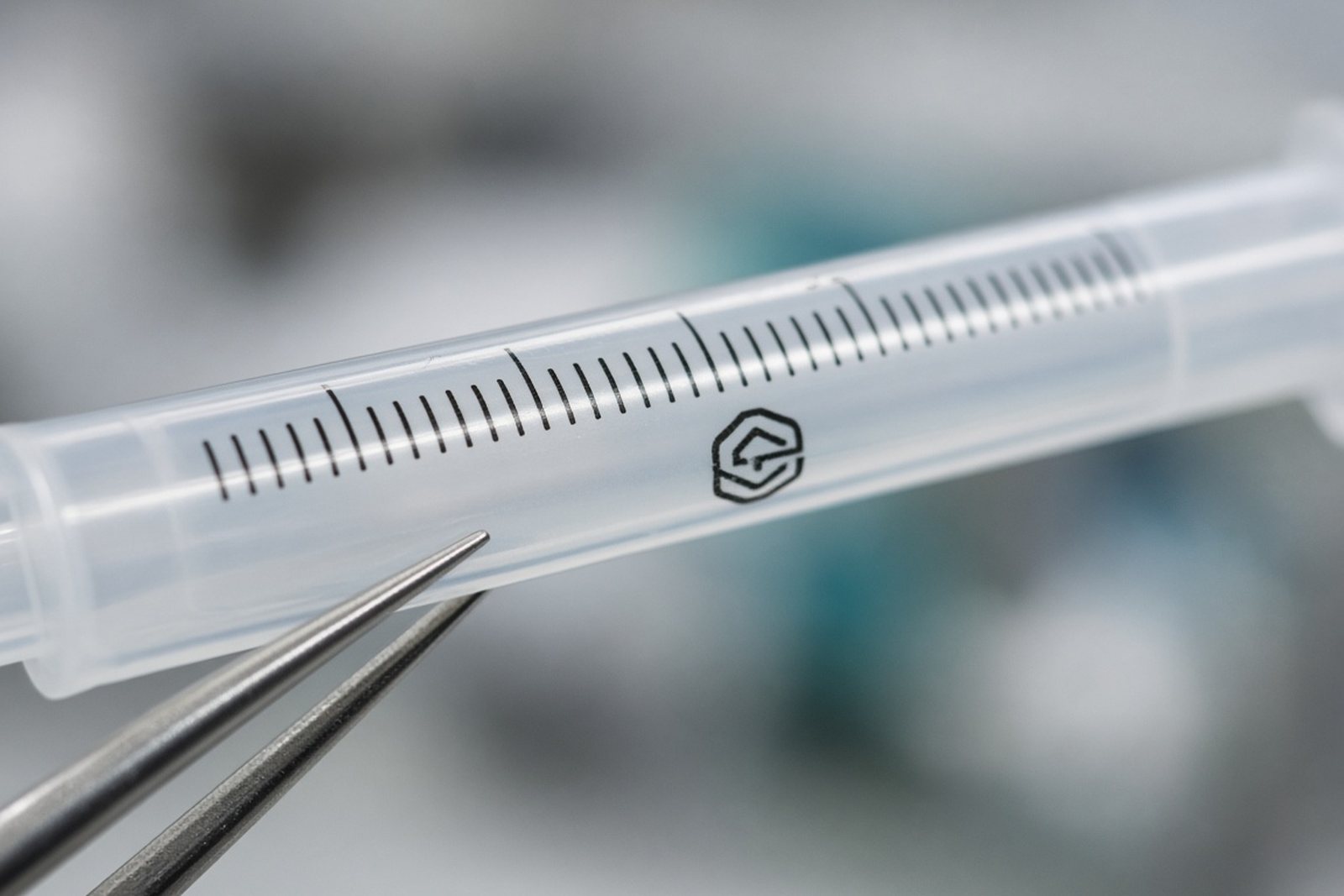
- Fine numbering, arrows, index marks and small text
- Matte, gloss or clear-overprinted finishes depending on material
- Sample runs for first articles and rerun job control for follow-up jobs
Where needed, we can also help with logo redraws, colour matching and fixture making so the part locates the same way each time. That matters for batches with mixed cavities or when a dial face has to align with another printed panel nearby. It saves rework later on.
Where Dial Face Printing Suits Best
This service suits manufacturers that need crisp circular graphics on components used in medical devices, lab equipment, control systems and electronic assemblies. Typical items include rotary selectors, thermostat-type controls, front caps, instrument rings, control knobs and marked bezels. It also suits smaller production runs where labels would lift or rub off too quickly.
Pad printing is useful on parts with slight curves, recesses or a narrow face where other methods struggle. It is often chosen for plastic mouldings, coated parts and prepared metal components after proper surface testing. In coastal conditions around Durban and the wider KZN area, we pay close attention to adhesion and drying because humidity can change how ink behaves from one shift to the next.
- Medical and laboratory control parts
- Electronic panels, knobs and indicator caps
- Rotary components with a visible outer ring
- Short-run or repeat production with fixed artwork
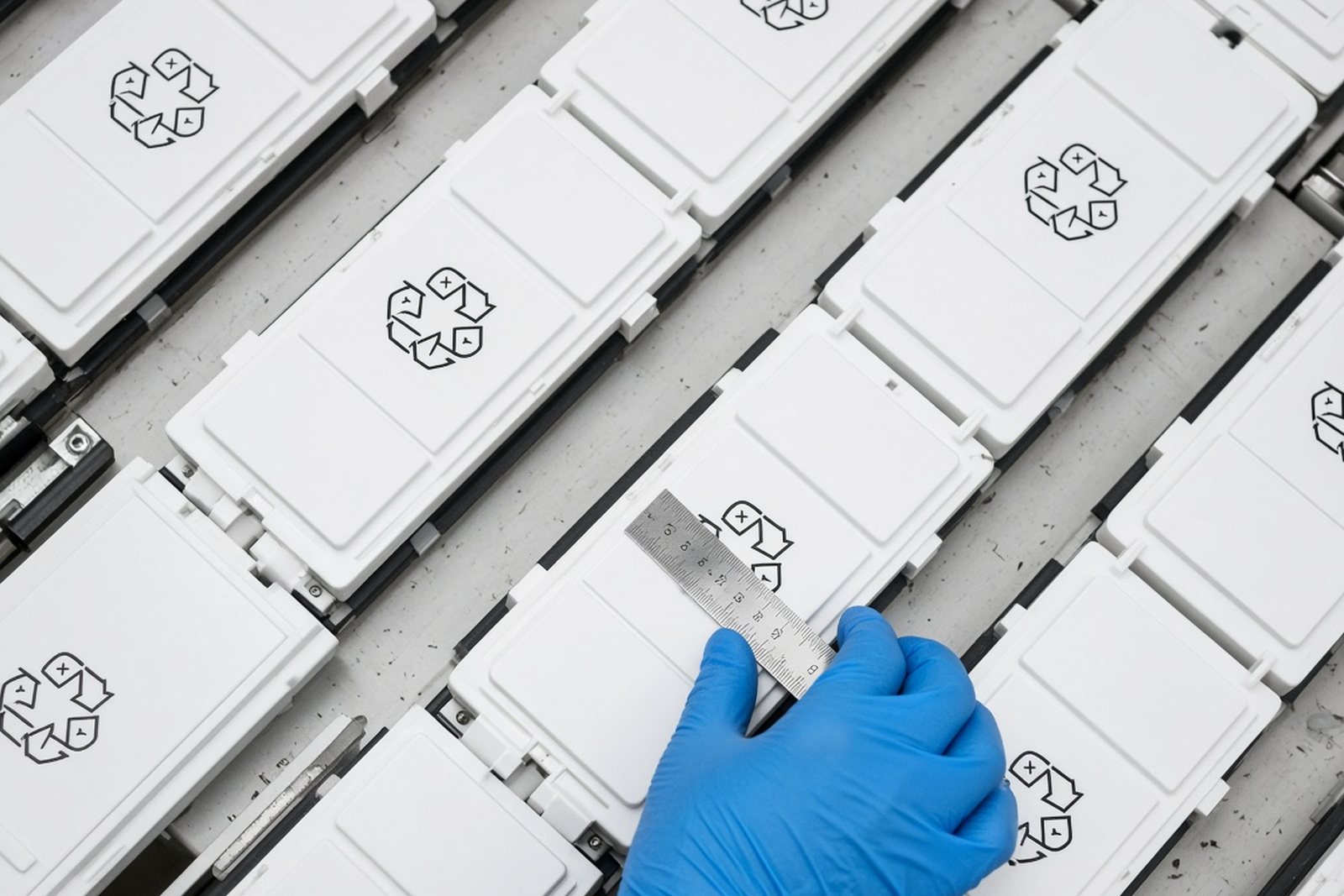
- Parts needing tight placement and clean edge control
Sampling and setup
Dial face printing is usually done on a pad printer fitted with the correct fixture, plate and curing method for the part. The work area needs a level surface, stable lighting and enough space for parts handling, sample checks and packing. For consistent output, the machine setup should keep the part in the same position every cycle. If the dial face is very small, a dedicated jig or nest is often needed.
In many workshops, filtered compressed air is also needed for pad movement or related fixtures.
- Filtered compressed air where the setup requires it
- Dry, clean work area away from dust and overspray
- Fixture or jig matched to the exact part shape
- Space for adhesion samples and final packing
Care, Servicing and Repeat Runs
Printed dial faces should be handled with clean gloves or clean dry hands once the ink has cured. Avoid harsh solvents, abrasive cloths and scraping tools because they can dull the marking or lift the finish over time. If the part is used in a medical or electronics environment, cleaning agents should be tested on the specific print system before the job is released for production.
For repeat runs, we keep record of the artwork version, plate settings, fixture notes and curing method so the next batch matches the approved sample. This helps when a customer returns months later with the same component but a fresh batch requirement. If the part has changed even slightly, the plate or fixture may need updating, and a quick trial sample run is the safest way to check it before full production.
What To Check Before Ordering Dial Face Printing
Before you send parts in, it helps to confirm the diameter, the visible print band, the number of legends, and whether the graphic must align with a hole, pointer or notch. We also need to know the substrate, the expected cleaning method and whether the part will be assembled after printing or handled as a finished item. That gives us a clear basis for artwork prep and sample approval.
- Part drawing or a sample component with measurements
- Artwork in a usable format, or a clear sketch for redraws
- Required colours, font sizes and numbering sequence
- Surface finish and material type, including any coating
- Expected use environment, including heat, cleaning or handling
- Quantity needed for trial samples and full production
We serve manufacturers across South Africa from Westmead, Pinetown, with support areas including New Germany, Westville, Durban, Johannesburg, Pretoria, Cape Town and Gqeberha. Enquiries come through the contact page form, and our team can help from artwork preparation through dispatch packing.
Who Handles Your Job
That mix matters on dial face work because a small alignment issue can show up immediately on a circular face.
For manufacturers, the practical value is straightforward: accurate legends, repeatable positioning and a process that is checked before parts go out. Whether the job is for a medical rotary control or an electronic selector ring, we focus on clear printing, sensible change control and packing that keeps the parts clean on the way to your site.
Run details
| Print method | Pad printing with silicone pad transfer from an etched plate |
|---|---|
| Typical part types | Rotary controls, bezels, knobs, indicator rings and circular legends |
| Surface suitability | Prepared plastics, coated parts and selected metal components after testing |
| Ink handling | Colour matched inks with curing chosen to suit the substrate and use |
| Service area | Pinetown, Durban, Johannesburg, Pretoria, Cape Town and Gqeberha |