


Choosing the right industry path for your parts
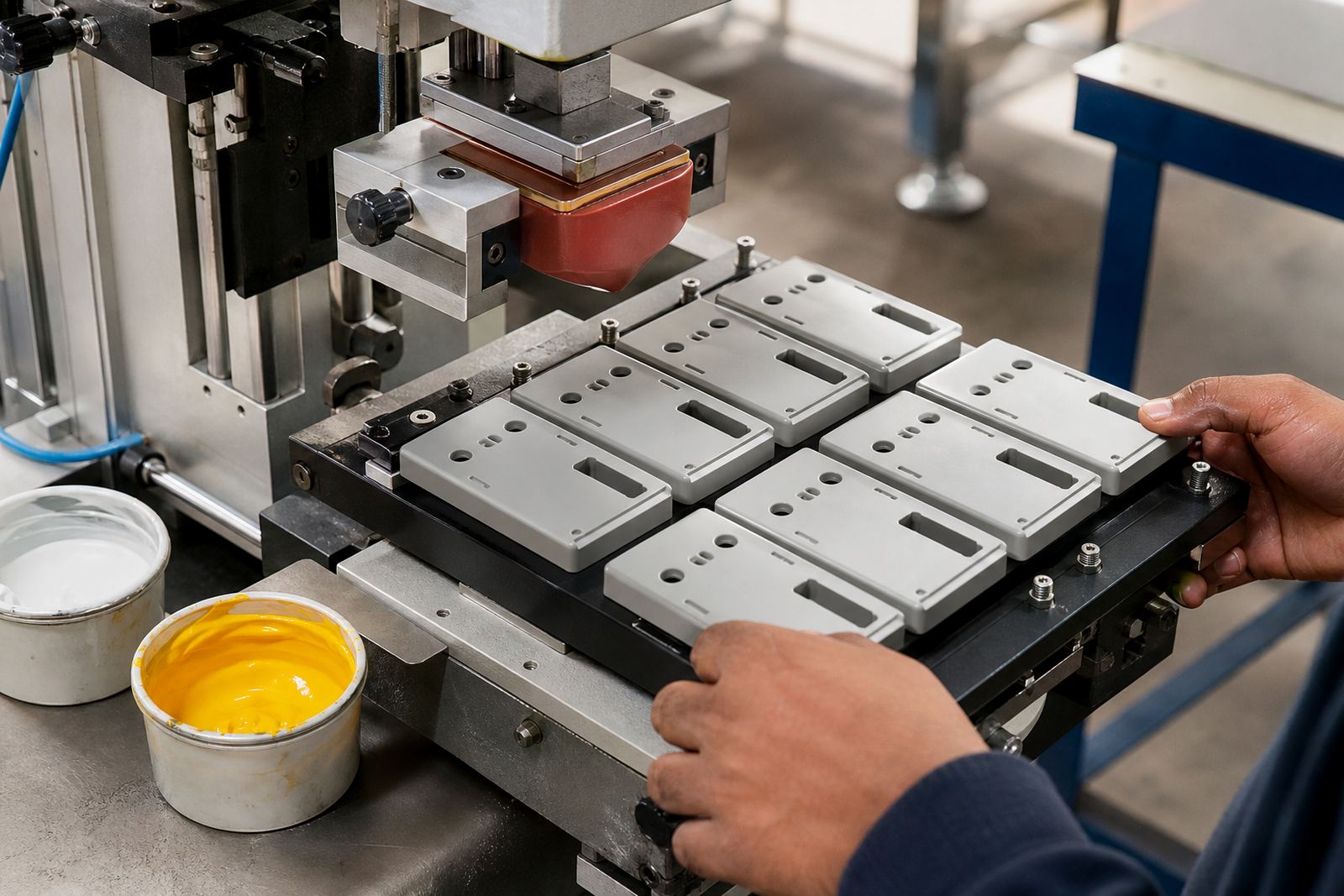
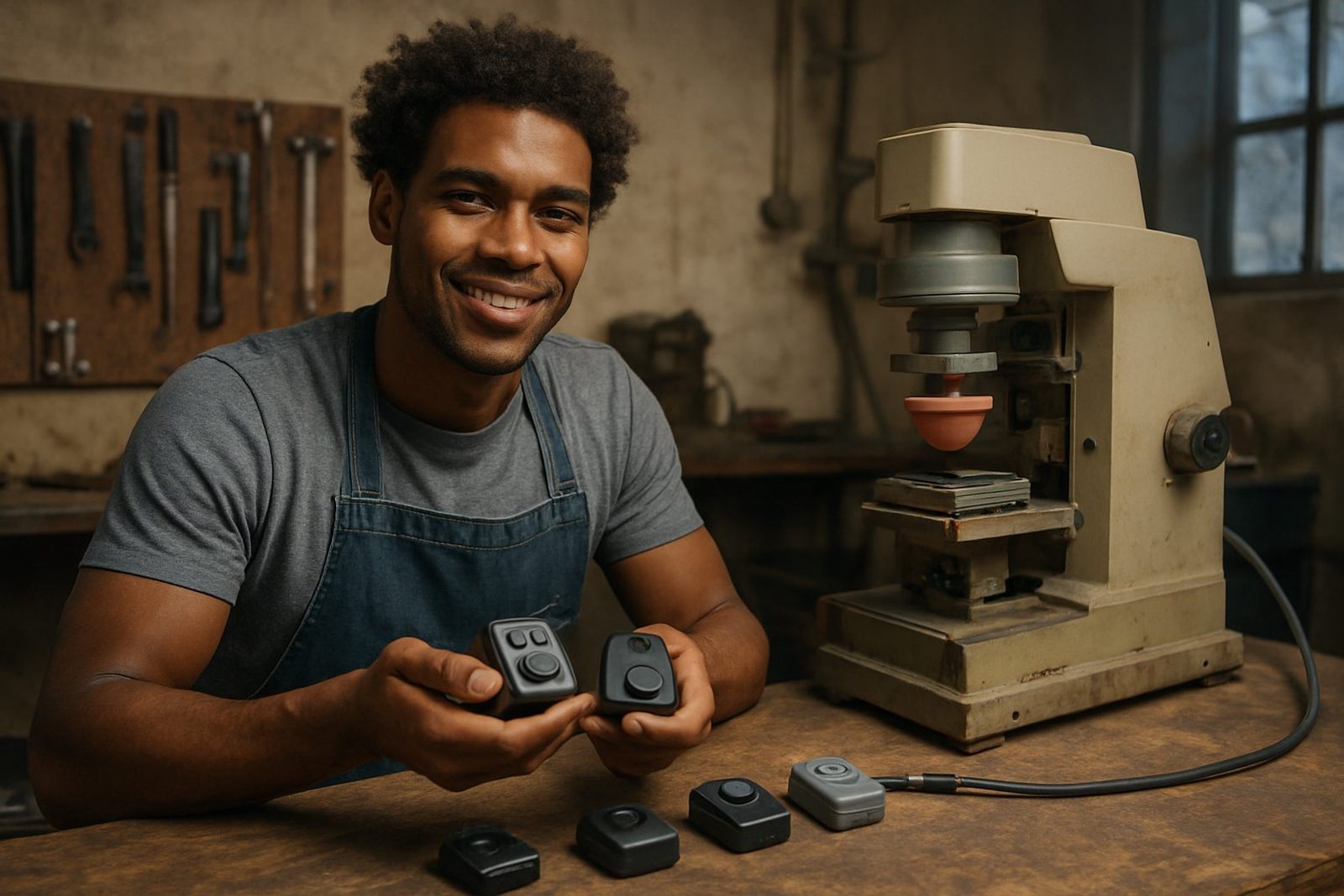
Pad printing is used when a mark has to land on a curved, recessed or uneven surface and still hold up through handling, cleaning and assembly. For some parts the focus is a simple logo or reference mark, for others it is a fine label, switch icon or control legend that must stay readable after repeated use. The right approach depends on the substrate, the surface finish, the ink type and how the part will be cured and packed after printing.
Our industry pages group the most common manufacturing uses so buyers and production teams can find the right fit quickly. If your parts are plastic, coated metal, glass or a mixed assembly, start with the option that sounds closest to your application and work from there.
Medical component marking and device part identification
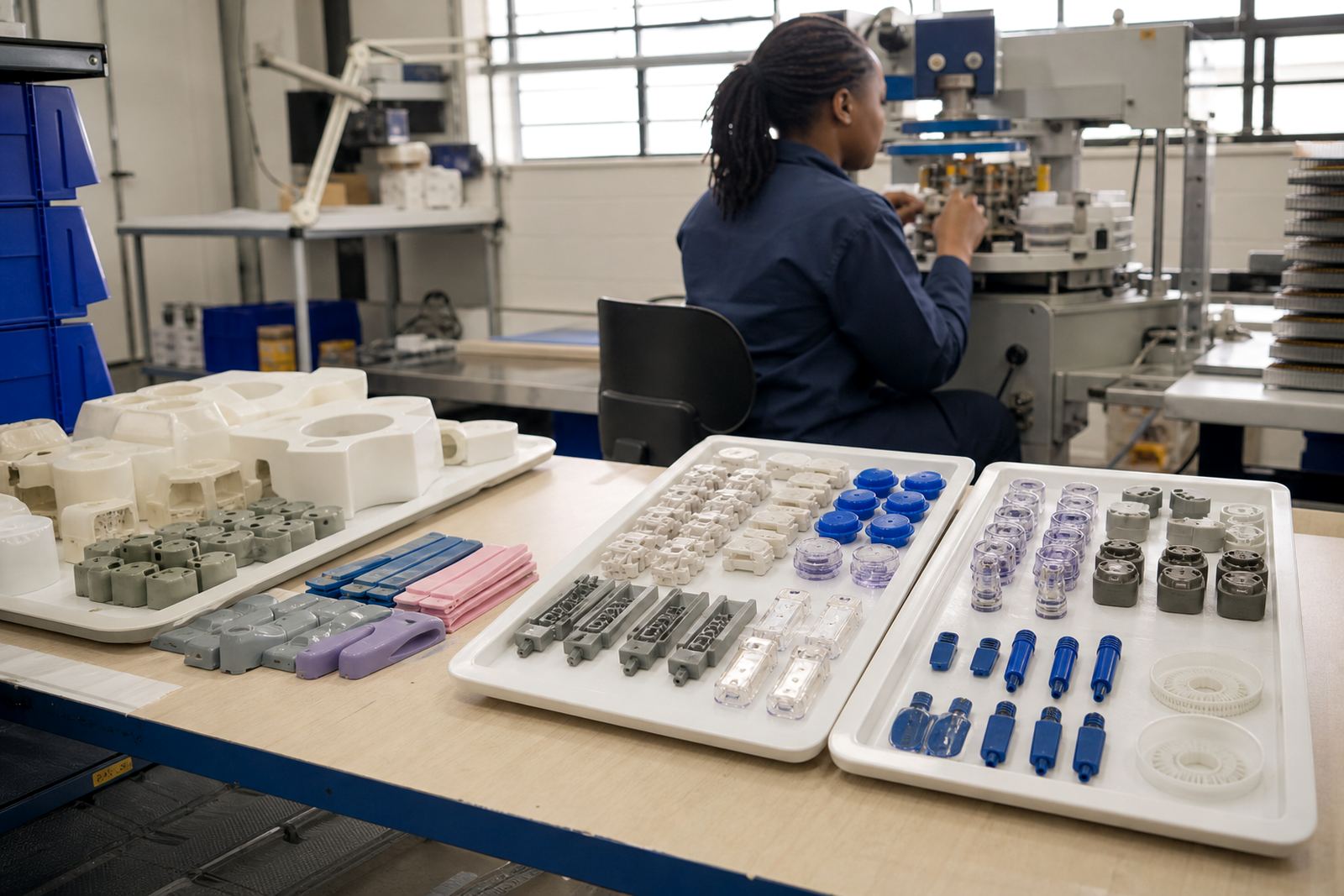
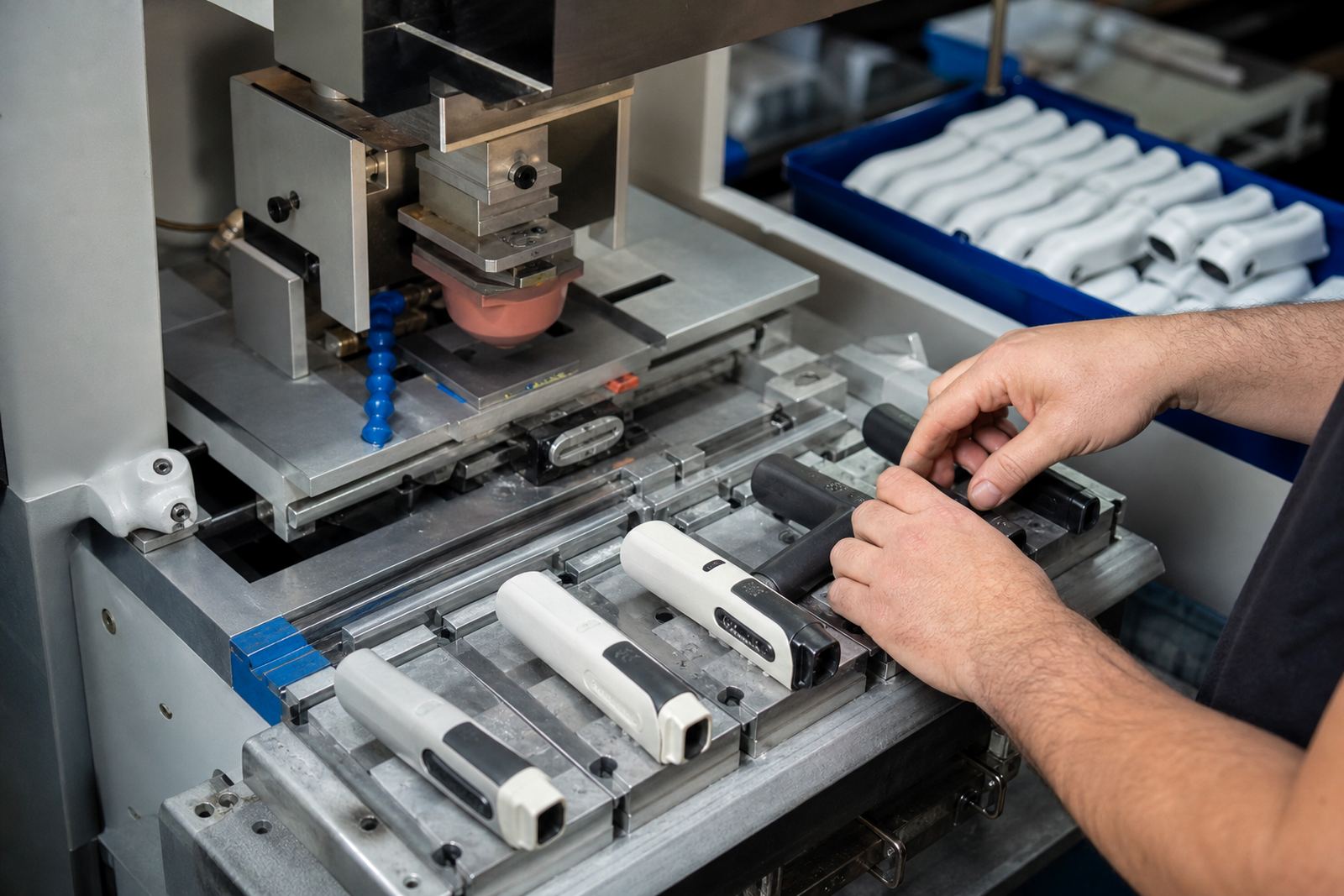
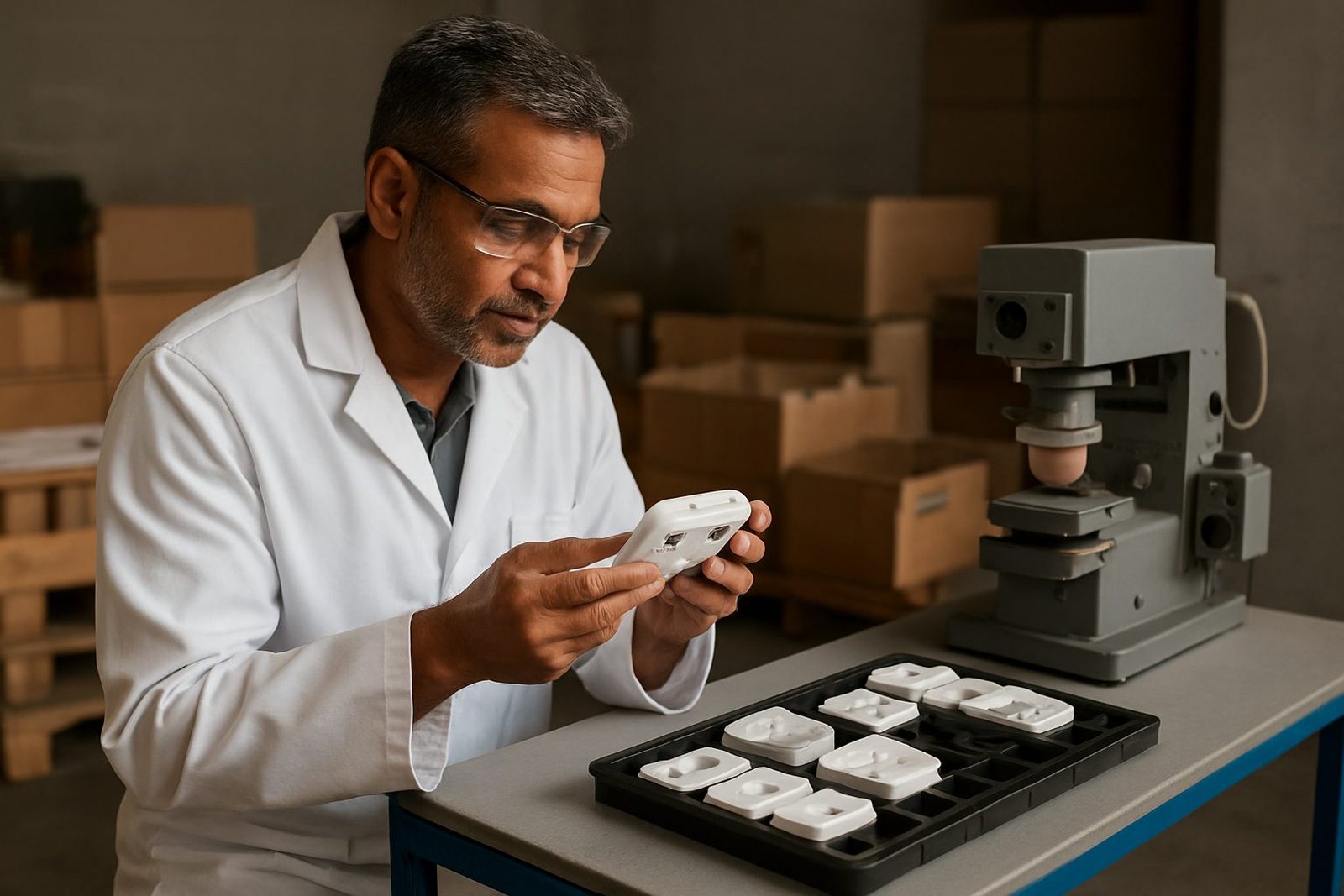
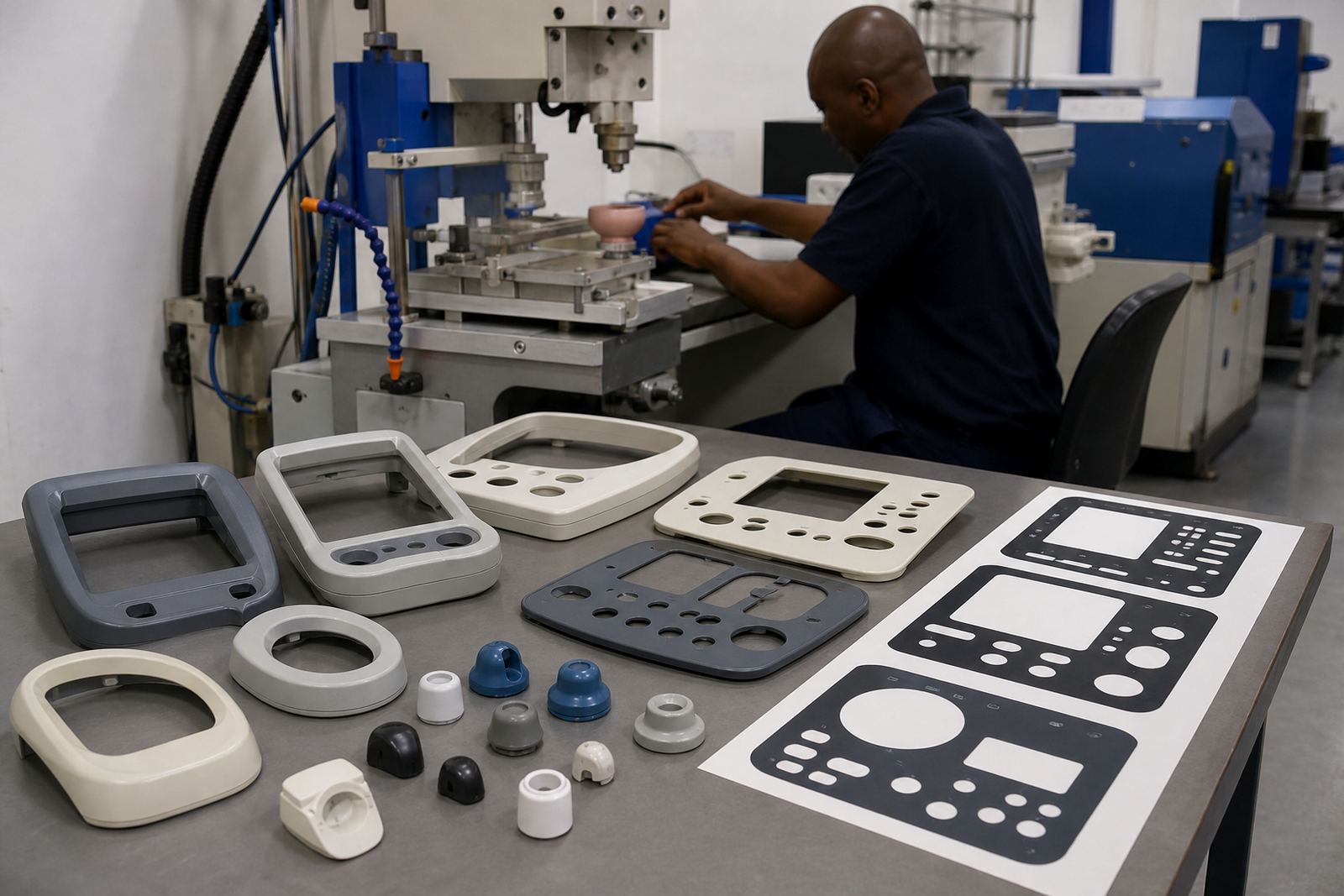
Medical parts often need crisp marks on small housings, caps, trays, buttons and instrument components. In this space, print quality matters because tiny errors can affect legibility, part sorting or internal traceability. We prepare artwork carefully, set up plates to match the required detail and test the ink choice against the surface before moving into a production run.
Typical work includes shallow recesses, narrow print windows and parts that may need a controlled curing method after printing. We also use adhesion test samples where needed, so the finish can be checked before a larger batch is released. Customers remain responsible for their own device compliance and product validation, while we focus on the print application and repeatability.
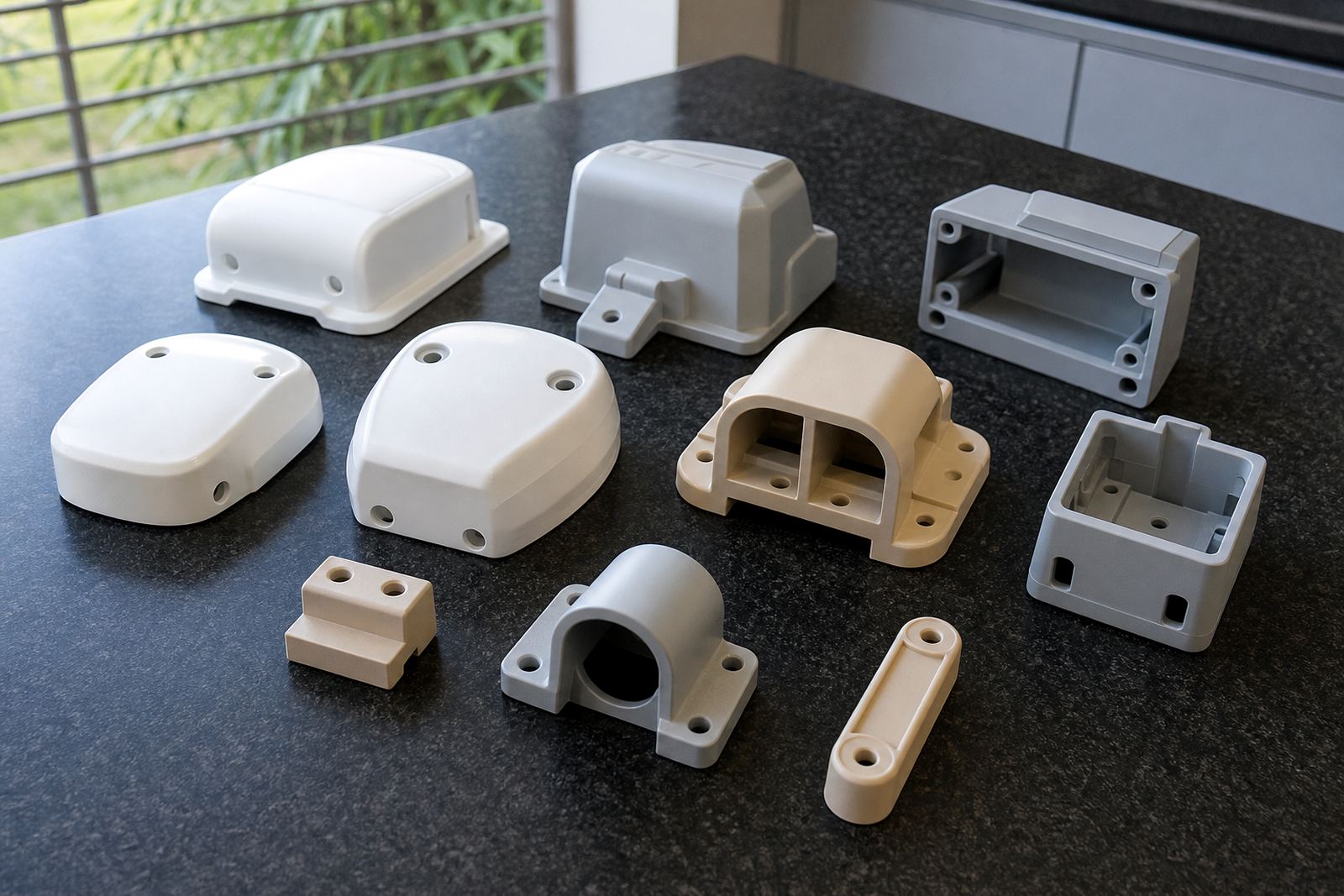
- Plastic housings and covers
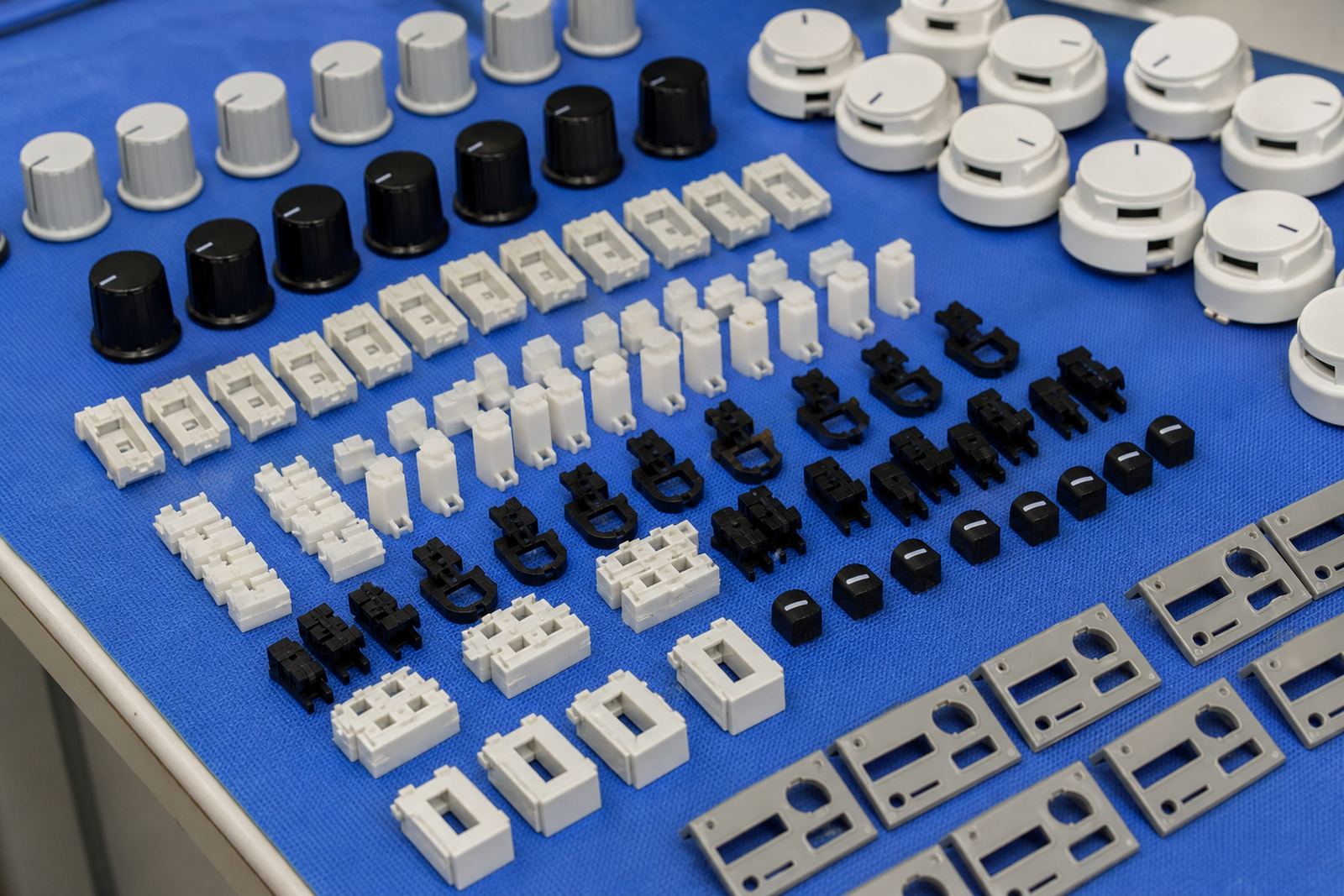
- Selector buttons and indicator caps
- Instrument labels and symbol marks
- Small trays, clips and accessory parts
Electronics housing marks, legends and control panels
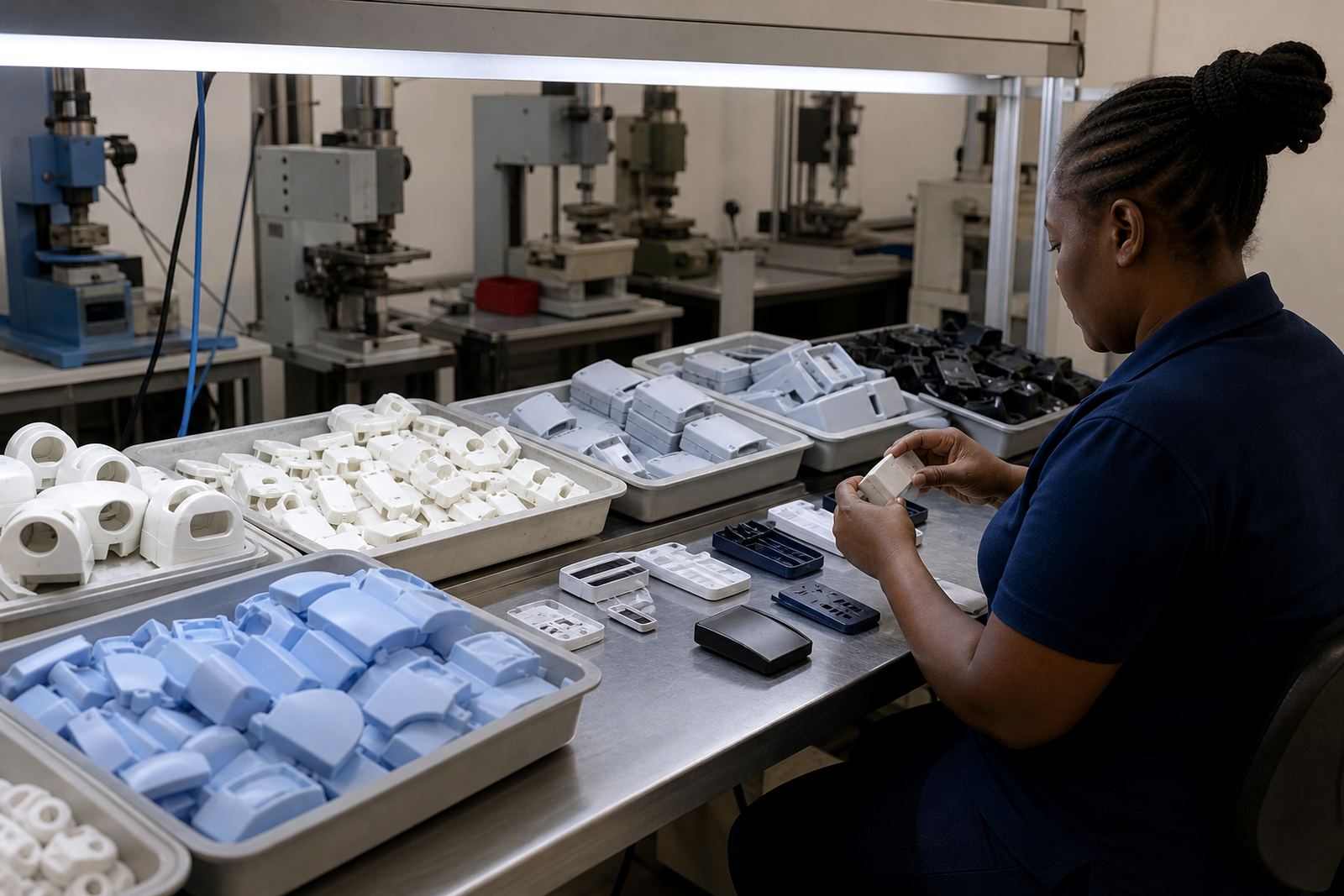
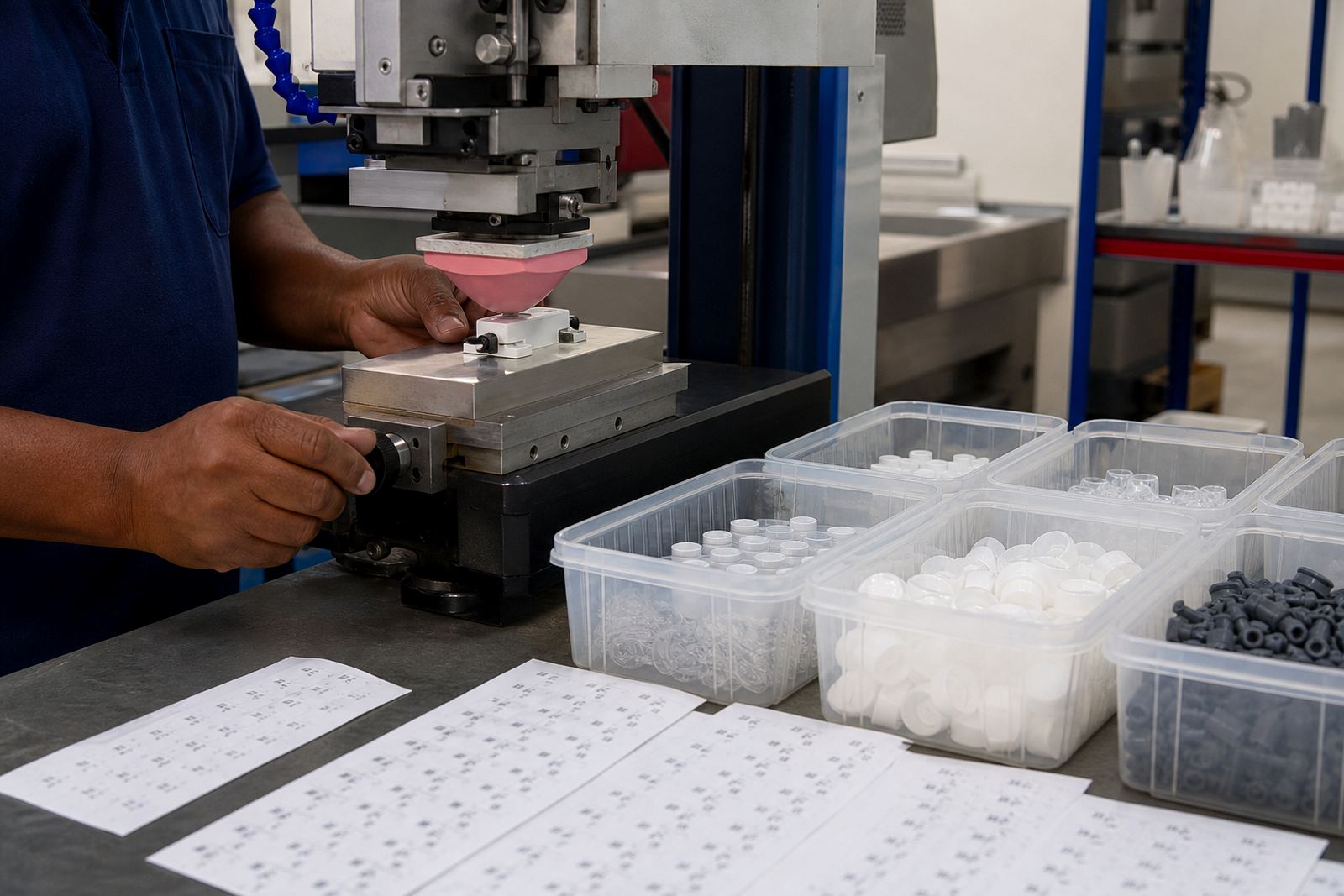
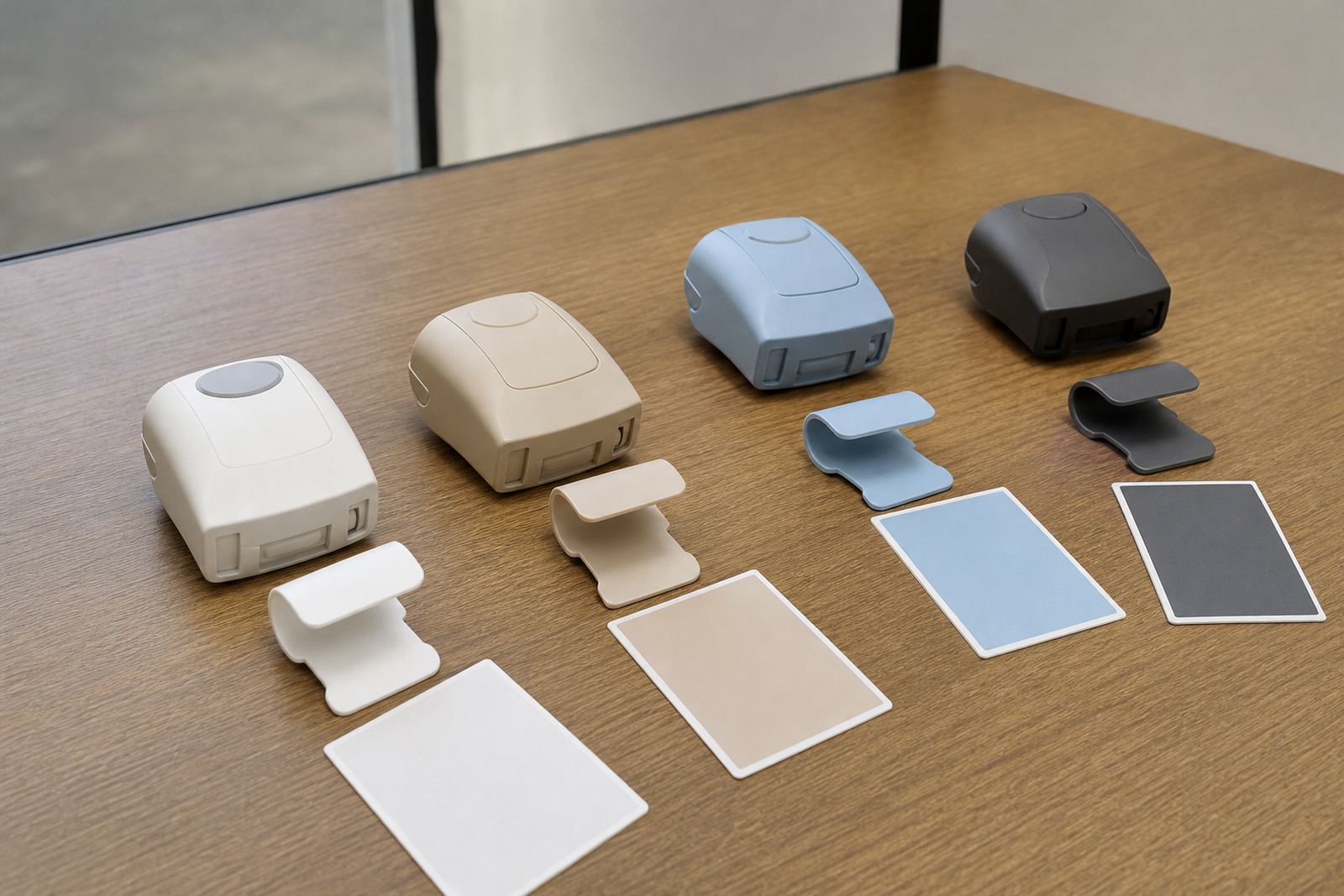
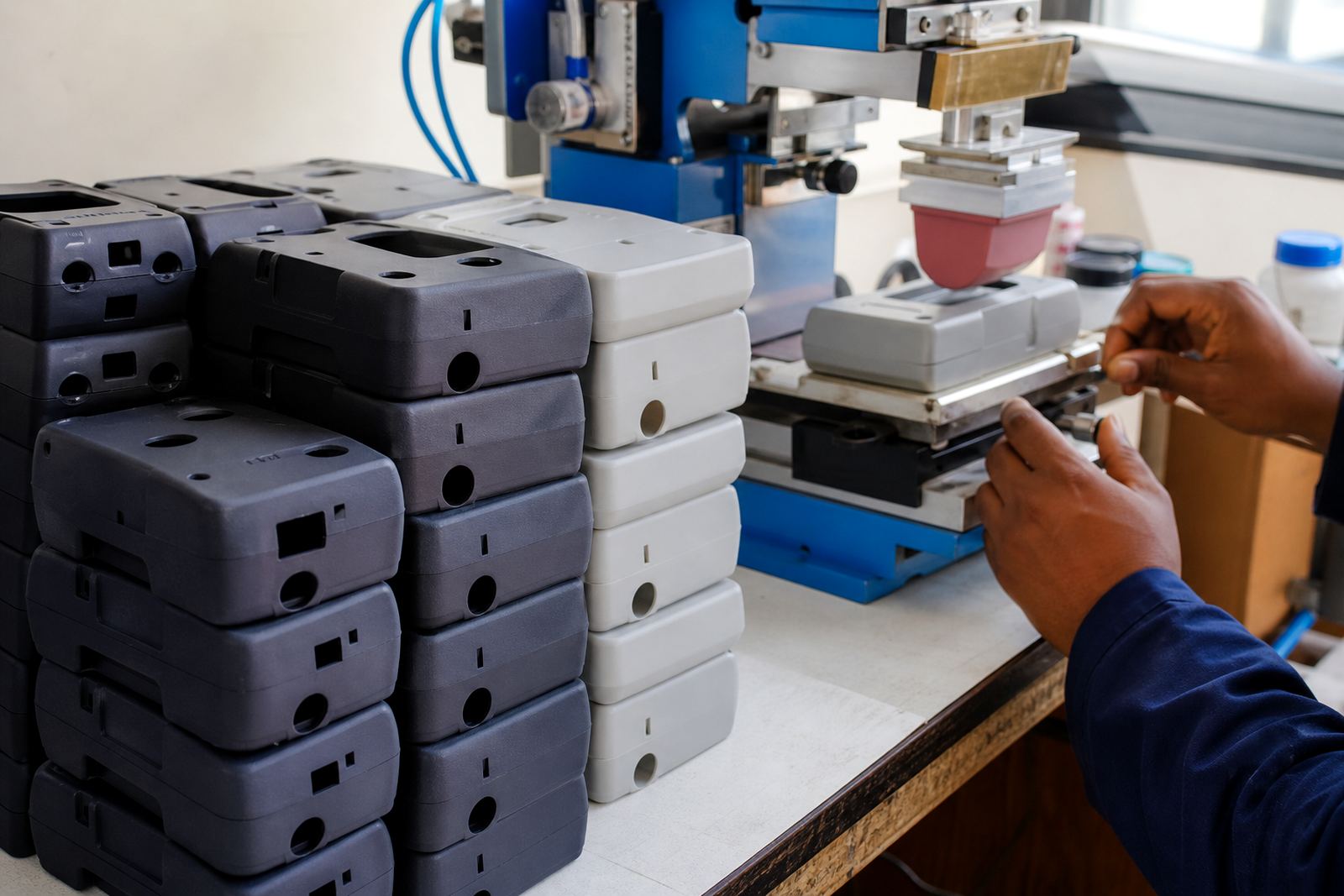
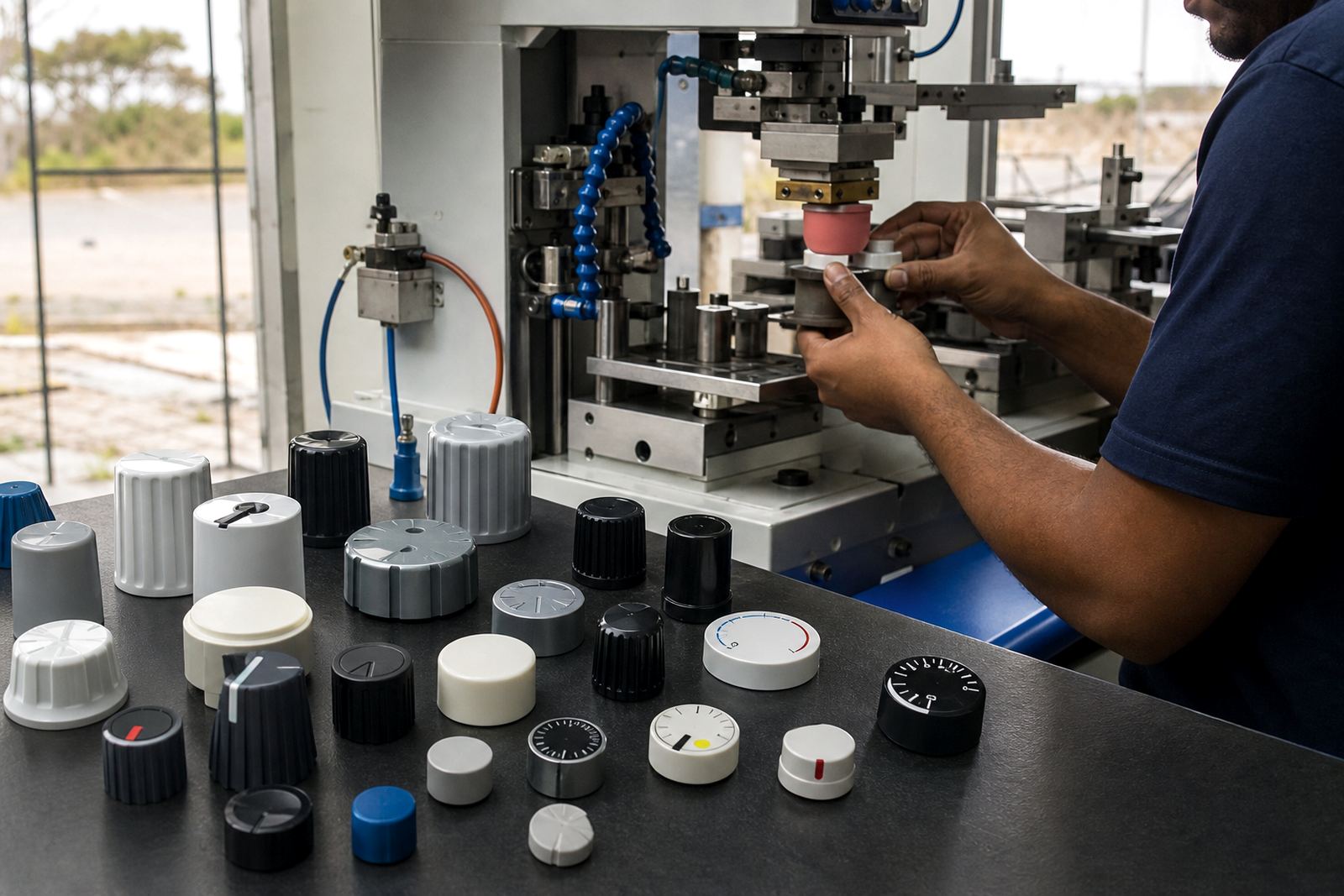
Electronics manufacturing often calls for fine legends, port marks, warning icons and branding on switches, panels and enclosure parts. Many of these items have limited print areas, uneven shapes or surfaces that need careful colour matching to remain clear against the housing colour. Pad printing suits these jobs because the silicone pad can lift the ink from the etched plate and place it onto the part with controlled pressure.
We plan the print area, make fixtures where needed and run trial samples before full production. That helps with alignment on repeat jobs, especially when parts are supplied in mixed batches or arrive with slight moulding changes. For products heading to humid coastal areas like Durban or Gqeberha, curing and adhesion testing become even more important, since storage and handling conditions can affect the final result.
Parts that need clean repeat runs
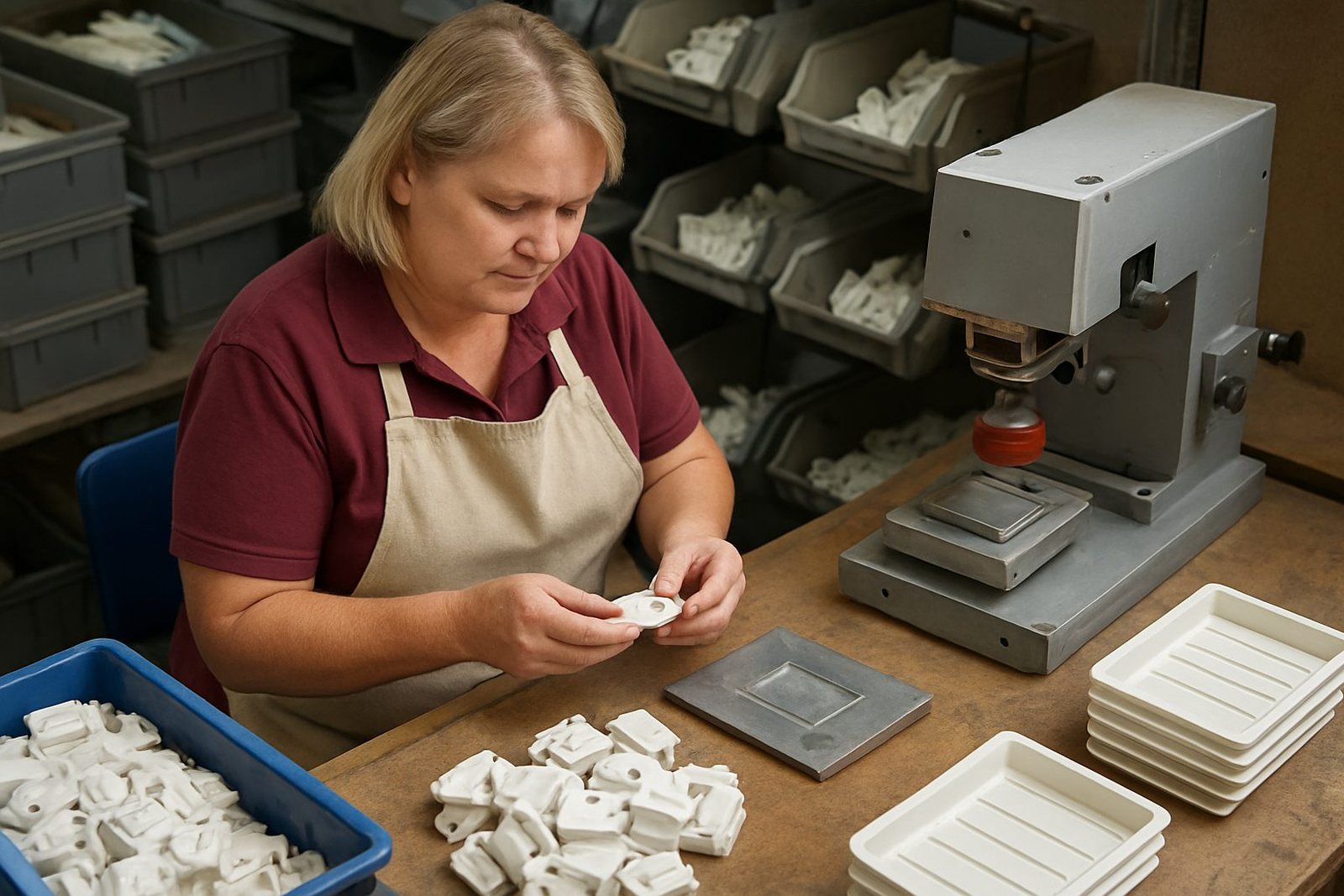
Manufacturers often send the same part months later and need the same mark in the same place. That is where rerun job control matters. We keep artwork, plate settings, print area notes and curing preferences together so repeat work can be set up without losing consistency. It also helps when a production line changes size, shifts from one colour to another or needs a second batch for Johannesburg or Pretoria supply.
Our team handles the practical steps that keep repeat work orderly across South Africa.
- Artwork preparation and logo redraws
- Plate exposure and plate etching
- Fixture making for stable positioning
- Trial sample runs before release
- Dispatch packing for transit to other provinces
Surface, ink and curing decisions that affect the final mark
Not every material takes ink in the same way. Some plastics need stronger adhesion, some coated parts need a different ink mix, and some surfaces need a curing method that suits heat limits or production pace. We look at the part first, then choose the print setup that gives the best balance of clarity and wear resistance. That may include adjusting the pad shape, changing the ink chemistry or planning a slower cure where the part cannot take extra heat.
With the right setup, the print can move from sample to production without unnecessary rework or avoidable rejects.
Where we support manufacturers from Westmead, Pinetown
Our base in Westmead, Pinetown places us close to Durban manufacturers and the wider KZN industrial area, while the same service model supports buyers further afield. Teams in New Germany and Westville often need quick turnarounds for local production, while supply chains in Cape Town, Pretoria, Gqeberha and Johannesburg may need packed, labelled jobs that travel well and arrive ready for the next stage.
The aim is straightforward: give manufacturers a practical pad printing service that fits their parts, their schedule and their own compliance process.
- Pinetown Printing Support
- Durban Manufacturers
- Johannesburg Supply
- Pretoria Supply
- Cape Town Supply
- Gqeberha Supply