
Repeatable marking for small switch caps and key tops
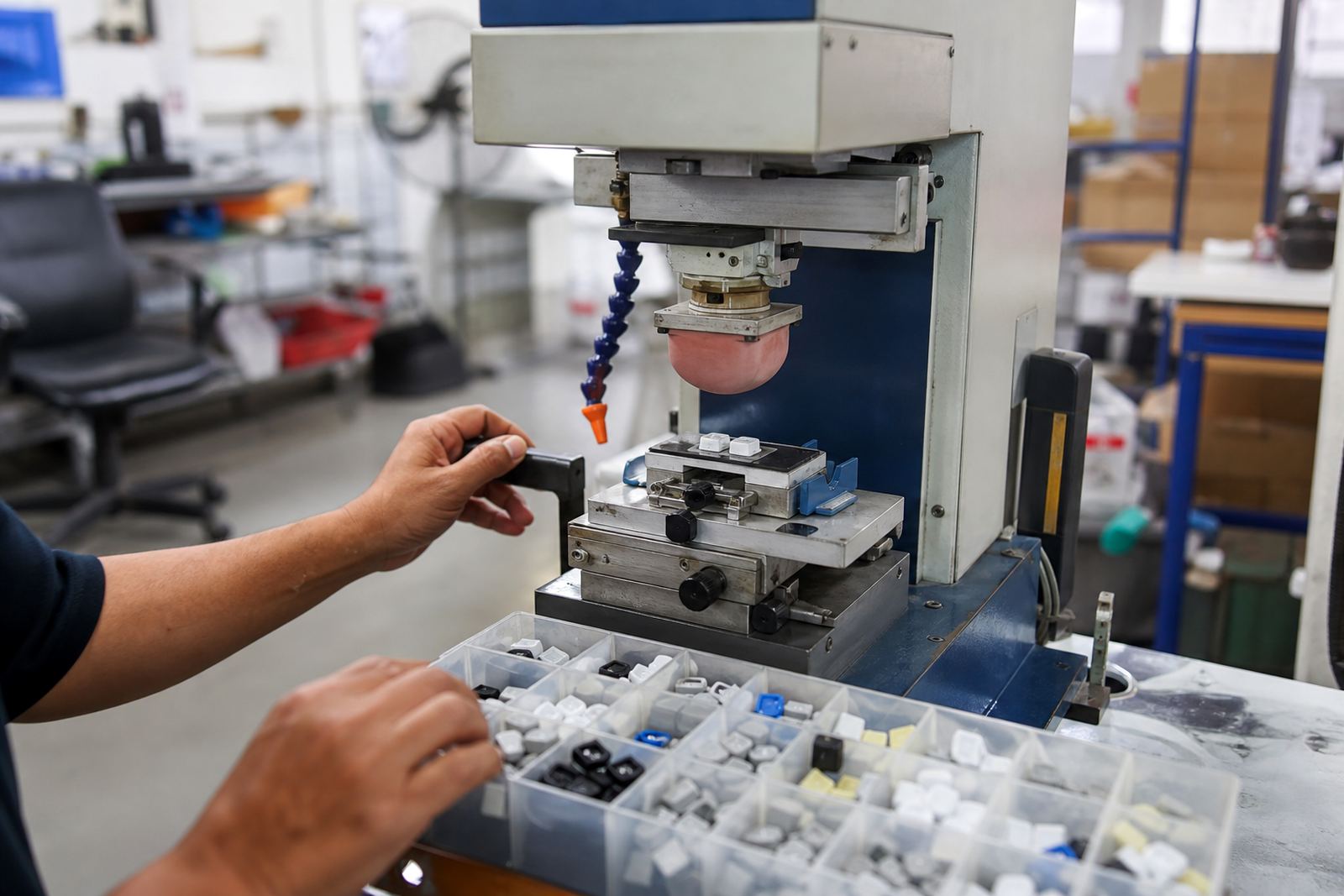
Switch cap printing is a pad printing process used to apply icons, letters, numbers and simple symbols onto small plastic or coated parts such as switch caps, key tops and control buttons. A soft silicone pad picks up ink from an etched plate and transfers it onto the part, which helps the print conform to slightly curved or recessed surfaces. For manufacturers in Durban, Johannesburg, Cape Town, Pretoria and Gqeberha, this is a practical way to keep markings neat and consistent across repeated batches.
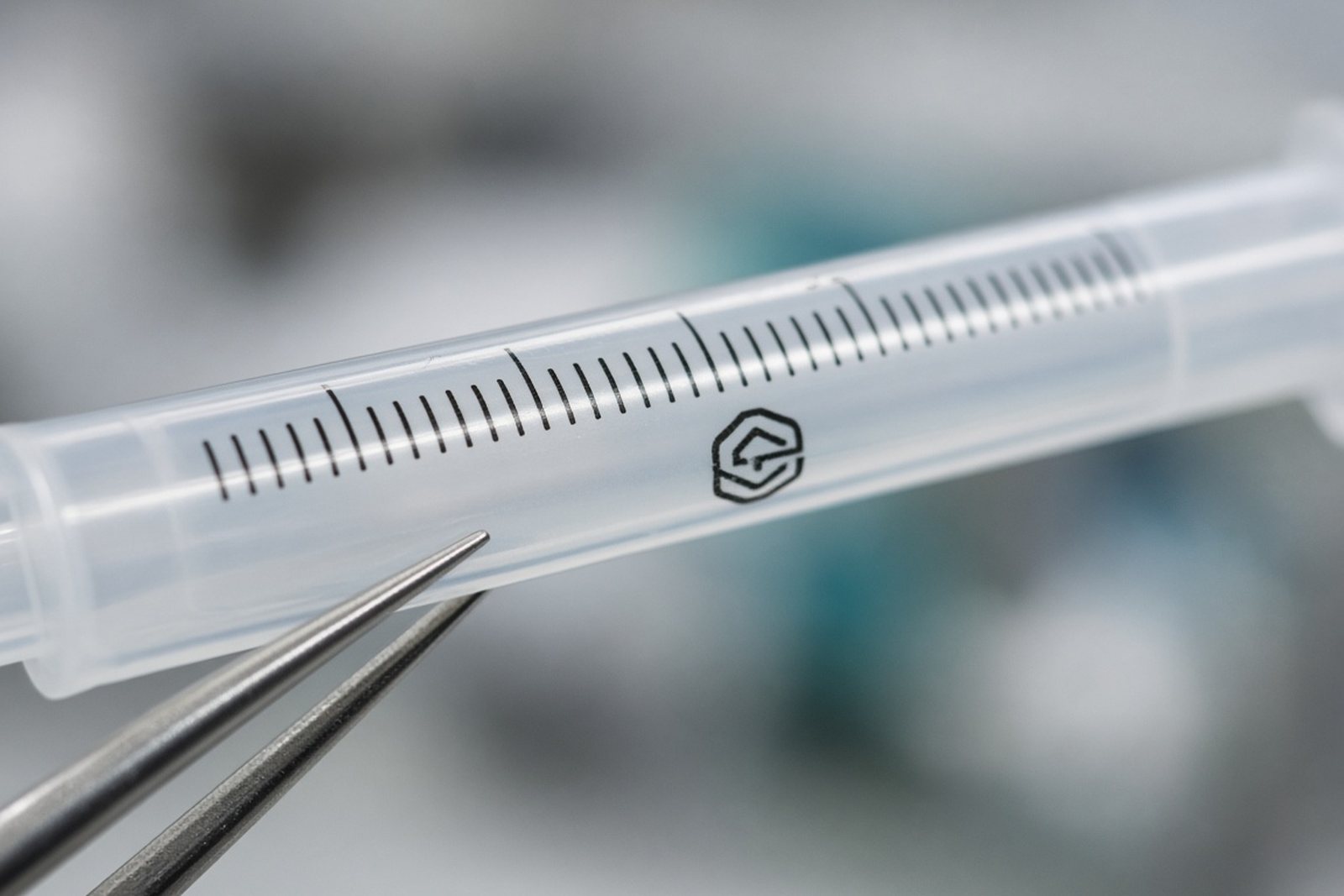
For this kind of work, clarity matters more than decoration. The artwork must stay readable at a small size, the registration must stay tight, and the ink must bond properly to the chosen substrate. On medical and electronic components, customers remain responsible for their own device compliance, but the print process should support accurate identification, consistent operator use and better traceability on the line.
- Suitable for single icons, line symbols, letters and short text
- Works on flat, curved or lightly textured cap surfaces
- Useful for control panels, handheld units and operator interfaces
- Best where repeatability matters more than large area coverage
What the process involves from plate to cured print
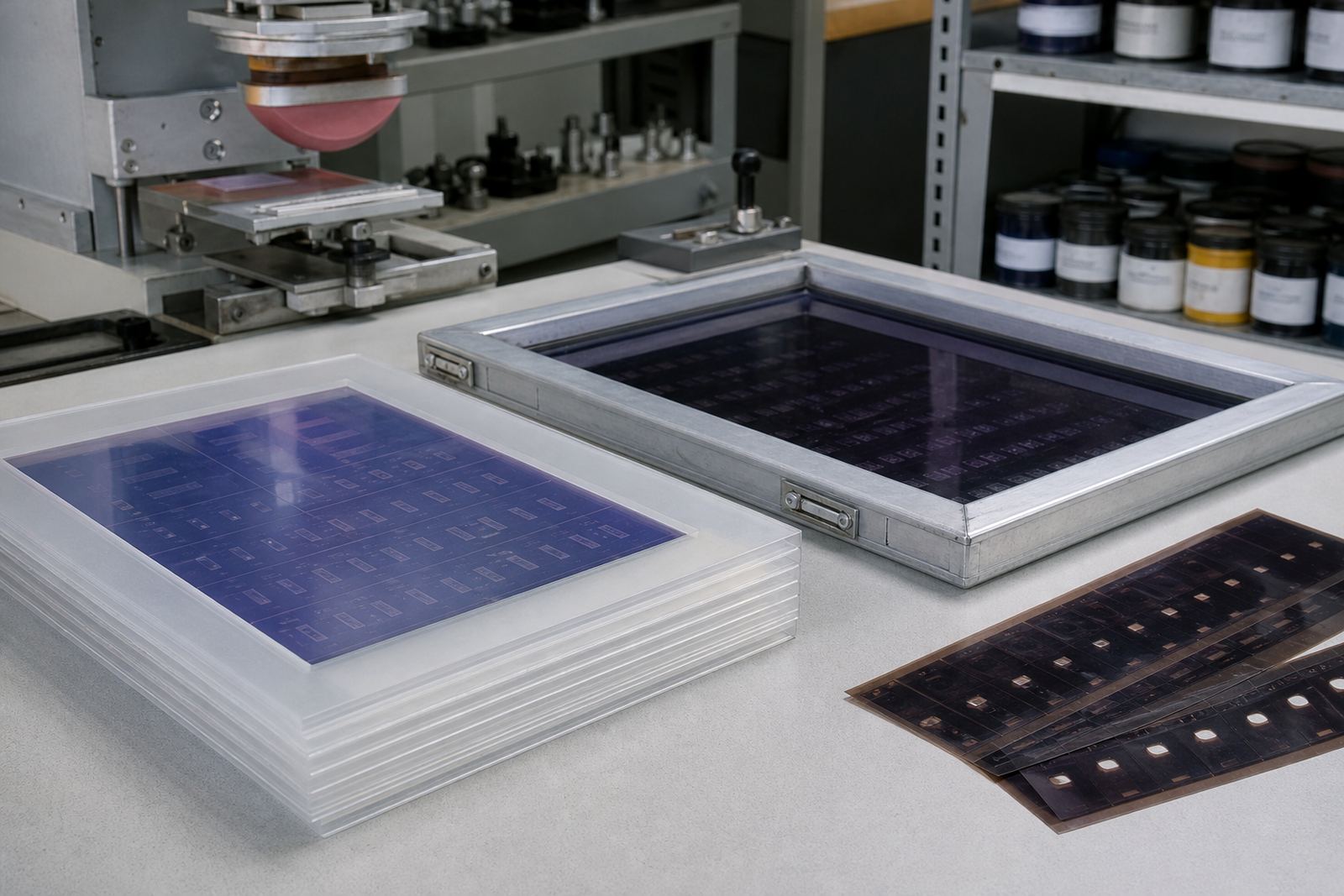
We start with artwork preparation and print area planning so the marking fits the cap correctly. If needed, logos or legends are redrawn to suit pad printing line weights and small character sizes. From there, a plate is exposed and etched with the image, ink is mixed to the required colour, and test prints are run on sample parts to confirm alignment and adhesion.
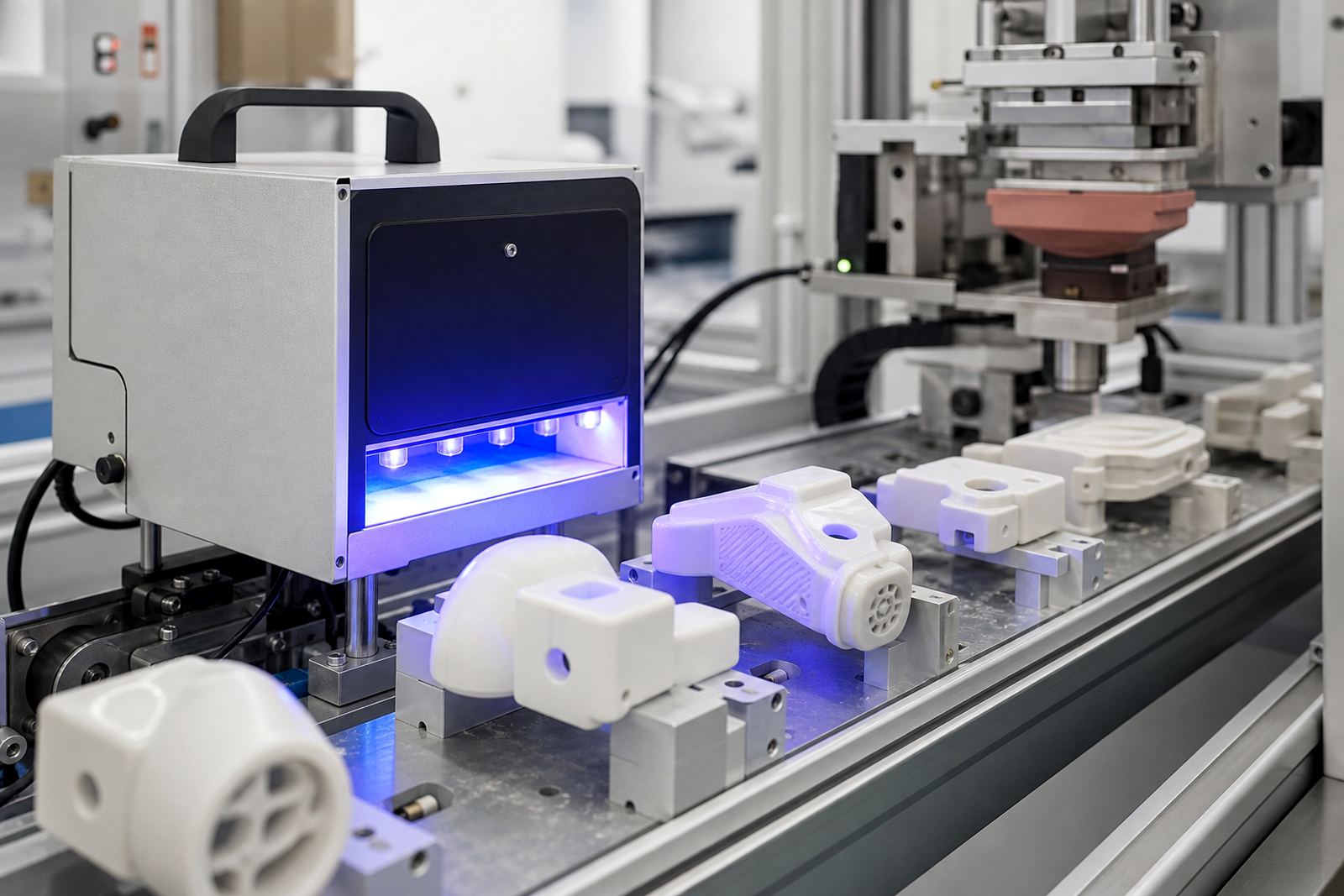
The pad then lifts the ink from the etched plate and transfers it to the switch cap. Depending on the material and the ink system selected, curing may be by air drying, heat, or another controlled method. Correct curing is important because uncured ink can smudge, wear early, or fail under cleaning and handling.
- Artwork preparation and redraws where required
- Plate exposure and plate etching for fine detail
- Trial sample runs before full production
- Curing method selection based on the part and ink type
Sizes, cap styles and common printing options
Switch caps come in many shapes, and the printing setup needs to match the component rather than force a one-size-fits-all approach. We work with compact caps, larger key tops and small control buttons, including parts with a slight dome, shallow recess or side wall marking area. The final print area depends on the cap shape, the required legend size and the amount of safe clear space around the mark.
Common options include one colour prints, multiple position markings, and repeat jobs where the same icon set is used across a product range. A clean white, black or grey print is often enough for visibility, but the right ink colour depends on the base material and the surrounding panel colour. For high handling areas, it is worth checking whether the cap will be exposed to finger oils, sanitiser or regular wiping, since that affects both ink choice and curing.
- Small key tops with single character or icon marks
- Larger switch caps with multi-part legends
- Gloss, matte and lightly textured surfaces
- Simple colour changes for different product variants
Where switch cap printing suits best
This service suits manufacturers that need small, accurate markings on parts used in medical devices, electronic instruments, control systems and operator panels. It is often chosen where the legend has to remain visible under normal use, where moulded-in text is not practical, or where a part needs a specific code for assembly or inspection. Westmead in Pinetown is well placed for collections and dispatch into Durban and the wider KwaZulu-Natal manufacturing corridor, while our printing support also serves Gauteng and the coastal markets.
For electronic parts, the main concern is legibility and alignment. For medical-related parts, the print also needs to tolerate cleaning routines and repeated handling without flaking or bleeding. Coastal humidity in places like Durban and Gqeberha can affect storage and drying, so parts should be kept clean and packed properly after printing. On the production floor, careful fixture making helps keep the caps steady during print runs and reduces variation between parts.
Care, servicing and what to check before placing an order
To keep switch cap printing looking clean, parts should be handled with dry, clean hands during assembly and not stacked in a way that scuffs the printed face. If the caps are used in a setting where they are wiped often, confirm the cleaning agents and expected wear so the ink and curing method can be matched properly. The printed finish can last well when the substrate, ink and curing are selected as a set rather than as separate decisions.
Before ordering, check the exact cap material, the colour of the base part, the size of the print area, the required legend, and whether a single sample or a full production batch is needed. It also helps to confirm whether the cap will be exposed to moisture, sanitiser, sunlight or repeated mechanical contact. For ongoing work, regular sample approval and plate control make rerun work easier to manage. Our team in Westmead, Pinetown handles artwork, trial samples, fixture making, quality checks and dispatch packing for clients across South Africa.
- Cap material and surface finish
- Exact print content and orientation
- Required colour and contrast on the base part
- Cleaning method, handling conditions and expected wear
Run details
| Print method | Pad printing with silicone pad transfer |
|---|---|
| Typical markings | Icons, letters, numbers and short legends |
| Suitable parts | Switch caps, key tops and small control buttons |
| Surface types | Flat, curved, recessed and lightly textured |
| Production support | Artwork prep, plates, fixtures, trial samples and reruns |
| Service areas | Pinetown, Durban, Johannesburg, Pretoria, Cape Town and Gqeberha |