
What Syringe Part Printing Covers
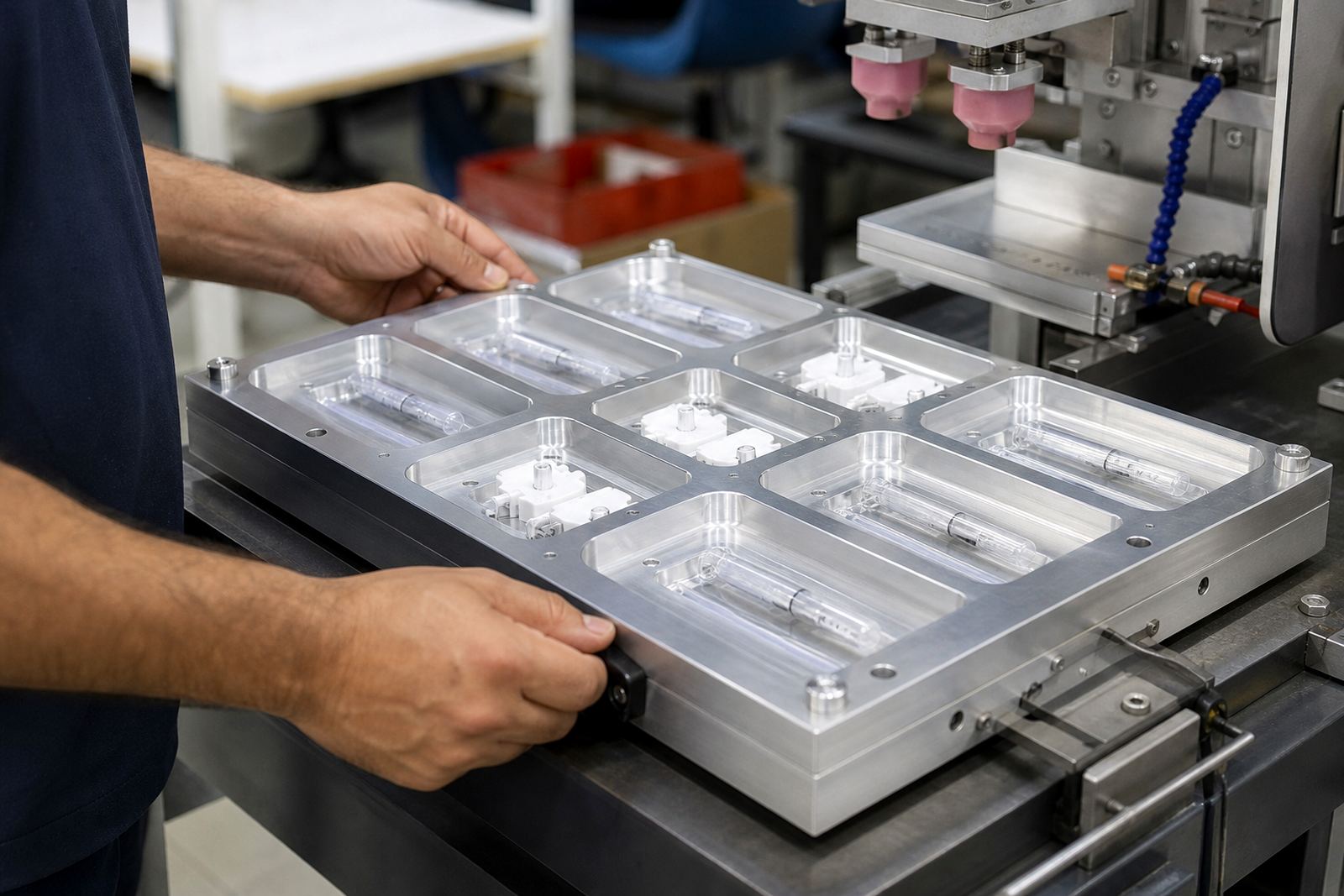
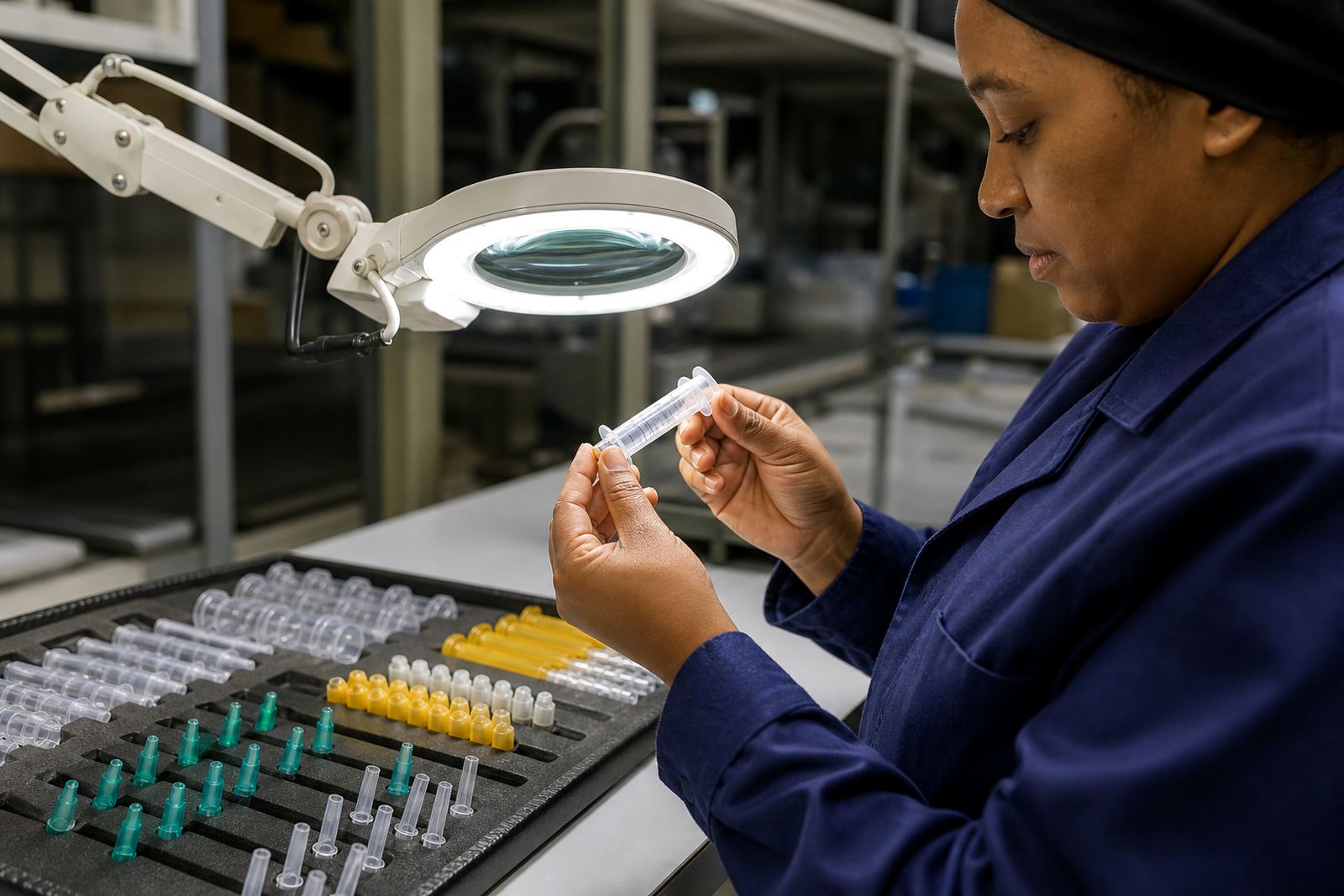
Syringe part printing is the marking of small plastic components used around syringe assemblies, where the print must stay clear, centred and readable after handling, packing and use. These parts can include plungers, barrels, caps, collars, clips, adapter rings and other related moulded components that need part numbers, symbols, scale references, batch identifiers or simple brand marks applied to a tight print area.
On this type of work, the pressure from the silicone pad, the ink mix and the curing method all matter. The surface may be smooth, slightly textured or moulded from plastics that need surface treatment before ink will hold properly. For medical and electronics work, the main aim is consistency from one run to the next, with no smudging, poor edge definition or transfer marks that could affect assembly or internal QA. Customers remain responsible for their own device compliance and product approvals, while we focus on the print process itself and the repeatability of the mark.
Typical Parts, Print Areas and Size Limits
This service suits small to medium plastic parts where the print area is limited and the curvature is slight to moderate. Syringe-related items often need marking on a flat band, a short curved face or a narrow section close to a moulding seam. We plan the artwork around the usable area, the pad reach and any handling points used during assembly or packing.
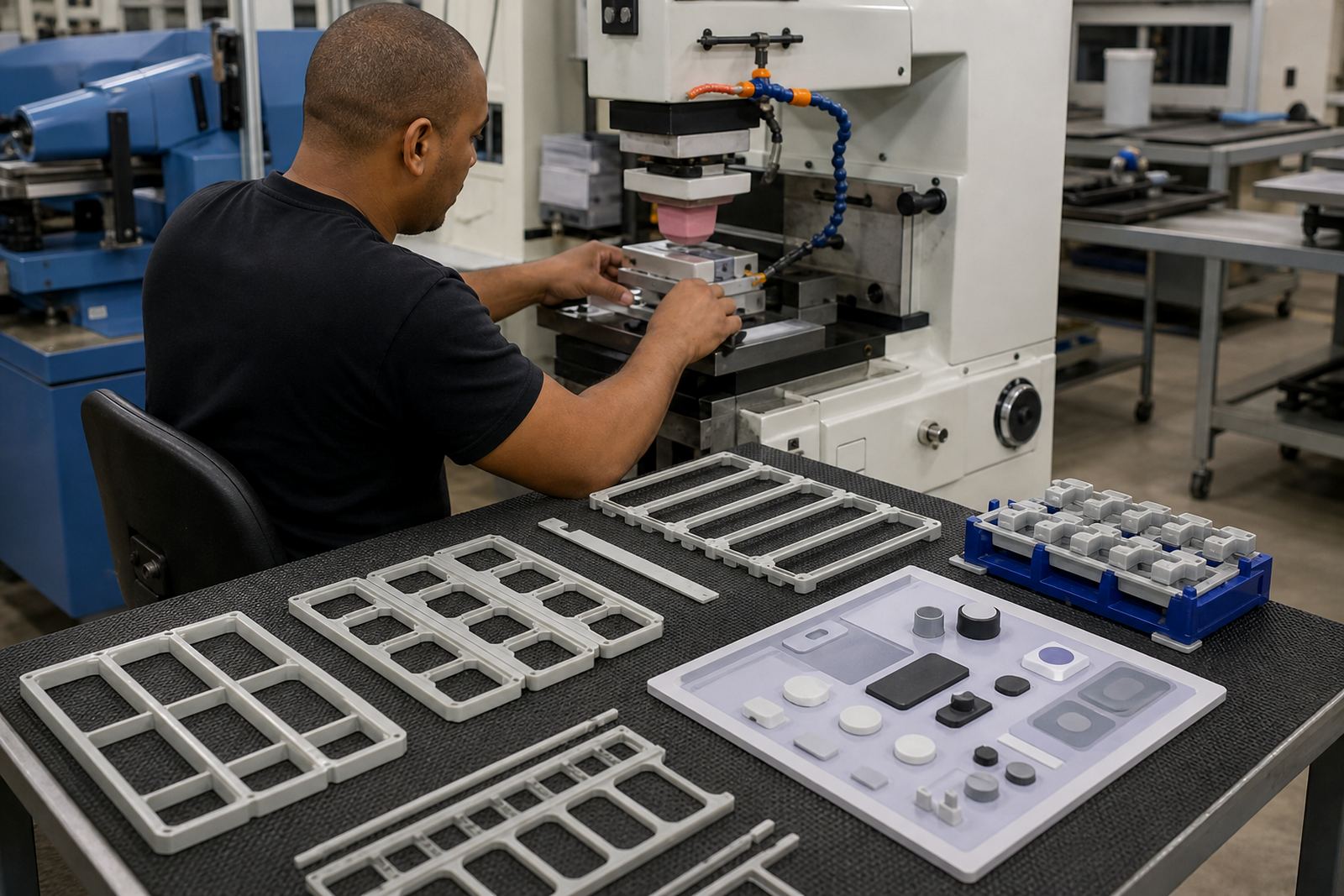
Common options include single-colour prints, fine-line text, simple icons and compact part codes. Multi-position printing can be arranged where one component needs markings on more than one face. For repeat jobs, we keep plate and fixture details on record so the same part can be rerun with less setup time.
- Small text and part codes for traceability
- Single or dual-colour markings where specified
- Prints on curved, recessed or narrow sections
- Suitable for plain plastic parts and moulded subassemblies
- Trial samples available before full production runs
How Pad Printing Works on Syringe Components
Pad printing uses a etched plate, a controlled ink system and a silicone pad that picks up the image then transfers it onto the part. For syringe components, the transfer has to be accurate because the print often sits close to a mould line or assembly point. The artwork is prepared first, then the plate is exposed and etched for the required image depth. After that, the ink is matched to the substrate and the fixture is set to hold the part in the same position every time.
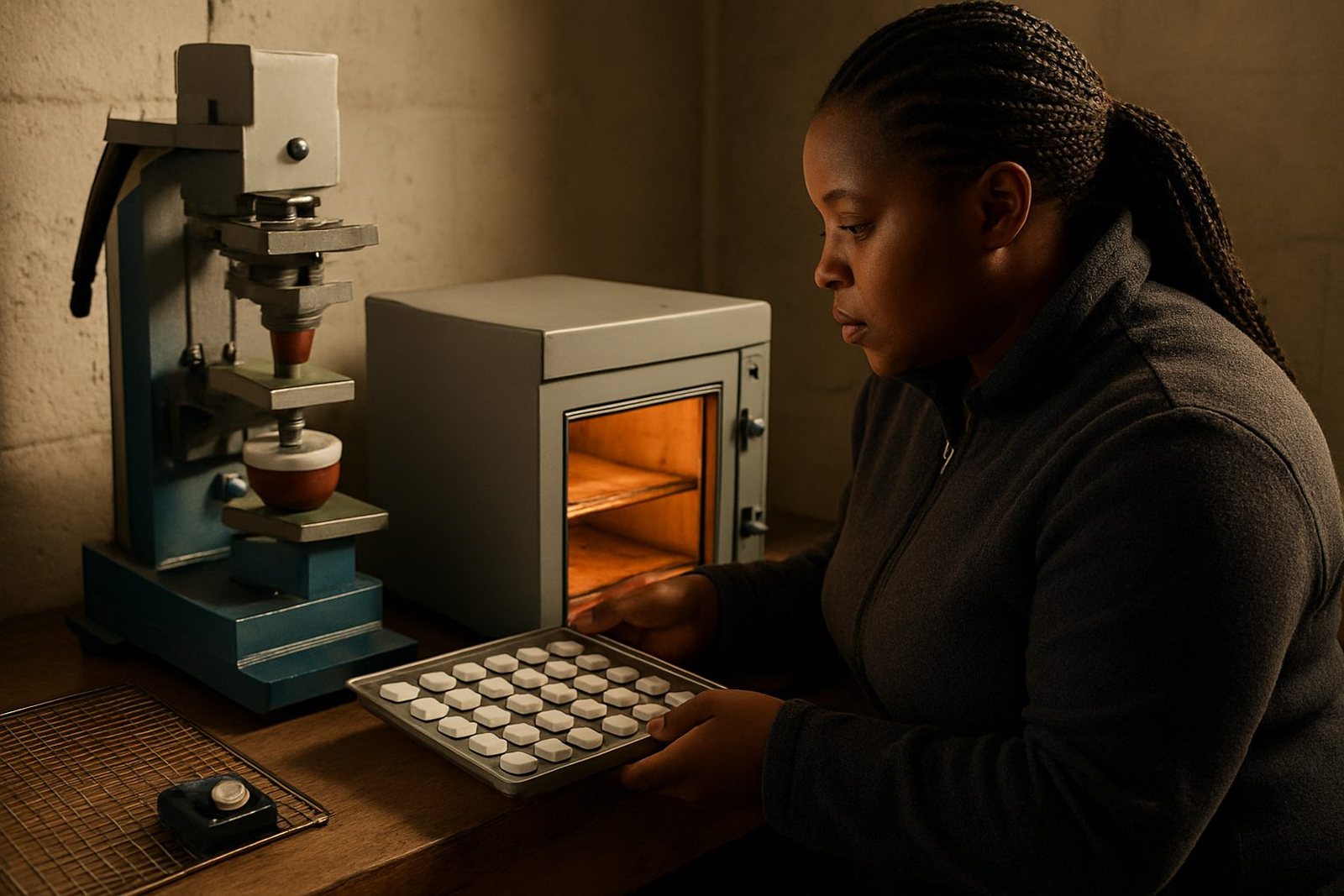
Where needed, we carry out adhesion test samples before a full run. This helps confirm whether the plastic surface needs pre-treatment, a different ink system or a change in curing method. On some jobs a quicker cure is suitable, while others need longer handling time to avoid marking before the ink has fully set. Good setup reduces reruns and keeps the print area consistent across cartons, trays and repeated batches.
When This Service Suits Medical and Electronics Manufacturers
Pad printing is often used where injection-moulded parts need a durable mark but the surface is too small, too curved or too irregular for other marking methods. Syringe part printing suits manufacturers that need legible identification on components moving through assembly, sterilisation prep, packing or quality checks. It also works well for related electronics parts where the same requirement applies: fine alignment, tidy print edges and stable adhesion on plastic.
We support manufacturers in Durban, Johannesburg, Cape Town, Pretoria and Gqeberha, as well as businesses in Pinetown, New Germany and Westville. Coastal humidity in Durban can affect drying and storage, so we take that into account when selecting cure times and dispatch packing. For inland sites, dust control and safe storage after printing are often the main concerns. The process is set up around your handling method, whether the parts move in trays, sleeves or bulk packed containers.
- Suitable for high-volume or smaller specialist runs
- Works with fine artwork and compact identification marks
- Useful where components are handled by operators or automated lines
- Can be adapted for tray-loaded or fixture-loaded parts
Care, Servicing and Rerun Control
For repeat syringe part printing, care starts with keeping the plate artwork, fixture settings and ink records in order. That makes reruns easier and helps prevent small shifts in alignment. Silicone pads wear over time and should be checked for surface damage, flattening or contamination. If a pad picks up dust, oil or residue from previous runs the transfer can become patchy or uneven.
Routine maintenance should cover cleaning the plate system, checking the ink condition, inspecting the fixtures, and confirming that the curing setup still produces the same result. If adhesion begins to vary, the cause may lie in the moulded part surface, the curing method, or a change in plastic material from a supplier. Store components in a clean, dry area before printing, and avoid unnecessary handling with bare hands. This simple precaution can prevent repeat work later, especially on fine medical parts where the print area is limited.
What to Check Before You Order Syringe Part Printing
Before placing an order, have the part sample, artwork and expected quantity ready so the print can be assessed properly. We need to know the plastic type if possible, the exact print location, whether the part is curved or flat, and if the mark must line up with a mould feature or assembly point. If there is existing artwork, send a clean version where possible so the plate can be prepared without redrawing everything from scratch.
It also helps to confirm whether the part will be exposed to handling, cleaning agents, packaging friction or storage in warm coastal conditions. Those details affect ink choice and cure time. For syringe-related components, even a small change in gloss, curvature or mould release residue can change the final adhesion. The more complete the brief, the better the sample result and the less rework you will face later.
- Part sample or drawing with exact print position
- Artwork in a clean, usable format
- Expected quantity and repeat order frequency
- Plastic type if known, plus any surface treatment history
- Storage, handling and curing conditions after printing
Run details
| Service type | Pad printing for syringe-related plastic parts |
|---|---|
| Typical mark size | Fine text, part codes and compact symbols on small print areas |
| Colour options | Single colour or multi-step print layouts where required |
| Substrate suitability | Moulded plastic components with flat, curved or recessed zones |
| Process options | Artwork preparation, plate exposure, test samples, curing method selection and rerun control |
| Coverage area | Westmead, Pinetown and manufacturers across South Africa including Durban, Johannesburg, Cape Town, Pretoria and Gqeberha |