
What Solvent Based Pad Printing Inks Do on Small Parts
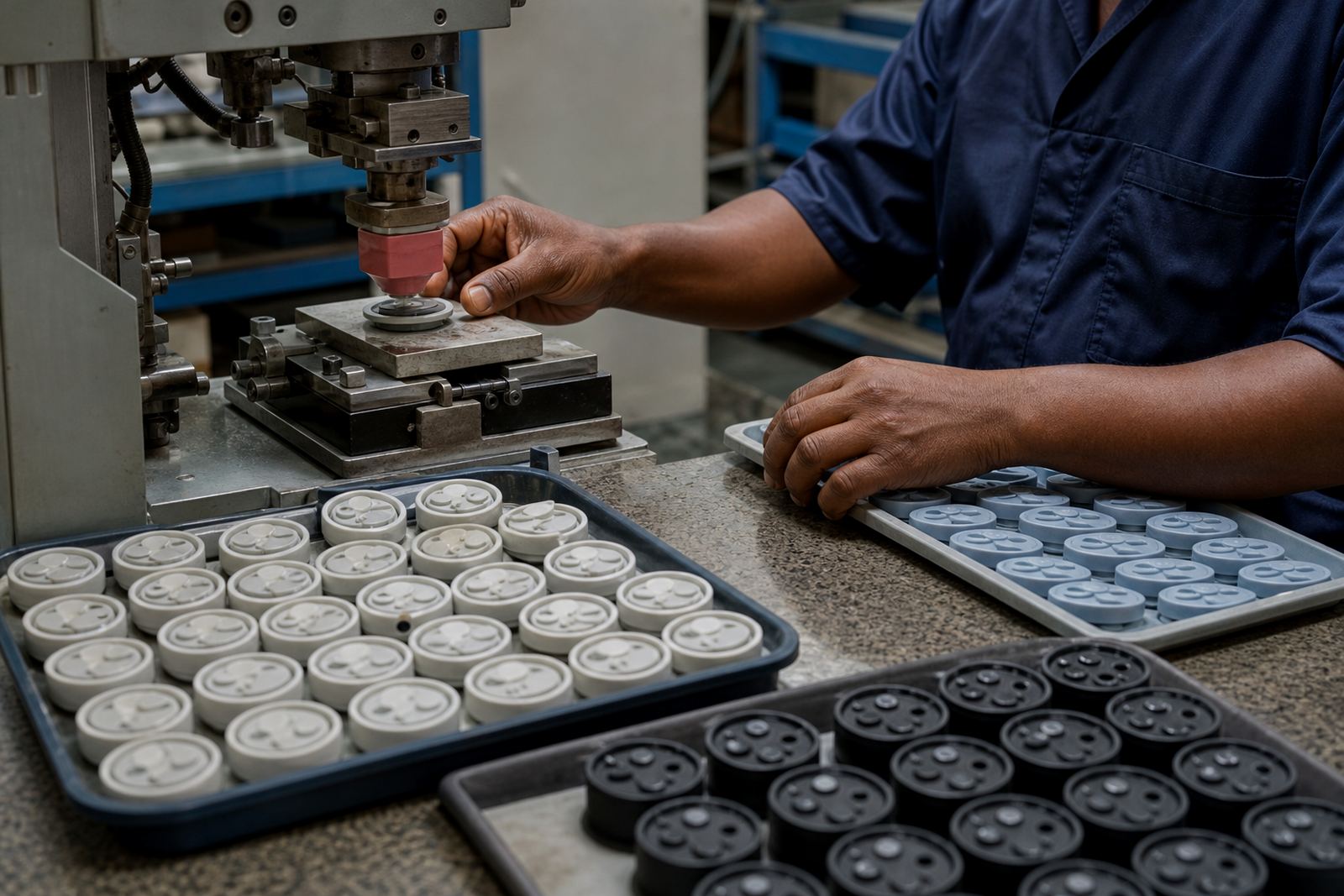
Solvent based inks are made for pad printing onto small, shaped and often awkward parts where a brush or direct print method will not give the same result. The ink is kept fluid enough to pick up on the pad, release cleanly onto the part, and then dry at a controlled rate so the mark holds its form. On medical and electronic components that can mean housings, knobs, caps, clips, connectors, faceplates and other parts where text, symbols or identification marks need to stay legible.
In pad printing, the etched plate carries the image, the silicone pad lifts the ink from the open etched area, and the pad then presses the image onto the component. Solvent based inks are used because they can work across many plastics and some metals, provided the surface is prepared properly. The key is matching the ink, the pad hardness, the plate depth and the curing method to the job. A small change in drying time or surface treatment can affect the final result, so sample runs are worth doing before full production.
For customers in Durban, Johannesburg, Cape Town, Pretoria and Gqeberha, the aim is a printed mark that is neat, durable and repeatable from batch to batch. Customers remain responsible for their own device compliance and product approvals, while we concentrate on the print process and the way the ink behaves on the part itself.
Sizes, Supply Formats and Mixing Options
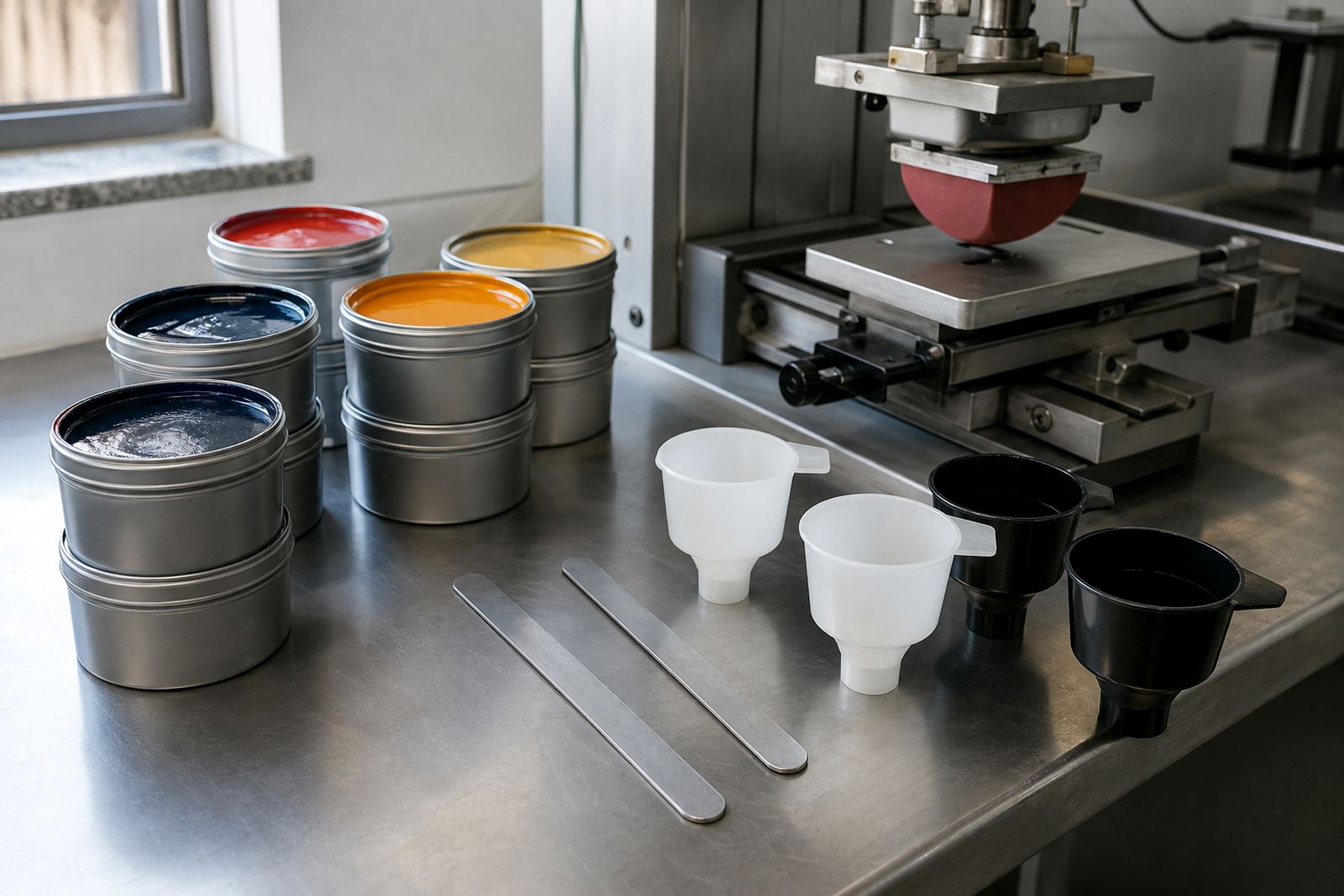
These inks are usually supplied in practical production sizes for trial work and ongoing runs. Common pack sizes include 1 litre, 5 litre and 20 litre containers, depending on the volume required and the number of colours in use. For smaller test work, a 250 ml or 500 ml sample size can be useful when checking adhesion or curing before a larger order.
We can also assist with basic colour matching, especially where a client needs a consistent logo shade or a warning mark that must sit clearly against a darker housing. Some jobs need a straight standard colour, while others need a slight adjustment to suit a moulded plastic colour or a brushed metal finish. Where a print area is tight, the ink mix may need a little more open time to suit the press speed and the pad dwell time.
- Available in sample, mid size and bulk production packs
- Useful for single colour marks, multi step artwork and repeat batches
- Can be adjusted for drying speed, open time and print feel
- Suitable for trial sample runs before full release to production
Where These Inks Suit Best
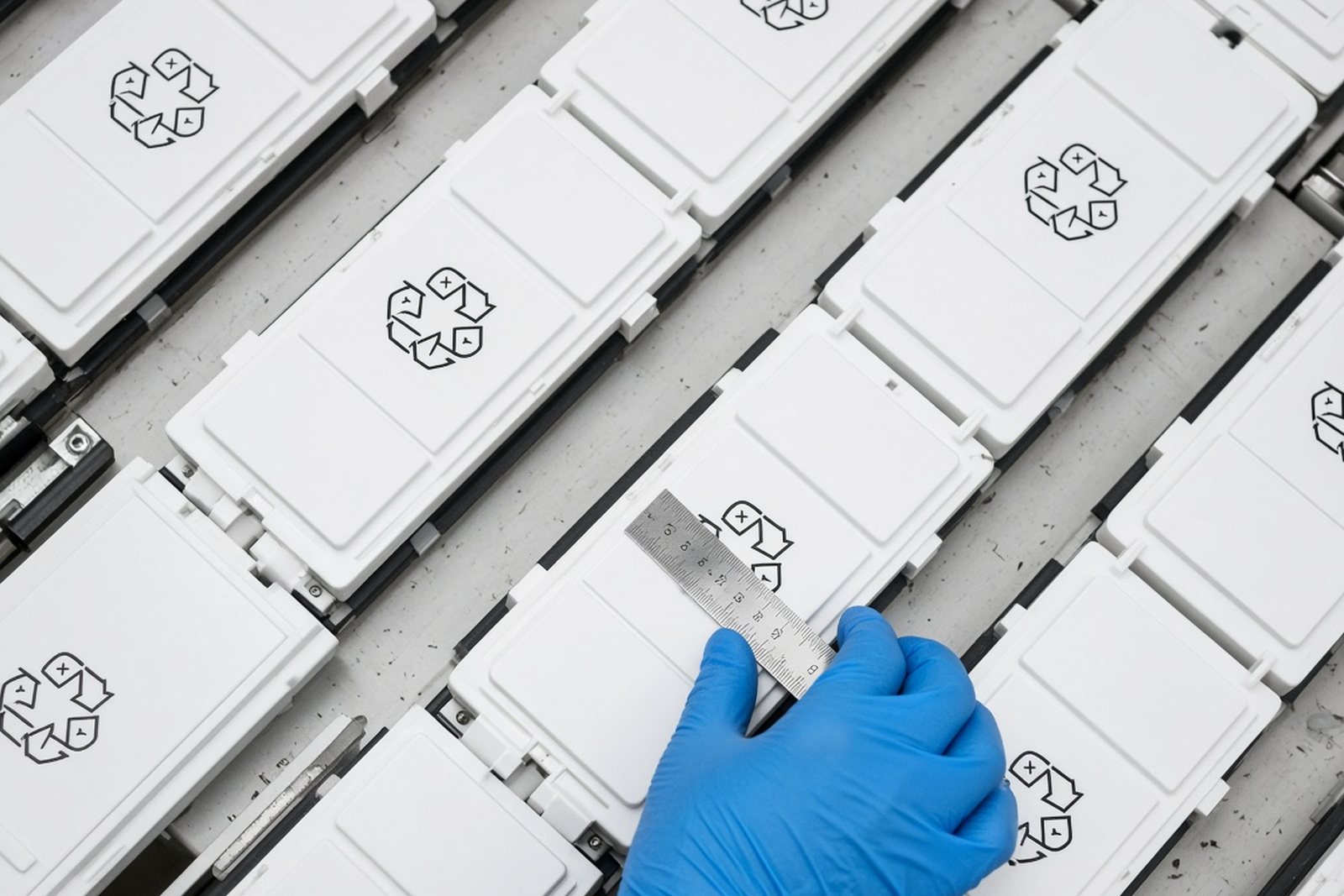
Solvent based pad printing inks are commonly used on ABS, PVC, polycarbonate, coated metals and many other production surfaces, subject to testing. They suit parts that need fine lines, small lettering, icons or serial style markings. In medical and electronics work, that often means control panels, moulded shells, handheld device parts, instrument covers, battery housings and interface pieces.
Because the ink dries by solvent evaporation and then cures further depending on the system used, the work area needs steady air flow and controlled handling. Coastal humidity in Durban can slow drying a bit, while a hot interior plant in Gauteng can speed it up. That is why setup matters. The same ink can behave differently on a cool morning in Pinetown compared with a warm afternoon in Pretoria, so the print room needs proper adjustment not guesswork.
- Works well for fine text, symbols, batch codes and identification marks
- Useful where the part has curves, ribs or small recessed sections
- Suitable for manufacturers needing repeatable print placement
- Best confirmed with adhesion test samples on the actual substrate
Trial runs and approval
There is no complicated installation for the ink itself, but the production area should be ready for safe handling and clean print conditions. A simple extraction setup, open airflow and sensible storage all help the print room stay manageable. The ink should be kept sealed when not in use and away from direct sun, heat or open flame.
Set up also includes the plate, pad, inks and fixtures working together. Poorly prepared fixtures cause movement, and movement causes registration issues. A proper first run will show whether the part needs a better nest, a different pad size or a slightly slower flash time between impressions.
Care, Storage and Servicing Between Runs
These inks last longer and perform better when the lids are closed properly, tools are cleaned after use and mixed ink is not left sitting on the bench. In a busy production room, dried skin in the cup or on the plate can affect transfer and lead to patchy prints. Regular cleaning of the plate, pad and any mix vessels helps prevent contamination between colours.
Storage should be in a cool, dry place out of direct sunlight. If a container has been opened often, check the viscosity before the next run and stir it thoroughly. In humid coastal conditions, some inks may need a little more attention to evaporation and flash off time. In drier inland plants, the issue can be the opposite, with the ink thickening faster than expected.
- Keep containers sealed between uses
- Clean pads and plates with the correct compatible cleaner
- Check viscosity before restarting a job after a break
- Do not mix old residue into fresh ink
Before you approve a run
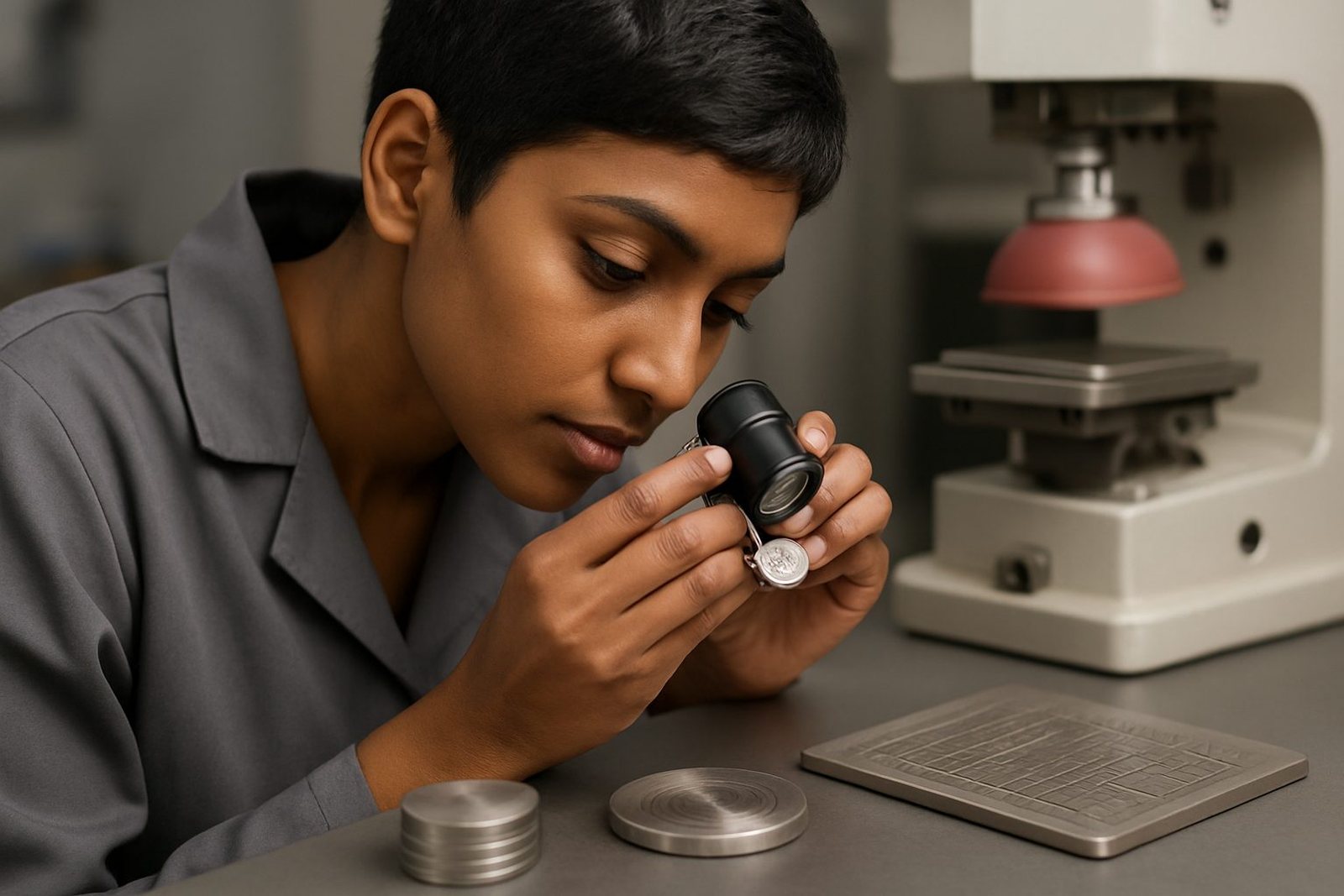
Before ordering solvent based inks, it helps to know the substrate, the final use of the part and the handling the printed piece will face. A decorative part has different needs from a component that will be touched often, sterilised, cleaned with chemicals or assembled into a powered device. The ink can be selected for general durability, but the customer still needs to confirm that the finished product meets its own compliance and performance requirements.
Useful order details include the exact material, whether the part is moulded or coated, the colour of the base surface, the print size, the number of colours and the intended curing method. Also note if the parts will be stacked, bagged, shipped nationally or used in a warm, oily or high-touch environment. That information helps us advise on plate depth, drying behaviour and whether a trial sample run is needed first.
Our team, led by Sibusiso Naicker, works with artwork, plate prep, test runs and rerun job control so the ink choice fits the actual job and not just the drawing. Clients across Pinetown, Durban, New Germany and Westville can reach us through the sample request form on our contact page, with supply support also available for Johannesburg, Pretoria, Cape Town and Gqeberha.
Run details
| Product type | Solvent based pad printing inks |
|---|---|
| Pack sizes | Sample, 1 litre, 5 litre and 20 litre packs |
| Drying method | Solvent evaporation with optional heat assisted curing |
| Typical substrates | Many plastics and coated or prepared metals, subject to testing |
| Print use | Fine text, symbols, logos, batch marks and identification details |
| Support services | Colour matching, adhesion test samples, trial runs and curing method selection |