

What Two Part Inks Do on Medical and Electronic Parts
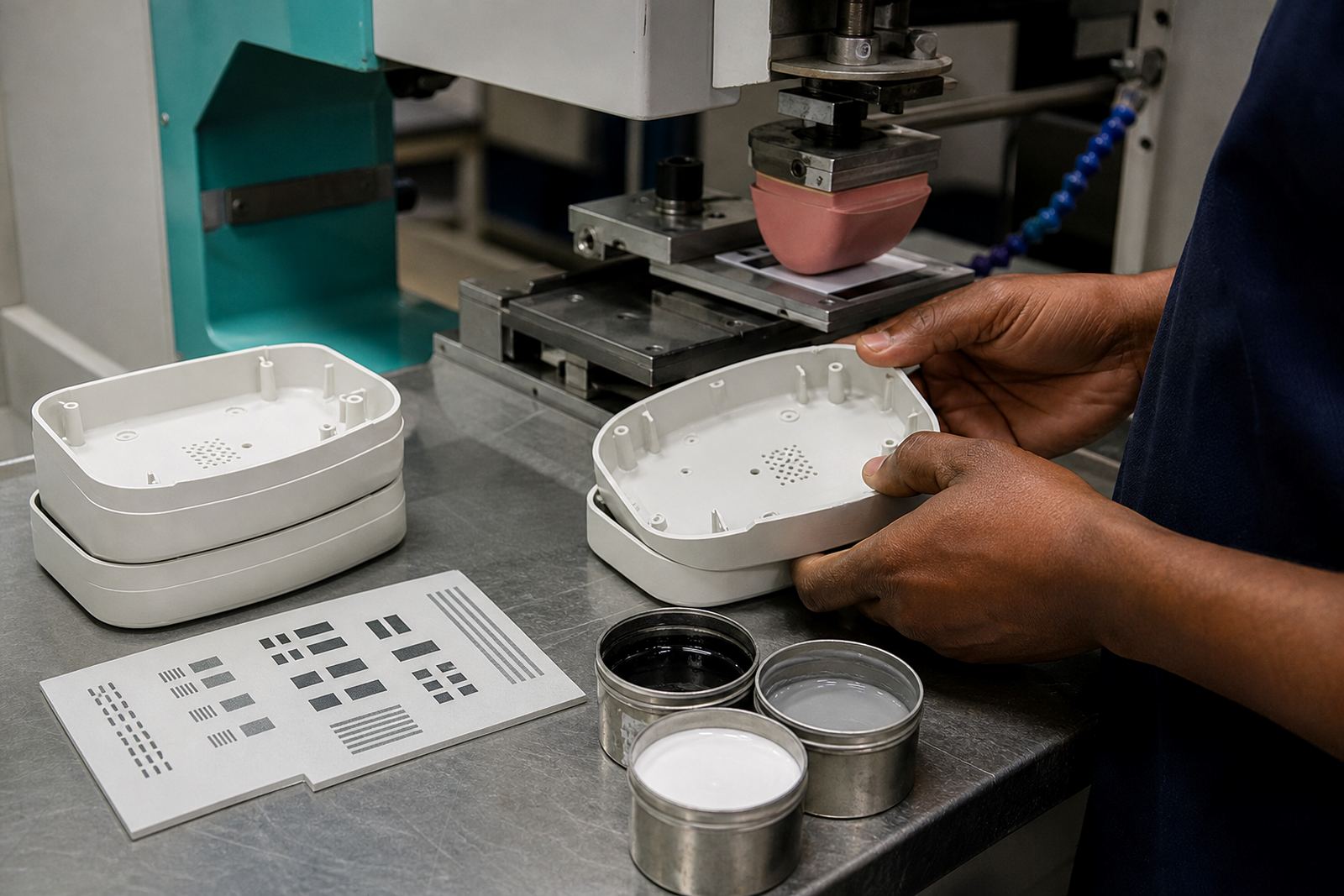
Two part inks are mixed with a hardener before printing so the ink film cures into a tougher finish than a standard single component system. In pad printing, the silicone pad picks up the image from the etched plate and transfers it onto shaped parts such as housings, knobs, caps, housings with curves, and small inserts where screen printing wont sit properly. Once the solvent flashes off and the cure completes, the mark becomes more resistant to rubbing, light cleaning chemicals and repeated handling.
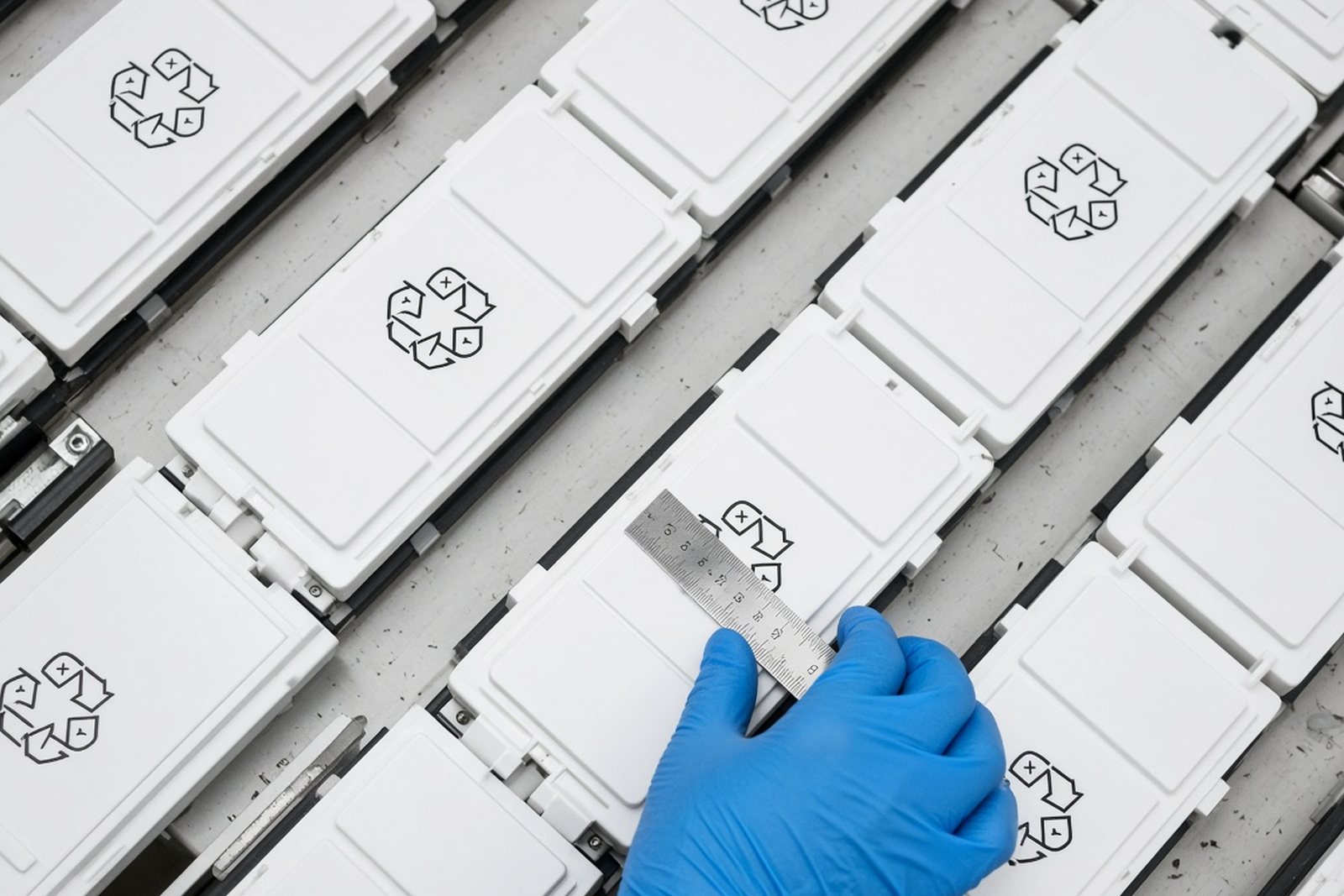
Consistency is the key point on medical and electronic parts. The print must stay sharp on smooth plastics, coated surfaces and small moulded features, with enough detail for logos, labels, part codes or warning marks. Two part inks are often chosen when the substrate is more demanding, for example where the part sees skin contact, disinfectant wiping, assembly line handling or heat during later processing.
Where This Ink Range Suits Best
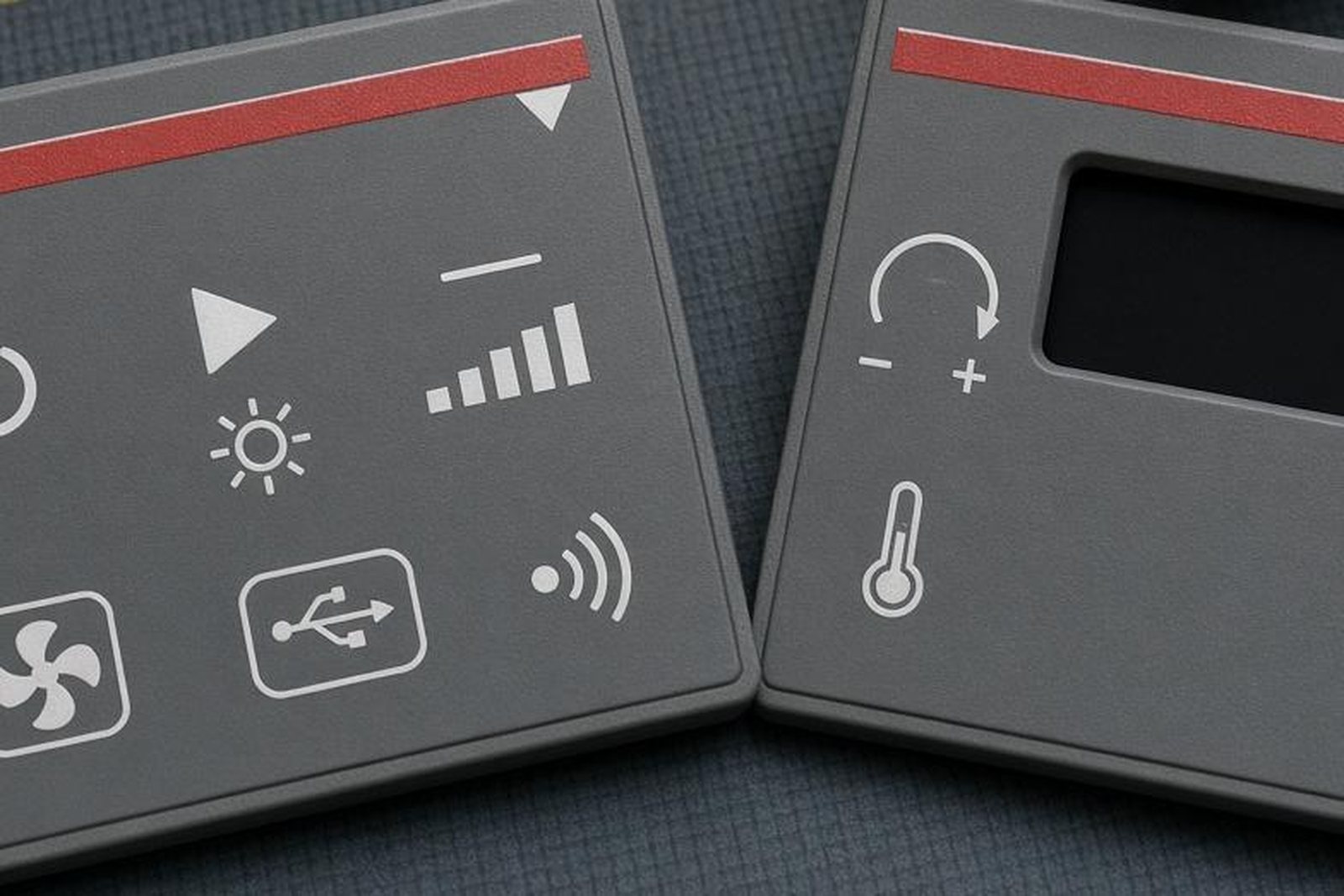
This product is suited to manufacturers working on plastic, coated and treated parts that need a stronger bond than standard pad printing inks can give. It is commonly used on medical device housings, handheld instrument parts, control panels, keypads, caps, caps for dispensers, connector covers and electronic enclosures. The finish can be set up for matt or semi gloss appearance depending on the job and the substrate.
- Small, shaped parts with tight print zones
- Parts exposed to handling, cleaning or assembly abrasion
- Components that need fine text, symbols or serial style marks
- Production runs where repeatability matters from batch to batch
It is also practical for sites in Durban, Johannesburg, Pretoria, Cape Town and Gqeberha where different parts and materials often run on the same line, but the print requirement stays exact. If the part has mould release residue, a low surface energy finish or an uneven curve, a trial sample is usually the first step before full production.
Mixing Ratios, Sizes and Print Setups
Two part inks are supplied as a base ink and a hardener, with thinner added where needed to suit the press, climate and image detail. The exact mix ratio depends on the specific ink family and the substrate being printed, so the job sheet must always be checked before mixing. On hot days in Durban or during humid coastal conditions, drying behaviour can shift a bit, which is why pot life and flash time need to be kept under control.
Typical setup choices include small trial quantities for testing, then production packs once the print is approved. The same system can be adjusted for single colour marking, multi colour work, or repeat jobs where the plate and fixture are already set. A proper trial sample run helps confirm opacity, edge sharpness and bond before the main batch is released.
- Base ink plus hardener system
- Optional thinner for flow and transfer control
- Short pot life after mixing, depending on product type
- Suitable for manual and automated pad printing lines
Curing, Drying and Line Conditions
Two part inks do not simply air dry like a light duty marking ink. They need the solvent to flash off and the catalysed reaction to complete, which can happen at room temperature or with controlled heat depending on the production setup. Some lines use ambient curing, others use warm air or a curing station to speed up handling. The right method depends on the part material, the ink system and how fast the parts must move to packing.
If the parts are going straight into assembly, careful curing becomes even more important because premature handling can dull the print or reduce adhesion. A well planned cure cycle also helps avoid print transfer onto trays, racks or packaging.
- Ambient cure for slower but simple production flows
- Warm air or oven support where cycle time is tighter
- Drying racks, clean trays or fixtures to prevent marking damage
Care, Shelf Life and Repeat Job Control
Like most catalysed systems, two part inks need correct storage and disciplined housekeeping. Keep containers tightly closed, store them in a cool dry place and never return mixed ink to the original stock. Once the hardener is added, the usable time starts counting down, so only mix what the job can use within the stated pot life. If the mix thickens, skins over or prints start losing transfer quality, it is time to stop and remix fresh material rather than push on.
For repeat jobs, record the mix ratio, thinner amount, curing method and print result so the next run can be matched properly. That sort of control saves time on medical and electronic parts where even a small shift in colour tone or mark sharpness can cause rejection. It also helps when the same component is reordered months later and the client expects the same finish as the first batch.
- Store sealed, cool and away from direct sun
- Use clean mixing cups and stirrers every time
- Label mixed batches with time and date
- Keep print plates, fixtures and artwork notes with the job card
What to Check Before You Order Two Part Ink
Before placing an order, check the substrate type, the surface finish, the required colour, the curing method and whether the part will be handled with gloves, cleaned with alcohol or exposed to heat. The artwork size, font size and line thickness also matter because a fine mark that looks fine on screen may not print cleanly on a curved or textured part. If the component is critical, ask for adhesion test samples and a trial run before full release.
You should also confirm whether the job needs logo redraws, colour matching, fixture making, rerun job control or dispatch packing support. For manufacturers across South Africa, from Durban to Johannesburg and Cape Town, getting these details right at the start keeps the pad printing process steady and avoids delays. If the part is intended for a regulated device, the customer remains responsible for device compliance and the final approval of the marking.
Run details
| Product type | Catalysed two part pad printing ink system |
|---|---|
| Use case | Medical and electronic component marking |
| Cure method | Ambient cure or controlled heat cure depending on setup |
| Mixing | Base ink plus hardener, with thinner as needed |
| Finish options | Matt or semi gloss depending on substrate and print spec |
| Typical application | Small formed parts, housings, control panels, inserts and similar components |