
What Polymer Plate Making Does for Pad Printing
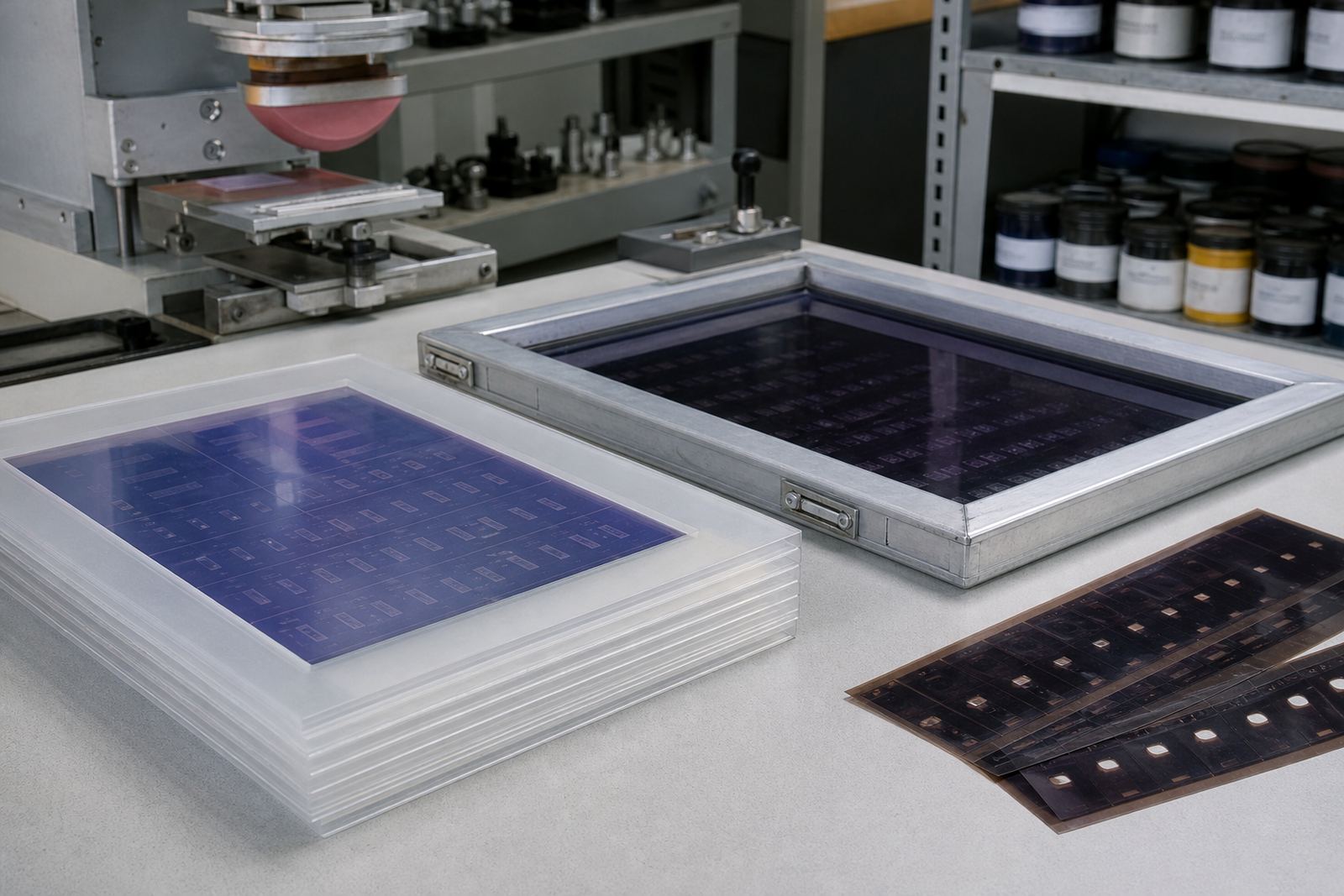
A polymer plate carries the etched artwork that the pad printing process picks up with ink and transfers to a part using a silicone pad. For suitable jobs, polymer plates are a useful option when you need clear text, symbols, part codes or logos without committing to heavier tooling. They suit development work, smaller production batches and products that may need artwork changes as the part design settles.
In medical and electronic work, the image often has to sit inside a tight print area and still read cleanly. A well made polymer plate helps control the print depth and ink release, so the pad can lift an even layer and place it where it belongs. That matters on buttons, housings, clips, switches, syringe components, housings, controls and other moulded parts with curved or uneven surfaces.
Polymer plates are not the answer for every job. If the run is long, the artwork is highly detailed or the wear rate is too high for the intended use, another plate type may be a better fit. We guide clients on that choice so the plate matches the component, the ink system and the production schedule.
Sizes, Thicknesses and Artwork Options
Plate size is chosen around the artwork footprint and the machine format. We work to the actual print area rather than a one size approach, which helps with layout and plate life. For many component jobs, smaller plates are more efficient because they reduce unused area and make changeovers easier.
Common ordering points include:
- overall plate size to suit the machine and image area
- plate thickness to match the plate holder and image depth requirements
- single image or stepped layout for multi part work
- fine text, linework, logo redraws and part numbering
- registration marks where repeat alignment is needed
Artwork should arrive clean and readable, with any small text checked at actual size. If the supplied file is not suitable for plate work, we can redraw it for printing use, keeping line weights and spacing practical for the part size. This is especially useful when a logo was originally created for general marketing use and not for a small curved surface.
Where Polymer Plates Suit Medical and Electronic Parts
Polymer plates are often chosen for parts that need quick setup and a reliable, controlled print without heavy tooling costs. They are a sensible fit for development work, sample approval, spare part marking and product lines that change often. In Durban and inland factories alike, that can mean shorter lead times and less waste while a line is being set up.
They suit:
- medical device housings and accessory parts
- keypads, control panels and switch covers
- battery compartments, cases and clip on parts
- small plastic or coated components with limited print area
- trial batches before a final production method is locked in
Clients remain responsible for their own device compliance and product approvals. Our role is to supply the plate and printing support needed for accurate marking, not to decide the regulatory route for the finished product. If a marking must stay legible after handling, cleaning, sterilisation or repeated use, that requirement should be confirmed before the plate is ordered.
How the Plates Are Produced and Used
The process starts with artwork checking and print area planning. After that, the image is exposed onto the polymer plate and the non-image areas are developed away to create the print face. Plate etching depth, exposure time and drying conditions all affect how the ink sits and how cleanly the pad picks it up.
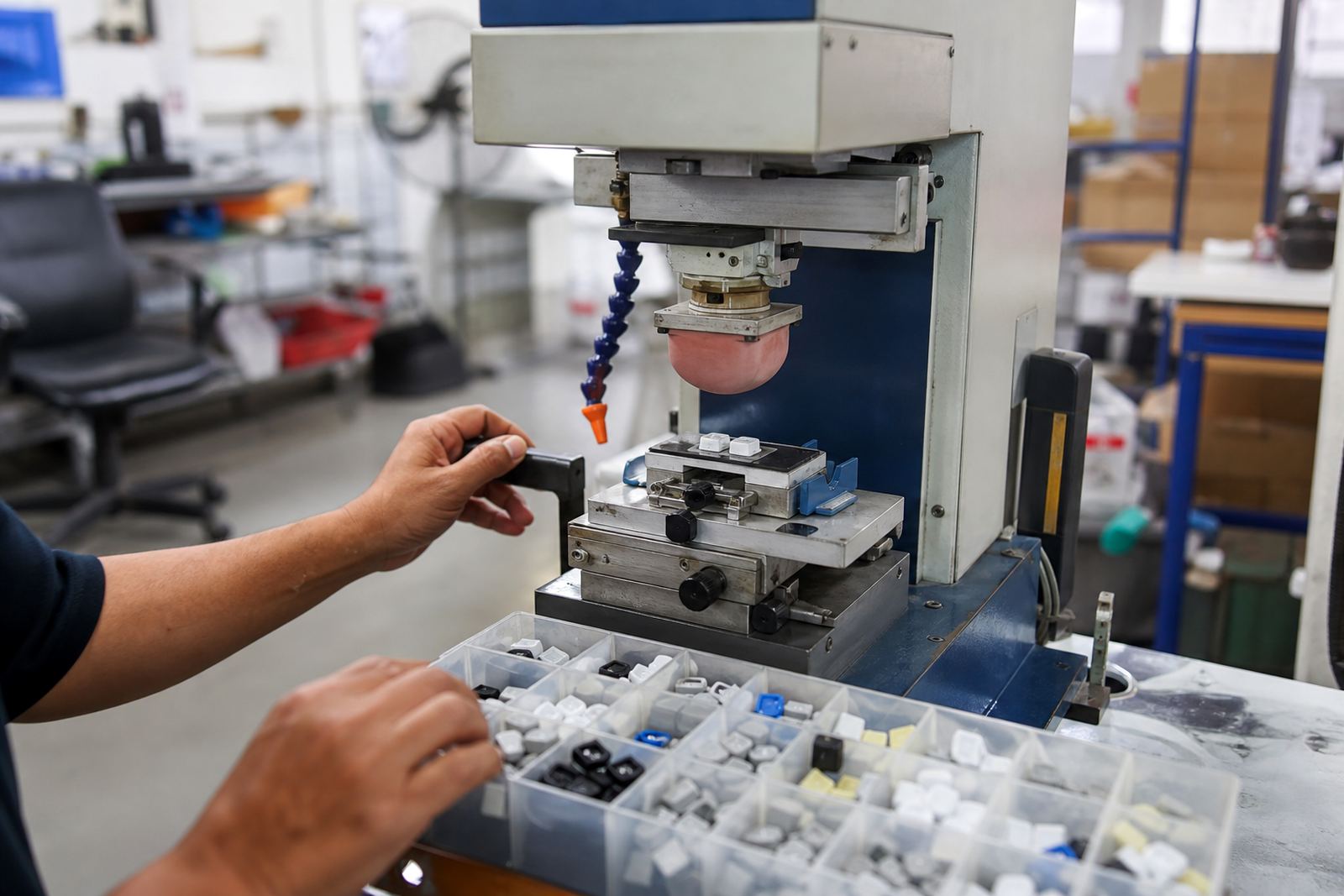
For pad printing, the plate must work with the full system, not on its own. That means matching the plate to the ink, the pad shape, the fixture and the curing method. On some jobs, air drying is enough. On others, a heat cure or controlled curing stage is needed for better handling and wear resistance. We select the approach around the component and the production environment, including hot, humid coastal conditions where drying times can shift during the day.
Care, Storage and Reuse on the Production Floor
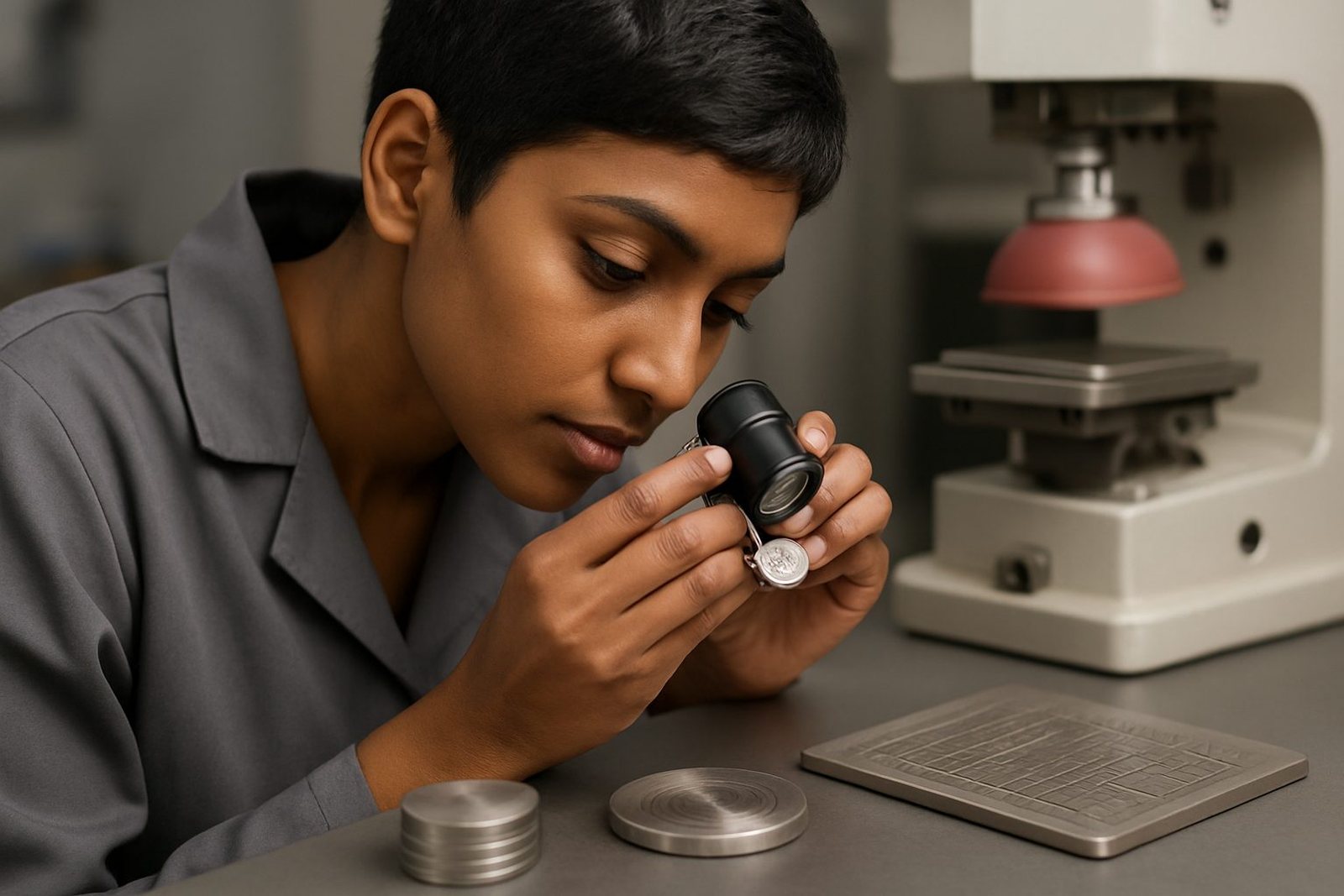
Polymer plates should be handled with clean hands or gloves, kept flat and stored away from dust, direct sun and high heat. Scratches, solvent spills and rough cleaning can shorten plate life, so the handling routine on the shop floor matters. If a plate is being reused for rerun work, it should be checked for wear at the etched image and for any damage around the edges.
Good care practices include:
- wiping plates with the correct cleaning medium after use
- storing plates in sleeves or flat trays
- keeping plates away from sharp tools and metal swarf
- labelling plates clearly for rerun job control
- checking the first samples after a change in ink, pad or cure
Where a job is repeated after some time, we recommend a fresh check on print depth and image condition before full production starts. A plate that looked fine in the last run may behave differently if the ink system or part finish has changed.
Before you approve a run
To avoid delay, it helps to send the right details with the order. The more exact the brief, the easier it is to produce a plate that works on press first time. If the part is being printed in Johannesburg, Cape Town, Pretoria or Gqeberha, the same practical details apply even when the order is shipped from Pinetown.
Please confirm:
- part name and material type
- actual print area in millimetres
- artwork file or clear artwork reference
- single colour or multi colour plan
- run length and whether it is a trial or production job
- ink curing method and any surface treatment already in place
- sample requirements if the first print must be approved before full run
If you are unsure about the plate size or whether polymer is the right option, we can look at the component and advise on a practical route. That can save wasted setup time and help keep reruns under control, especially where the product line is still changing.
A Westmead Plate Room With Medical Part Experience
PadPrinters Medical works from Westmead, Pinetown and supports manufacturers across Durban, Johannesburg, Cape Town, Pretoria and Gqeberha. Our team includes artwork, plate, quality and machine setup staff who understand the small details that affect pad printing on medical and electronic parts. That includes plate exposure, plate etching, fixture making, trial sample runs and rerun control when a job is repeated later.
For polymer plate making, the goal is not just to make a plate fast. It is to make a plate that gives clear transfer, fits the production method and holds up for the intended run. Whether the job is a short development batch or a repeat order, we keep the process practical and focused on the part in front of us.
Run details
| Product | Polymer plate making for pad printing |
|---|---|
| Typical use | Shorter runs, trial work, part changes and development samples |
| Artwork suitability | Text, logos, linework, part codes and small image areas |
| Common plate inputs | Artwork file, print size, part material, ink and cure method |
| Process stages | Artwork preparation, exposure, etching, checking and dispatch packing |
| Service area | Pinetown, Durban, Johannesburg, Pretoria, Cape Town and Gqeberha |