
What curved surface printing does on real parts
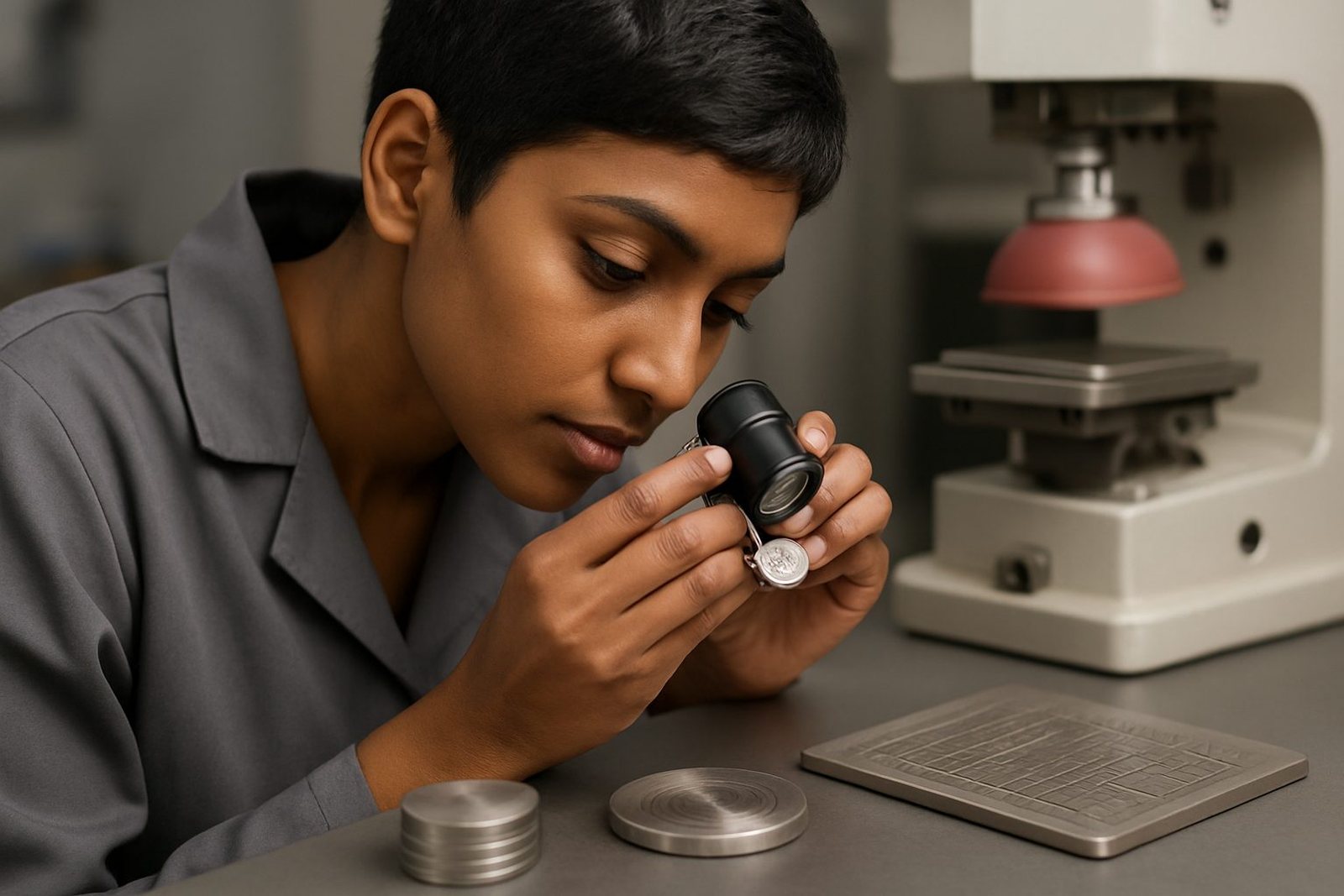
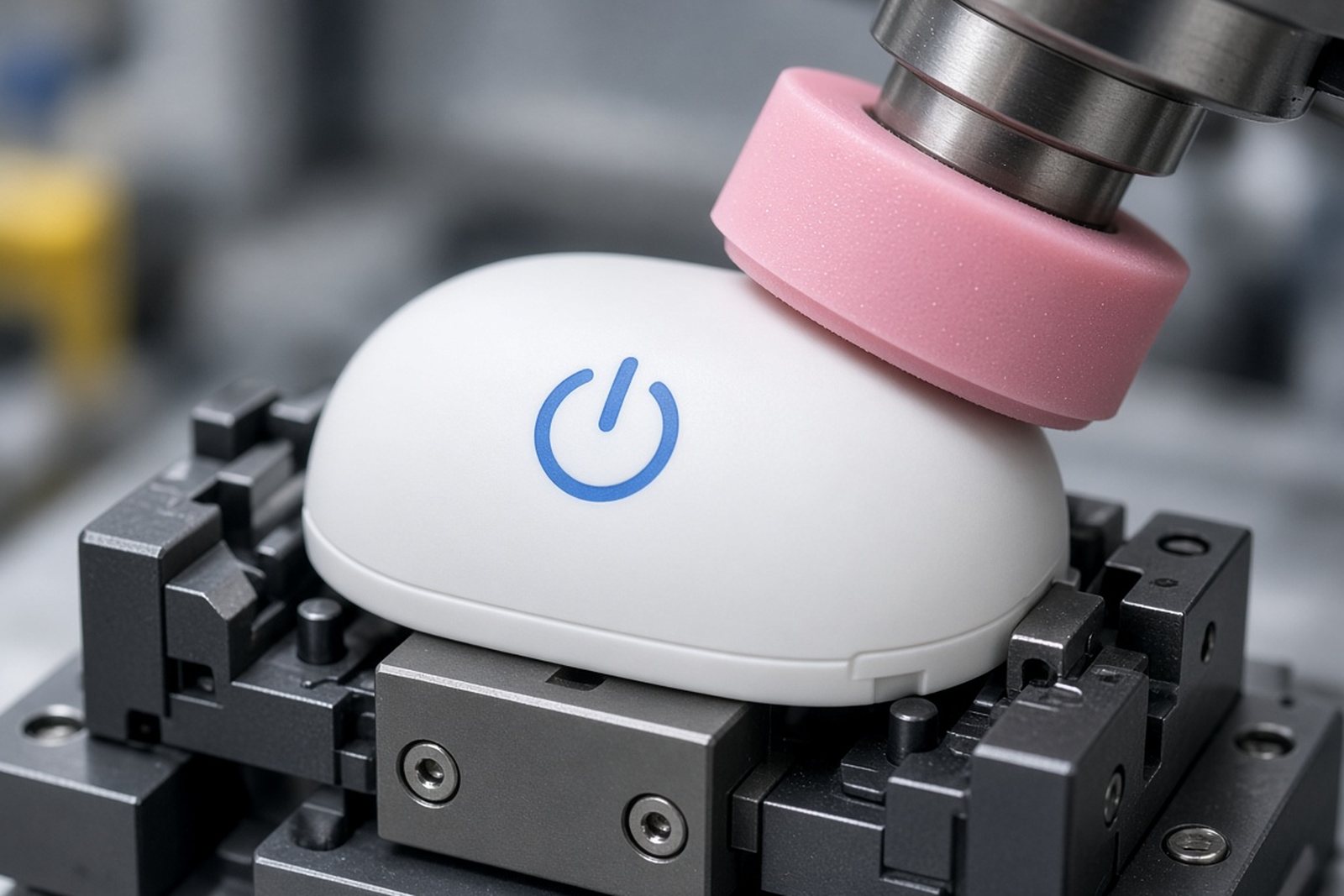
Curved surface printing is a pad transfer process for items with radius, texture or a form that moves away from a flat face. A design is etched into a plate, filled with ink, then lifted by a silicone pad and pressed onto the part. The pad flexes to follow the profile, which helps the image land on housings, caps, knobs, connectors and other difficult shapes. On medical and electronic parts the mark must be placed consistently, carry clear detail and suit both the material and the cleaning regime it will face.
At our base in Westmead, Pinetown, we set up curved part jobs for manufacturers from Durban, Johannesburg, Cape Town, Pretoria and Gqeberha. The work often starts with sample parts and a trial run, because the curve, surface finish and plastic grade all affect how the ink behaves. For some jobs, a slight fixture change or a different curing method makes the difference between a decent print and one that holds up in use. Customers remain responsible for their own device compliance and product approval, we focus on the marking itself.
Parts and sizes that suit pad transfer
This process works well on small to medium components, especially where the print area is narrow or the surface is not flat enough for screen work. Common examples include pen-style bodies, actuator covers, dial surrounds, switch housings, syringe-related accessories, control knobs, sensor shells and handheld device parts. It can also handle uneven areas where a label would lift or a direct print would smear.
- Typical print areas: from small logo marks to multi-line legends on compact housings
- Part shapes: round, domed, tapered, ribbed, recessed or slightly textured
- Materials: many plastics, coated parts and some metal components after testing
- Mark types: logos, icons, serial fields, warning text, directional marks and colour codes
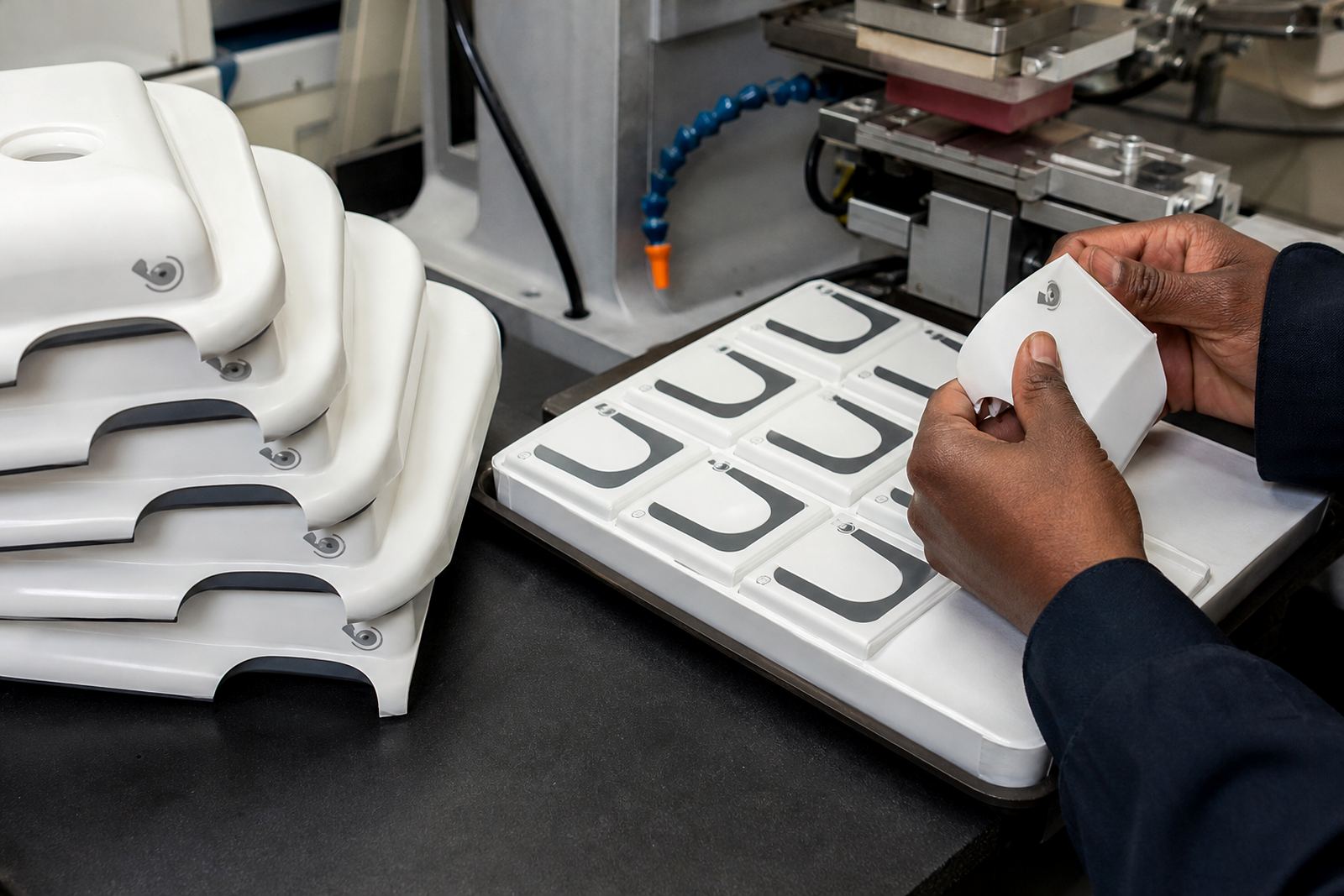
The actual size limit depends on the part shape, the fixture and how far the pad must stretch to land the image cleanly. Very sharp edges, deep grooves and high-gloss curves need extra checking because they can pull ink away at the edges. If the component sits in a tray or assembly line nest, we can plan the print orientation around that handling method. That saves time later and helps keep the mark in the same position every run.
Where curved surface printing is used in South African production
This method suits manufacturers that need repeatable marking on parts assembled in batches or supplied to different sites across the country. In medical manufacturing it is often used for external device parts, instrument handles, caps, control faces and accessories that need clear identification. In electronics it is common for enclosures, control panels, handheld devices, battery covers and interface pieces. It is also useful for spares and replacement parts where the mark must still match the original layout.
For coastal areas like Durban and Gqeberha, ink choice and drying control matter because humidity can slow curing and affect adhesion. We plan around production breaks, machine warm-up and safe restart steps so the job does not drift halfway through the batch.
- Best for short legends, logos and functional markings
- Useful where the part will be handled, wiped or assembled after printing
- Suitable for production lines that need a dependable repeat run
Sampling and setup
Curved surface printing is usually carried out in a workshop or production area with a stable bench, clean air and enough room for fixtures, plates and sample parts. Exact demand depends on the setup, but a normal industrial supply is preferred so the machine, lighting and curing stage can run without nuisance trips.
Good setup is about more than the machine. You also need a clean area for artwork, plate exposure and job control, plus packing space for finished parts. Fixtures matter as well because a curved piece must sit the same way every time. If the part twists, rocks or shifts even a little the print can move off position. For that reason we often prepare trial samples and fixture checks before a full order is released.
- Space for machine, fixture changeovers and sample inspection
- Clean handling area to reduce dust, finger marks and scuffing
Ink, curing and care after printing
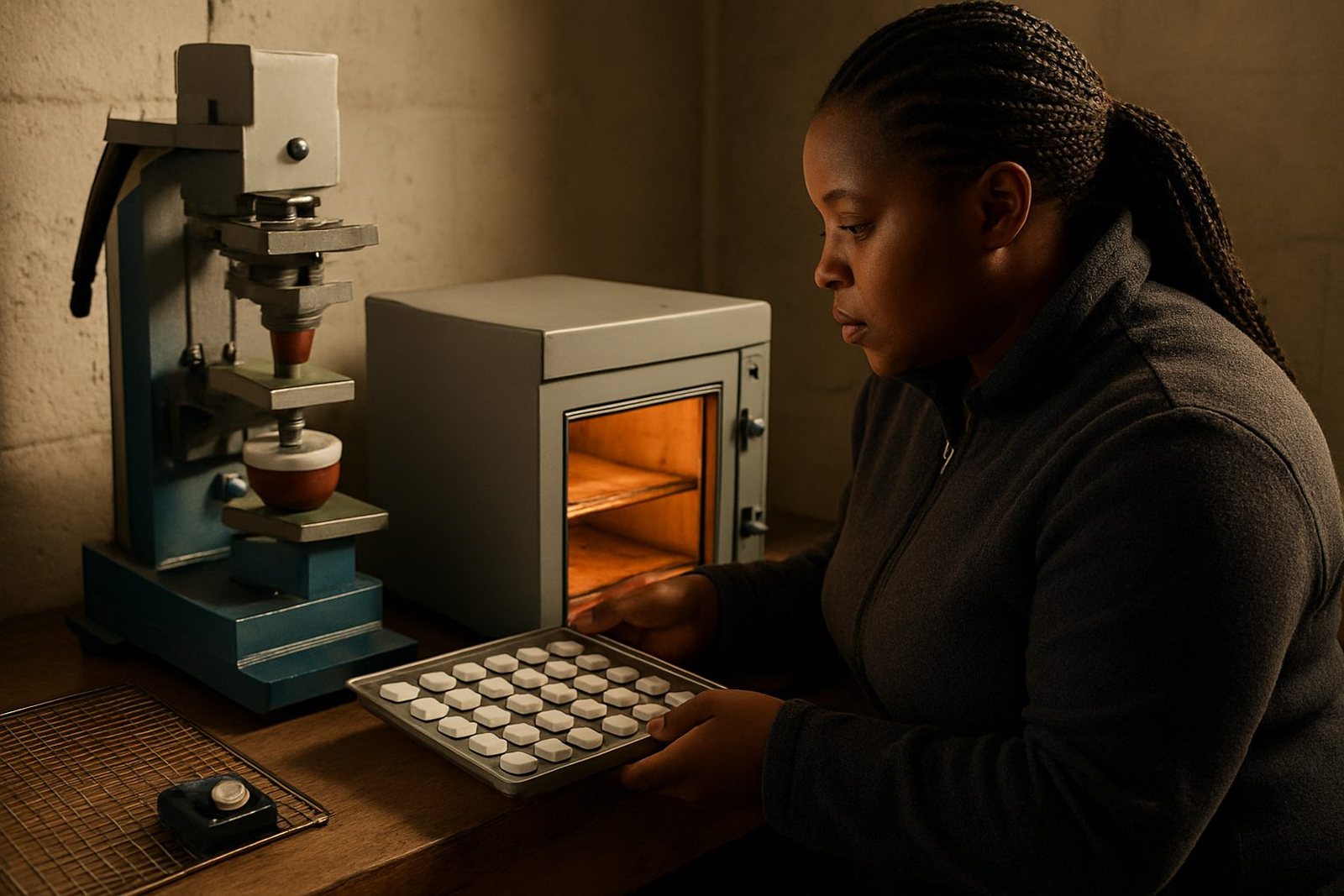
Ink choice depends on the substrate, the finish and the duty the part will face. Some plastics need stronger adhesion prep, while others accept a standard ink after a test sample. Curing can be by air, heat or UV depending on the job, and the selected method must suit the part material as well as the turnaround time. The mark should be dry, settled and checked before packing, especially if parts are stacked or bagged close together. A rushed cure can cause rubbing or transfer later on.
For ongoing care, keep printed parts away from harsh solvents and rough handling until the ink has fully cured. If the item is used in a cleaning routine, test that routine on samples first. Occasional dusting of the fixture, regular check of pad condition and plate cleaning between runs all help keep the print consistent. Silicone pads do wear over time, and a nick or flattening will show up in the image, so routine servicing is worth doing before quality starts slipping.
What matters before placing an order
Before sending parts for curved surface printing, check the artwork, the print position and how the component will be handled after marking. It helps to confirm whether the part is supplied loose, in trays or already assembled, because that affects fixture design and packing. If the mark includes a small font or fine line work, ask for a sample first so the legibility can be checked on the actual material. We also advise confirming whether the print needs to survive wiping, abrasion or later sterilisation steps, because those conditions affect ink and cure selection.
- Part material and finish, including any coating or mould release residue
- Exact print area, orientation and acceptable tolerance around the edges
- Artwork format, font size and whether a logo needs redraws
- Expected handling, cleaning and storage conditions after printing
- Quantity, repeat order needs and whether rerun job control is important
PadPrinters Medical supports clients from Pinetown Printing Support, Durban Manufacturers, Johannesburg Supply, Pretoria Supply, Cape Town Supply, Gqeberha Supply, New Germany Support and Westville Support. Enquiries come through our contact page form, and we use that to gather the part details, sample needs and production timing before we start.
Run details
| Process | Silicone pad transfer printing onto curved and irregular surfaces |
|---|---|
| Typical parts | Rounded housings, caps, knobs, connectors, covers and small enclosures |
| Print options | Single colour, multi-step marking and fine detail where the part allows |
| Curing methods | Air dry, heat assisted or UV, selected to suit the material |
| Location | Westmead, Pinetown, with South African supply to major manufacturing centres |