
What serial number printing does on small parts
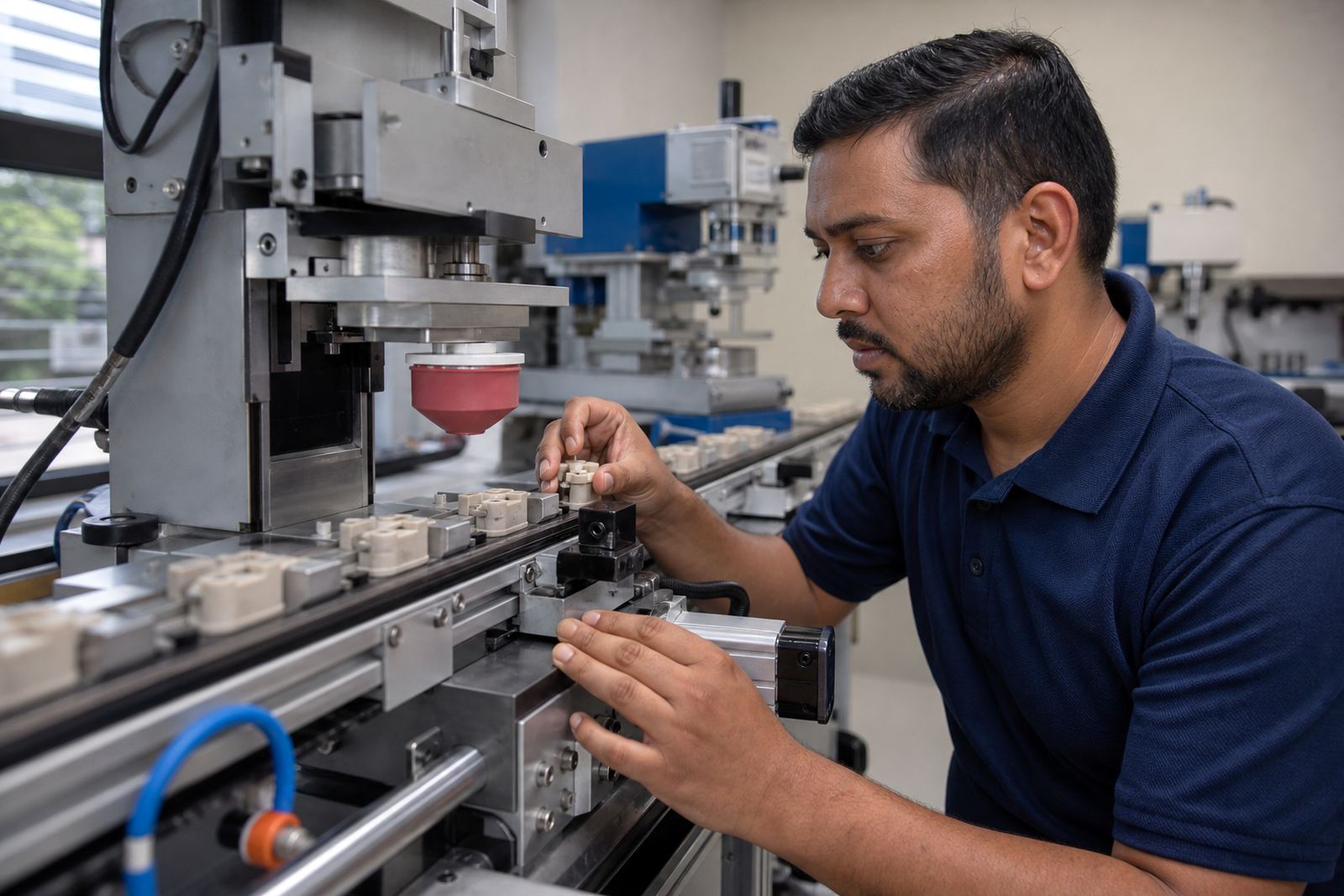
Serial number printing places a fixed or variable identifier onto a part surface using a silicone pad, etched plate and suitable ink system. The image is transferred from the plate to the pad, then from the pad to the component in one controlled motion. It suits curved, recessed and textured areas better than many flat-only marking methods, which is why it is often used on housings, control parts, casings, brackets and moulded components.
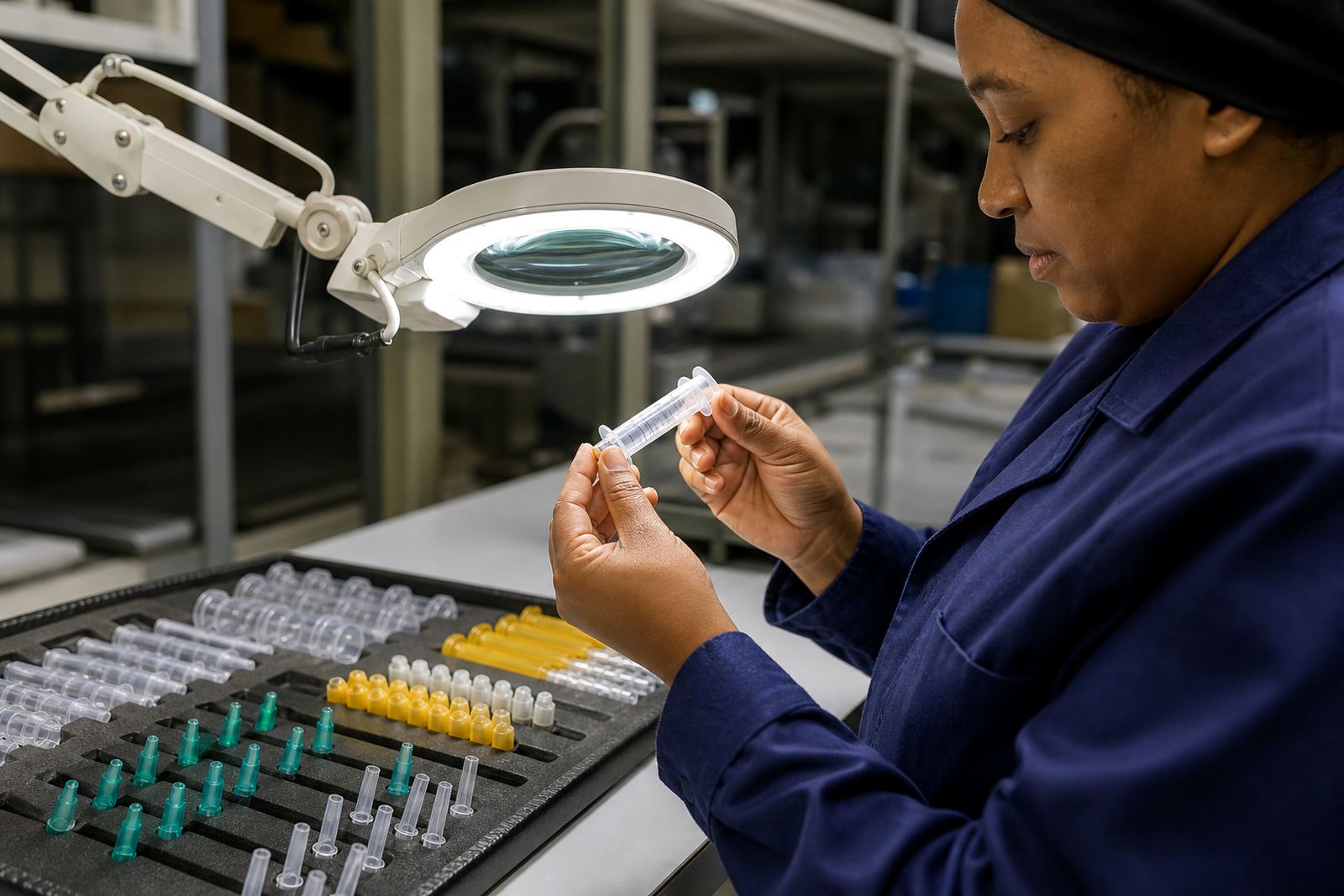
Legibility and repeatability are the main goals on medical and electronic parts. Numbers must stay readable through handling, cleaning, storage and normal use. The print area may be very small, so the layout needs proper spacing, font choice and a clear decision on whether the serial number is fixed, sequential or linked to a batch code. We plan the layout before production starts, so the marking sits where operators can see it and where downstream assembly does not cover it.
Because customers remain responsible for their own device compliance, the print method must be matched to the product, material and intended use. We assist with the marking process and trial samples, while the customer confirms what their product requires for traceability and compliance on the finished item.
Typical sizes, layouts and marking options
Serial number printing is usually set up as a very small mark, but the exact size depends on the part and the available flat or contoured area. On compact electronic components, the mark may be only a few millimetres high. On larger mouldings or housings, there is room for a longer code, barcode-style layout or human-readable line with batch data beside it.
- Character heights from around 1.5 mm upward, depending on legibility and space
- Single-line or two-line layouts for batch code plus serial number
- Fixed numbering, incremental numbering or customer supplied numbering sequence
- Black, white or matched colour ink where the substrate allows it
- Gloss, matt or satin ink finish, selected for contrast and handling conditions
The part material matters. Plastic, coated metal and some treated surfaces can usually be handled with a suitable ink and curing approach, while other materials need a sample test before production is signed off. Coastal humidity, mould release residue and oils from handling can all affect adhesion, so the substrate is checked before any full run is started. In Durban and other coastal areas, that step is especially important.
Where serial marking suits medical and electronic production
This service suits manufacturers that need clean identification on parts made in quantity, with enough consistency to support packing, sorting and after-sales tracking. It is commonly used on items that are too small, too curved or too irregular for standard labelling methods.
Good applications include:
- Medical device housings and accessory parts
- Electronic enclosures, switch panels and control covers
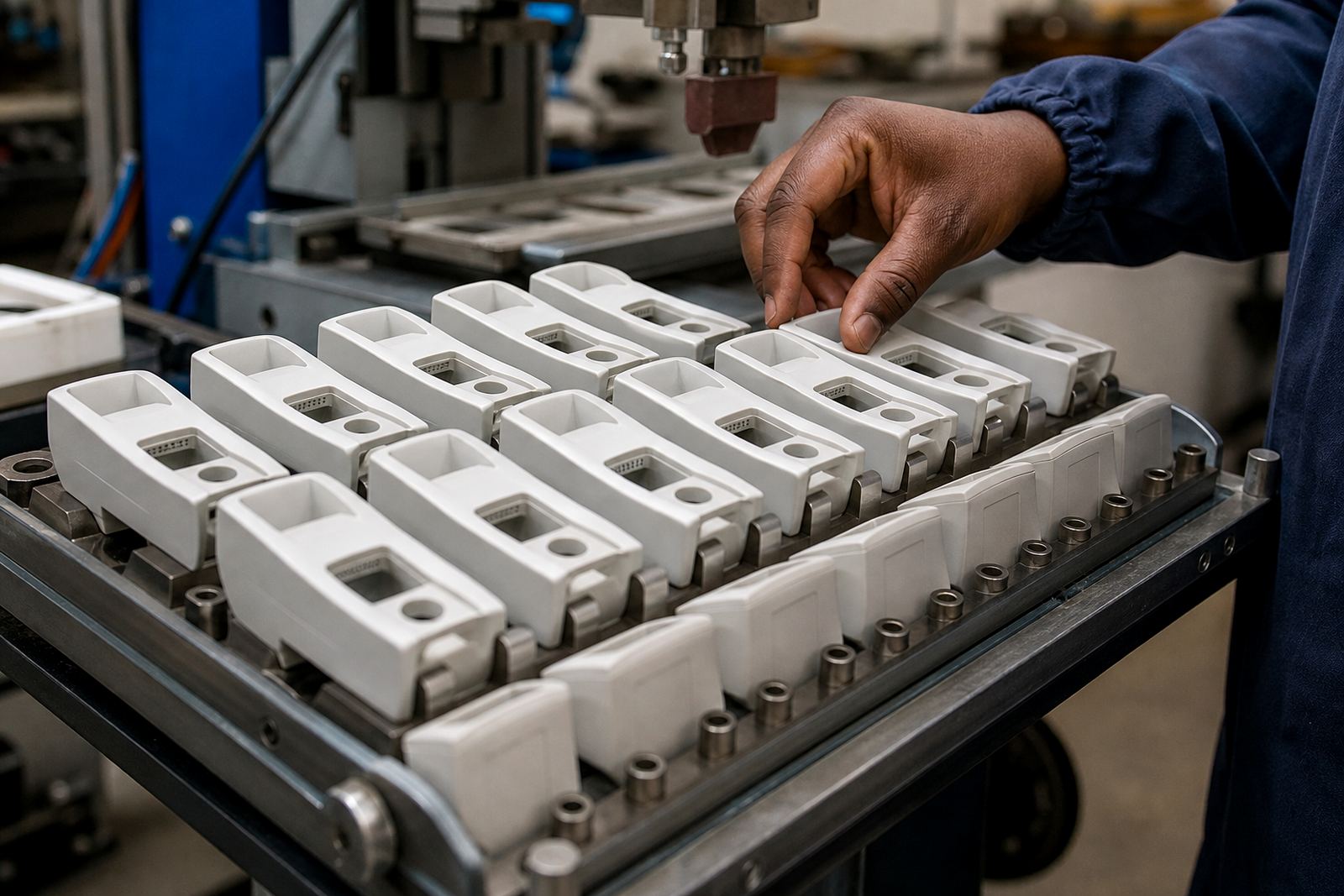
- Component shells, adaptor bodies and small moulded assemblies
- Instrument parts that need batch references or inspection codes
- Parts that move through kitting, assembly and dispatch in separate stages
For manufacturers in Pinetown, Durban, Johannesburg, Cape Town, Pretoria and Gqeberha, the main benefit is reliable identification across rerun batches. Once the print area, plate and curing method are set up, the same code format can be repeated or adjusted as needed for new production. That helps teams track components without adding bulky labels or extra handling steps.
How the setup works in production
Each serial number job starts with artwork preparation and print area planning. If the part has a moulded ridge, a shallow pocket or a curved face, we check how the pad will meet the surface and where the image can land without distortion. If the original artwork is unclear, logo redraws or digitising may be needed before the plate is made. For variable data, the layout is planned so the changing number still sits in the same position each time.
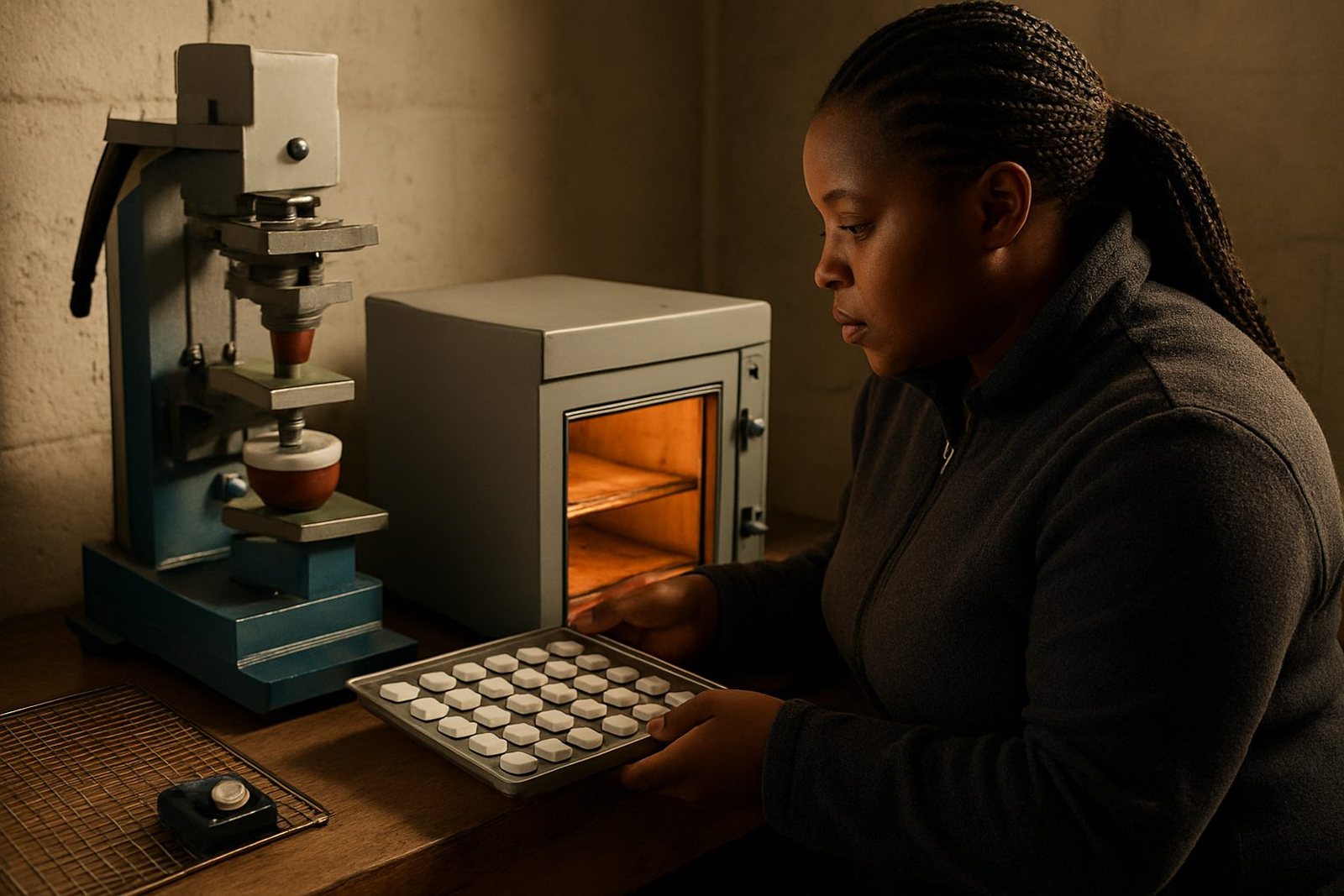
We then move through plate exposure, plate etching, fixture making and trial sample runs. The fixture keeps parts steady, which matters when the print area is narrow or the component is not easy to hold by hand. On some jobs the curing method is a key part of the setup. Certain inks need heat curing, others dry by air and some need a specific curing schedule to build proper adhesion. The right method depends on the substrate, handling speed and the finish required.
Care, servicing and repeat run control
Serial marking only stays reliable if the plate, pad and ink system are kept in good order. Pads should be checked for wear, dust or damage. Plates must stay clean and properly stored. Ink mix ratios and curing times should stay consistent from one run to the next, otherwise the mark can shift in shade or adhesion. If the parts are handled before curing is complete, the serial number can smudge or lose contrast.
For repeat work, rerun job control matters just as much as the first setup. We keep print records so the same part can be run again with the same layout and handling notes, or revised when the customer updates the sequence. Dispatch packing also matters, because marked components should not rub against each other while they are moving to the next stage of manufacture or to final packing.
- Keep parts clean and free of mould release, grease and dust
- Allow the ink to cure fully before stacking or packing
- Store pads and plates away from heat and direct sunlight
- Confirm the serial format before every repeat run
- Inspect the first off samples before authorising the full batch
When parts are going offshore or through long storage periods, the print should be checked for abrasion resistance and readability under the expected handling conditions. A short adhesion test sample can save a lot of trouble later.
What to check when ordering serial number printing
Before placing an order, have the part sample, material type and required code format ready. If the marking must sit in a specific location, send the exact drawing or a marked-up sample showing the print area. If your code changes from batch to batch, make sure the sequence rule is clear from the start. It helps to know whether the serial is human-readable only, or if there is also a machine-readable element to allow for scanning or internal tracking.
You should also check the following:
- Part material and surface finish
- Required character height and number of characters
- Whether the mark must resist cleaning, rubbing or heat
- Colour contrast needed for reading and inspection
- Any packaging or orientation limits for dispatch
- Whether the job is a once-off, a repeat run or a numbered batch series
From Westmead, Pinetown, we support manufacturers across South Africa, including Durban, Johannesburg, Cape Town, Pretoria and Gqeberha. Customers reach us through our contact form, and we guide them through sample setup, print placement and production planning so the final serial marking suits the component and the line it runs through.
Run details
| Process | Pad printing onto medical and electronic components |
|---|---|
| Marking type | Serial number, batch code or variable identifier |
| Typical print size | From about 1.5 mm character height upward |
| Substrates | Plastic, coated metal and selected treated surfaces |
| Setup items | Artwork, plate, fixture, trial sample and curing method |
| Location | Westmead, Pinetown, serving South Africa |