
Artwork prepared for pad printing, not general print
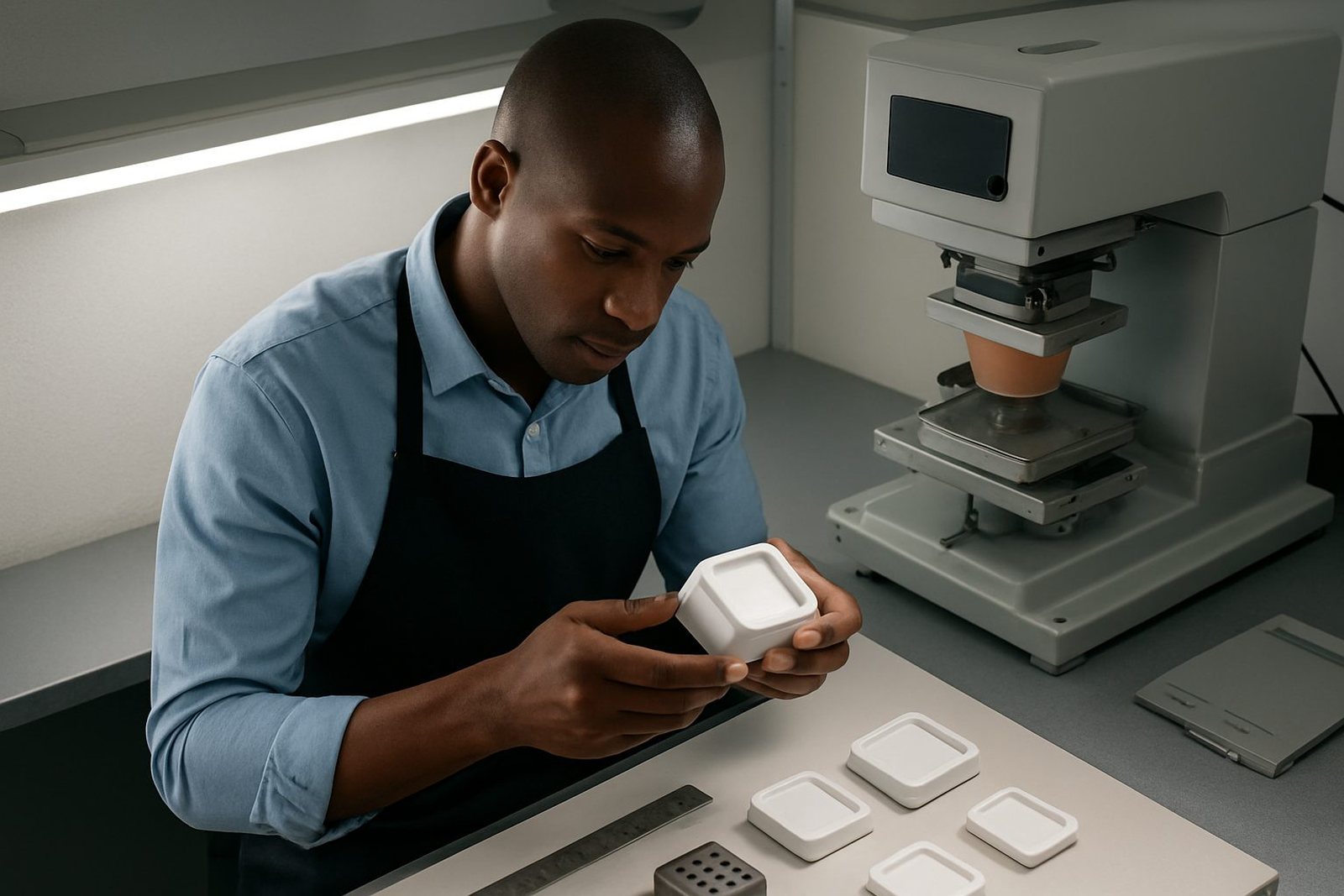
Pad printing transfers ink from an etched plate to a silicone pad, then onto a shaped or flat part. That means the artwork must be prepared for transfer, not just for viewing on a screen. We work on logos, text, symbols, numbering and simple technical marks for medical and electronic parts where the print area is often small and the surface may be curved, recessed or textured.
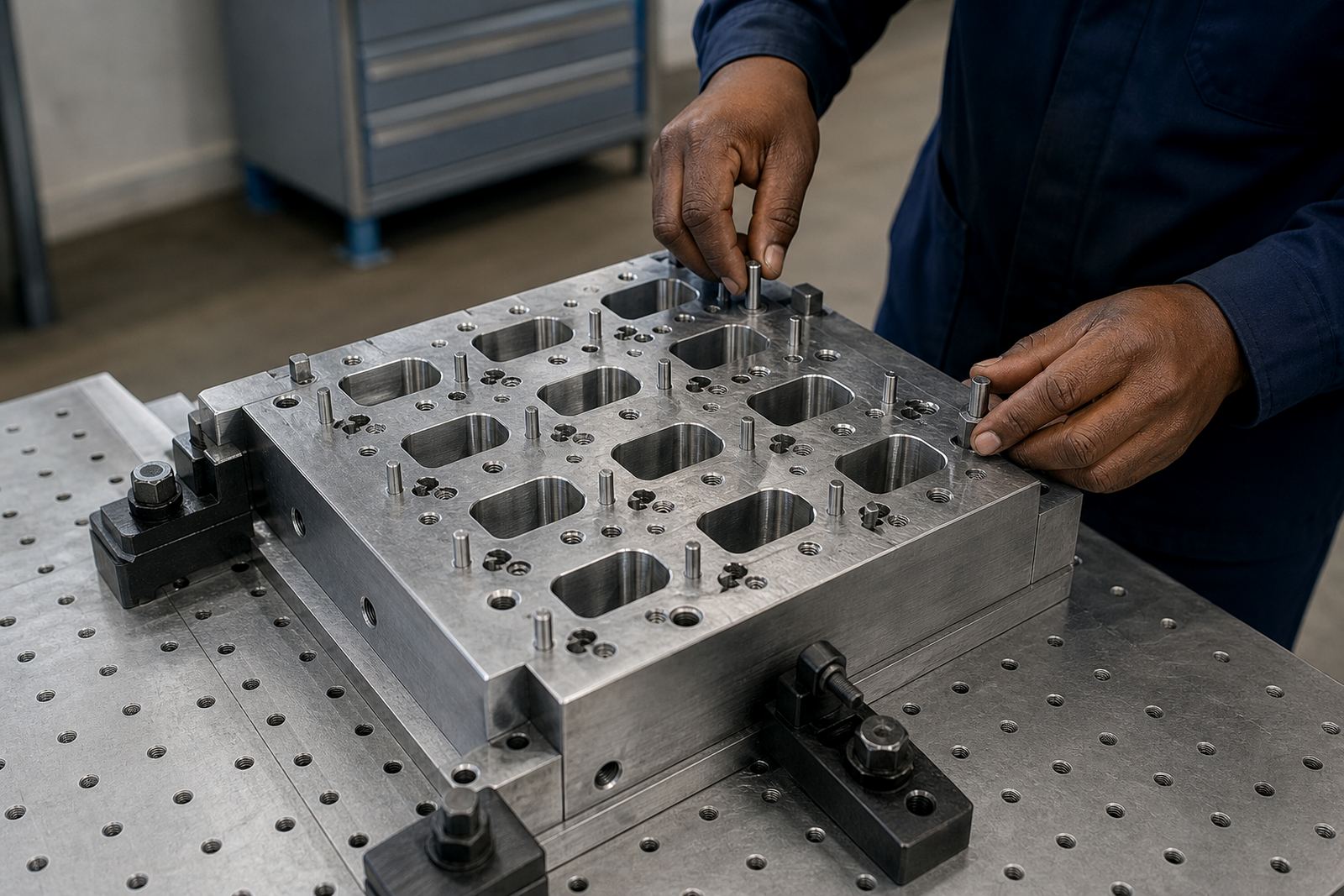
For manufacturers in Durban, Johannesburg, Cape Town, Pretoria and Gqeberha, the first step is making sure the artwork can actually print at the required size. Fine detail that looks acceptable on screen can close up once it is reduced for a 15 mm or 20 mm print area. We check stroke weight, counter spaces, clear space around the mark and whether the layout suits the pad shape and fixture. If a mark needs to sit on a housing, control panel or instrument handle, the positioning is planned around the part geometry from the start.
Our artwork preparation service is managed by Sibusiso Naicker, Naledi Kekana and Sanjay Dookhi, with support from the wider production team. The aim is clear artwork that gives the press room a stronger starting point and cuts down trial-and-error on the machine.
What we check before plate exposure
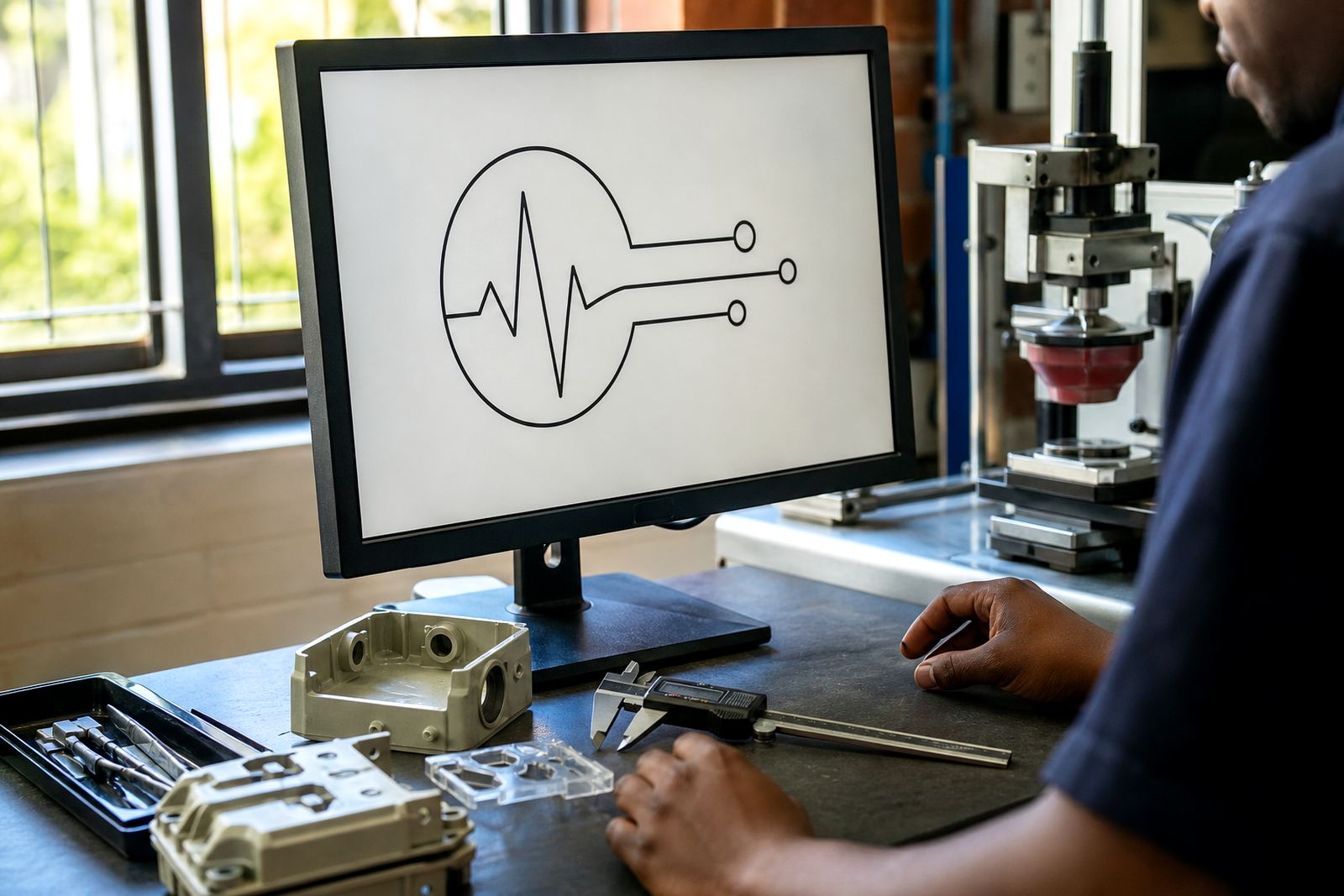
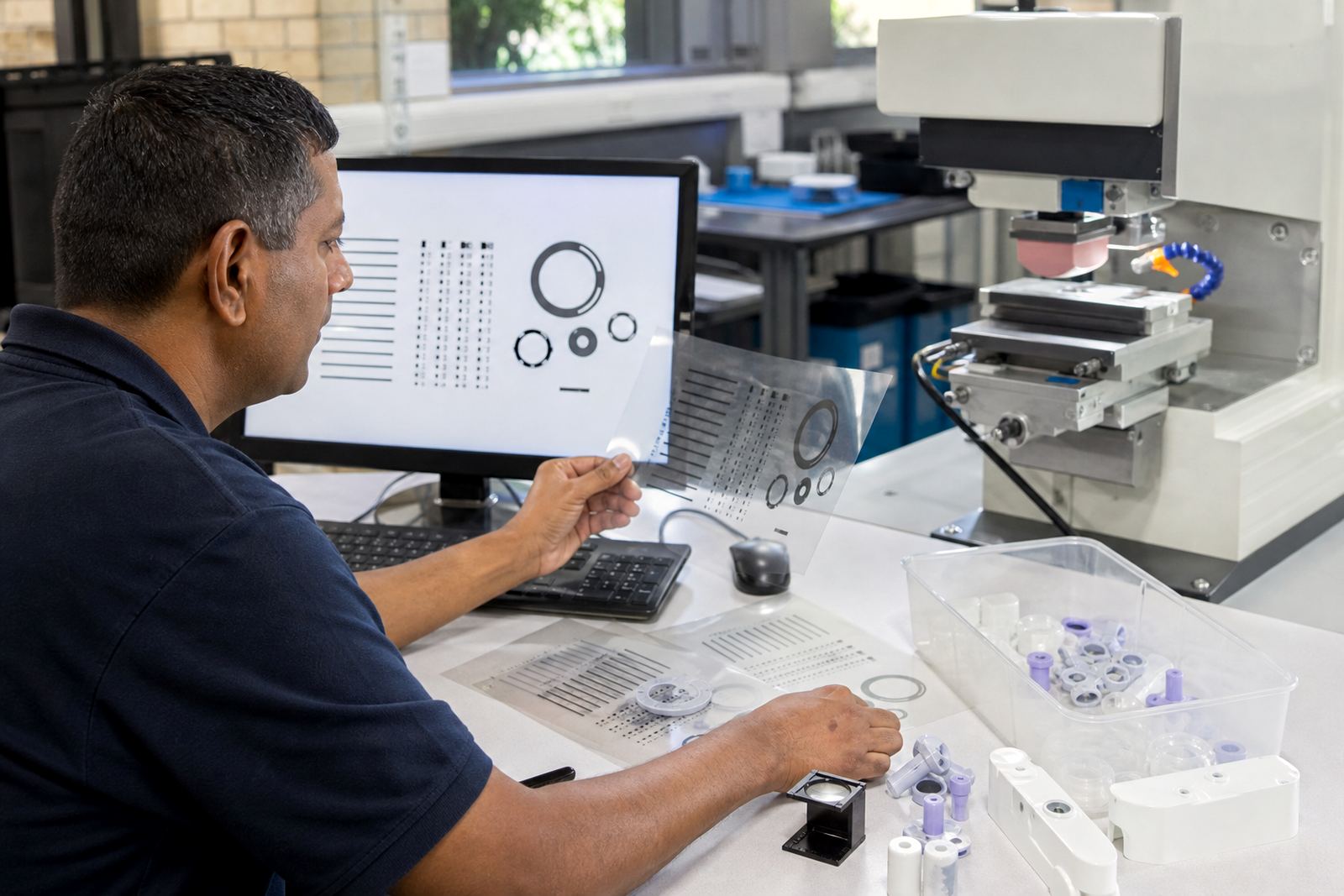
Before a job goes to plate exposure, the artwork is reviewed for printability and repeat consistency. We look at the technical side of the layout, including spacing between letters, minimum line thickness, line breaks, alignment and how the artwork will sit after reduction. Small type, fine borders and reversed-out details need careful handling because pad printing can lose definition if the artwork is too busy.
- Line weight suited to the final print size and transfer method
- Spacing between letters, numbers and symbols so they do not fill in
- Placement centred to the actual print area on the part
- Clear instruction on single colour, multiple colours or repeat marks
- Artwork cleaned for sharp edges, smooth curves and consistent shapes
- Any existing logo redrawn if the source file is too rough or incomplete
We also check whether the artwork needs to allow for curing, adhesion testing or any later rerun of the job. On medical and electronic parts, the mark must remain legible and aligned after handling, cleaning and normal use. Your own compliance responsibilities remain with your business and product team, but the artwork itself should support a stable production result from the start.
How the artwork preparation process works
Our process is practical and step-by-step. First, we receive your source artwork, sketch, sample part or existing print reference through the contact page form. Then we assess what needs to be redrawn, scaled or simplified. If the job is for a new component, we plan the print area around the actual part size and fixture. If it is a repeat job, we compare the existing layout against current production needs and make any needed corrections.
Once the artwork is cleaned up, we prepare it for plate exposure and fixture planning. If the mark is likely to be sensitive to ink build or edge sharpness, we can suggest trial sample runs before full production. That saves time when a logo has thin strokes or a part has a slightly uneven surface. For Westmead, New Germany and Westville clients, this often helps with local turnaround because the artwork and the setup are sorted together.
Artwork preparation often sits alongside print area planning, colour matching and adhesion test samples. That is useful when the same component must accept ink evenly across a batch and the final mark needs to hold up under use. We keep records for rerun job control so that future repeat work can follow the same approved setup.
Turnaround and scheduling for production batches
Turnaround depends on the condition of the source artwork and the number of changes needed. A clean file that only needs sizing or placement adjustment can move quickly. A rough logo, handwritten sketch or damaged reference may need full redraws and approval rounds before the plate is made. If the job includes multiple marks, multiple components or a colour sequence, we schedule the artwork so the production side has a clear path forward.
- Simple cleanup and sizing for an existing file
- Full redraws for low-quality logos or incomplete references
- Artwork for single part marking or batch runs
- Layout for one colour, spot colour or sequential marking
- Support for trial samples before the main run
We work with manufacturers who need steady supply, not one-off novelty printing. That means planning around batch size, dispatch packing and the repeatability of the mark.
Pricing approach and what affects the cost for medical parts
Artwork preparation is priced according to the work involved, not by guesswork. A small amendment to existing artwork is different from a complete redraw of a technical logo or a multi-part layout with several placement options. The condition of the source file, the number of revisions and whether the job needs test prints all affect the preparation effort. We quote after we have seen the artwork or sample part so the cost matches the real scope.
Because pad printing jobs often need coordination between artwork, plate exposure, curing method selection and fixture making, it is better to plan the full print process upfront. That reduces avoidable changes later. For manufacturers in Durban, Johannesburg or Pretoria who run regular batches, consistent artwork also makes it easier to repeat jobs with the same layout and avoid extra setup time.
We do not push unnecessary extras. If your file is already suitable, we keep it simple. If the mark needs to be redrawn for better print definition, we explain what will be changed and why before anything is committed. That way the artwork supports production instead of creating problems on the line.
Maintenance intervals for repeat jobs and print consistency
Artwork for pad printing should be reviewed whenever the product changes, the print area changes or the visual requirement changes. Even a small revision to a moulded part can shift the position of the mark by a few millimetres. We recommend checking repeat artwork before each new batch if the component has been altered, if the supplier has changed, or if the original approval is older and no longer reflects the current part.
For ongoing clients, we help keep the artwork file under control so the same approved version is used for repeat production. This is important for electronics housings, medical accessories and other parts where a small spacing issue can make the mark look unbalanced. If the job needs rerun control, we keep the prepared version aligned to the existing plate and setup notes so production stays consistent.
- Review artwork when the part design changes
- Recheck size and placement before reruns
- Refresh files if the original source has become outdated
- Confirm line weight again if the print area is reduced
From the first redraw to the final approval, the focus stays on printability, repeatability and neat results that hold their shape.
Run details
| Service type | Artwork preparation for pad printing |
|---|---|
| Typical print areas | Small to medium markings, often from 8 mm to 80 mm depending on part geometry |
| Artwork formats handled | Client files, sketches, samples and reference marks for redraw |
| Technical checks | Line weight, spacing, placement, reduction, alignment and print area fit |
| Related production steps | Plate exposure, plate etching, fixture making, trial sample runs and curing method selection |
| Service area | Pinetown, Durban, Johannesburg, Pretoria, Cape Town and Gqeberha |