
What Plate Exposure Does For Pad Printing
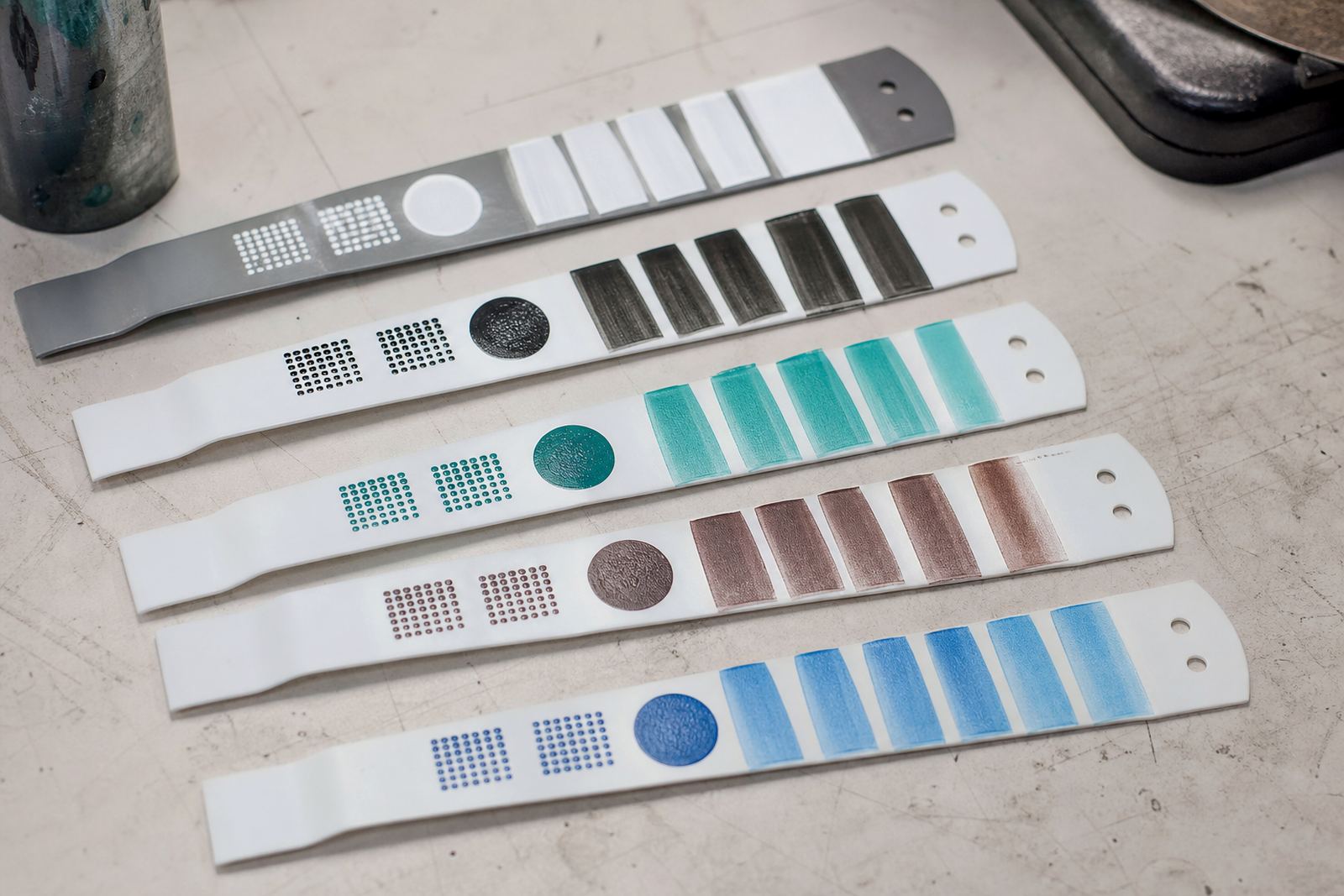
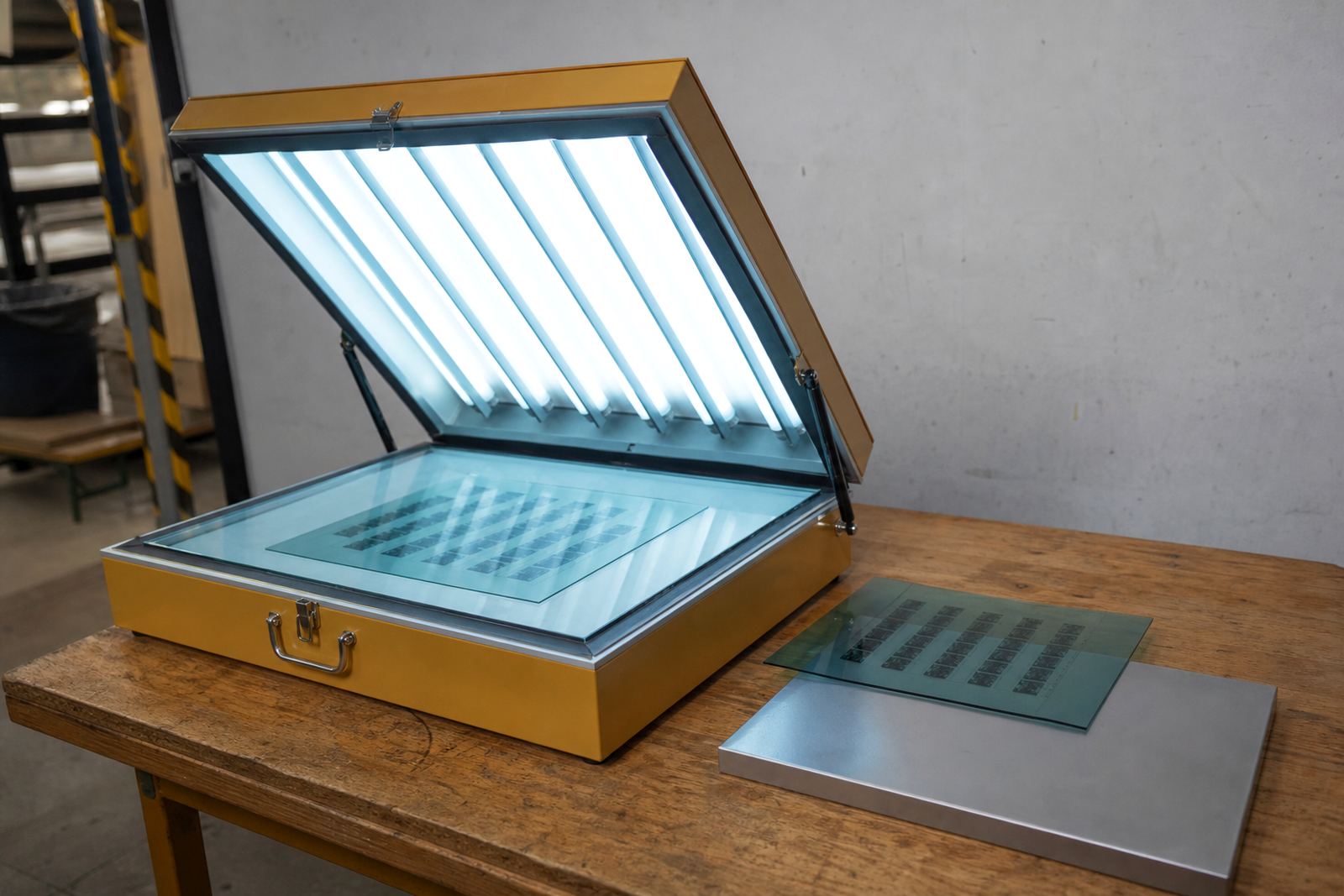
Plate exposure determines how the artwork sits in the cliché, which then controls how much ink remains in the etched image area. In practical terms, it affects edge sharpness, print release from the silicone pad, and how consistently the image lands on curved, small or uneven parts. For medical and electronic components, that matters because markings often need to stay legible on tiny surfaces with limited print area.
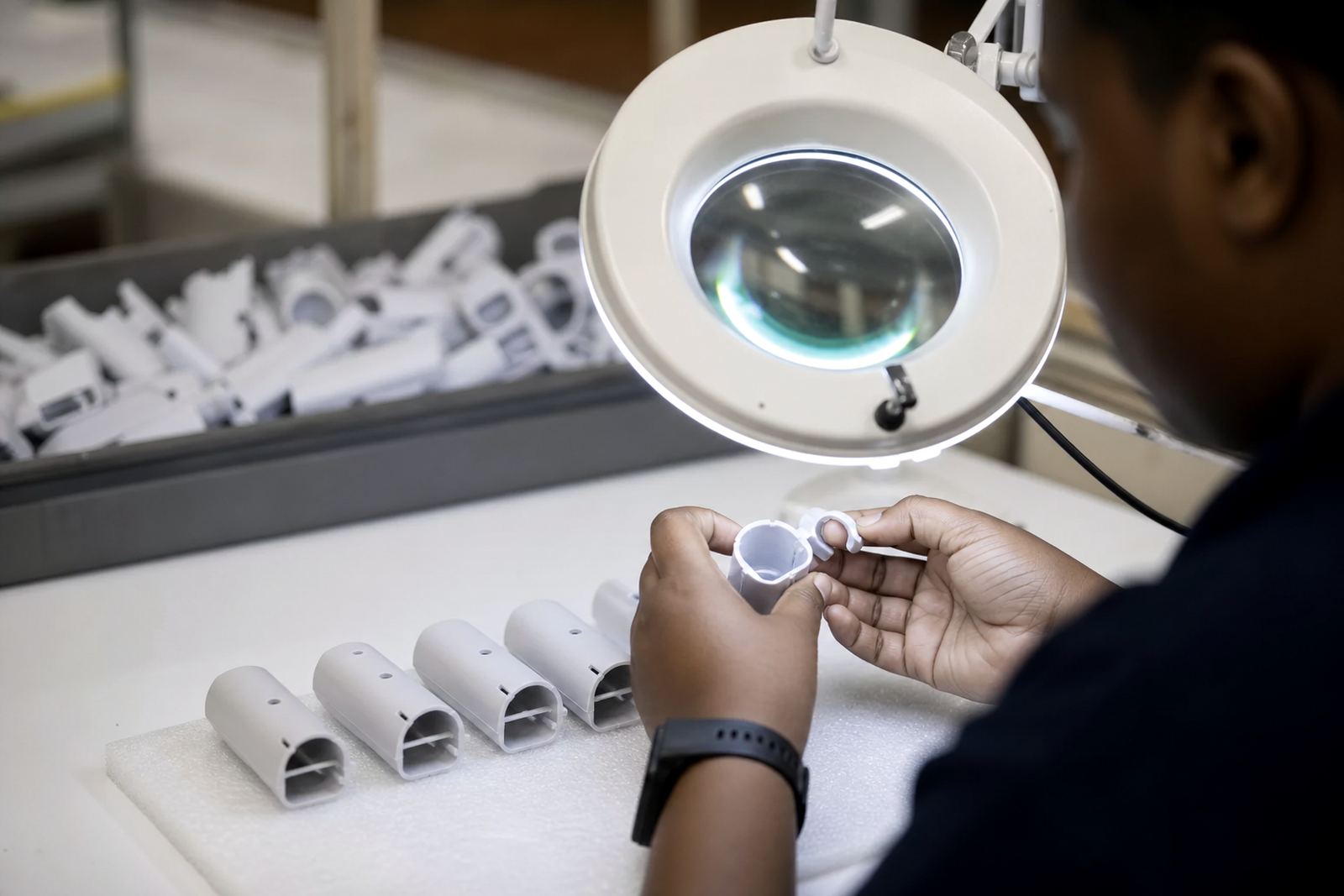
We use plate exposure to support controlled image depth on parts such as housings, covers, buttons, caps, connector bodies and moulded components. The aim is not just a readable mark, but a mark that prints the same way across a production run. A properly exposed plate helps reduce smudging, weak fills, and excess ink build-up around fine detail, which saves rework later.
What Is Included In The Service For Medical Parts
Our plate exposure service covers the practical steps needed before the cliché goes into production. We review the artwork, check fine lines and text size, confirm the print area, and prepare the plate for exposure on suitable material. If a job needs it, we also help with logo redraws, screen line cleanup and adjustments for small registration marks or multiple colours.
- Artwork review for line weight, text size and detail retention
- Plate material selection based on job length and ink type
- Exposure setup for clean image transfer
- Plate etching after exposure
- Inspection of image depth and edge quality
- Trial sample runs where required
For customers working with medical or electronic parts, we keep the focus on repeatability and fit for purpose printing. You remain responsible for your own device compliance, but we can help you get a cleaner and more stable marking process from the start.
How We Handle The Exposure Process
The process starts with the artwork file or approved redraw. From there, we assess whether the image will print well at the required size and whether the cliché needs any changes for finer detail. Once the layout is signed off, we prepare the plate for exposure so the image transfers evenly and the subsequent etch gives the right recess depth.
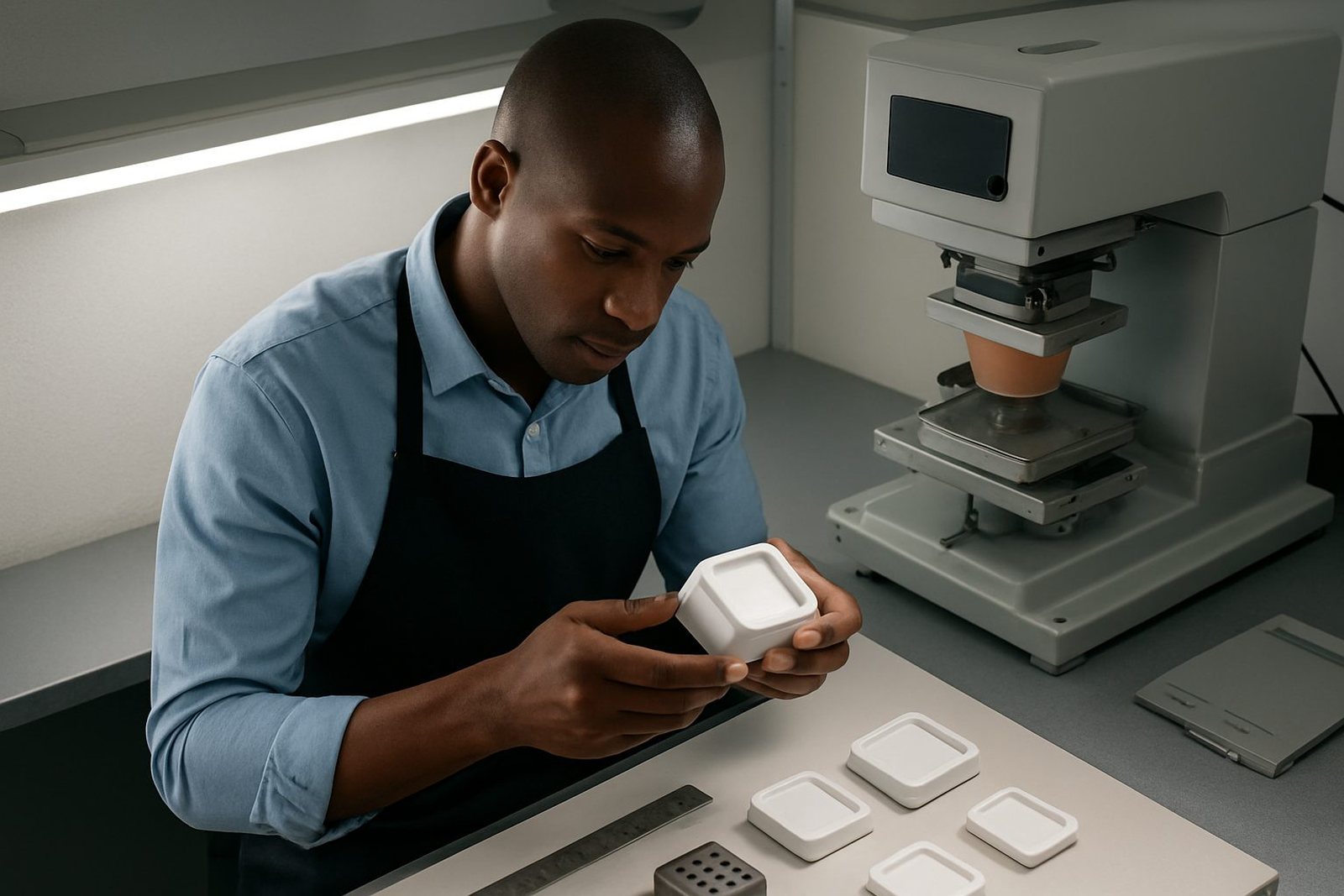
After exposure and etching, we inspect the plate for definition, consistent depth and any signs of underexposure or overexposure. If the job calls for it, we carry out a trial sample run using the intended ink, pad shape and curing method. That way, the plate is not judged in isolation, but as part of the full print cycle. It also helps us catch problems with ink pick-up before full production starts.
- Step 1: Artwork confirmation and print area planning
- Step 2: Plate material prep and exposure setup
- Step 3: Etching to achieve the required image depth
- Step 4: Sample print and adjustment if needed
Useful Specs For Medical And Electronic Parts
Plate exposure is often specified by the detail level of the artwork and the type of part being marked. Fine medical markings may need tighter control than a plain logo on a larger housing, while electronic parts may need crisp small text, batch references or symbols that remain readable under inspection. We work with the job spec, not guesswork.
Typical considerations include plate thickness, image depth, line width, and the transfer behaviour of the chosen ink. For small components, keeping the etched image clean is critical because even a slight overcut can blur a serial mark or symbol. In humid coastal conditions around Durban, handling and storage also matter, because plates, inks and parts can react differently if they are left exposed for too long.
- Suitable for small text, logos, symbols and traceability marks
- Supports single and multi-colour pad printing setups
- Works with common cliché materials used in industrial pad printing
- Can be matched to parts ranging from rigid plastics to coated components
Turnaround, Dispatch And Rework Control
Turnaround depends on artwork readiness, plate size, whether redraws are needed, and whether sample runs are included. Simple exposure jobs can move quickly once the artwork is approved, while more detailed work may need extra checking to keep the image clean. If a job is urgent, we assess it upfront and tell you what is realistic rather than promising a date that wont hold.
Because many customers send work from outside Durban, we also plan for dispatch packing and rerun control where needed. If the first sample shows a minor issue, we note the change and keep the plate history organised so later runs stay consistent. That is especially useful for manufacturers who need the same marking months later on the same component or moulded part.
Pricing Approach And Plate Care Intervals
Pricing is based on the actual work required, including artwork condition, plate size, exposure complexity, etching time, trial samples and any fixture or setup adjustments. We quote to the job, because a simple one-line mark and a fine multi-line medical reference are not the same thing. If a customer needs several related plates, we can group the work where practical to keep the process orderly.
Plate care also affects long-term cost. Exposure quality can drift if plates are scratched, stored badly, or left with ink residue after production. As a guide, we recommend checking plate condition at each rerun and doing a fuller review whenever the artwork changes, the ink system changes, or the part surface changes. On busy lines, that extra check saves time later and helps avoid poor pickup or faded prints.
- Inspect plates before every rerun
- Clean off ink residue after production
- Store plates flat and protected from dust
- Review exposure quality when artwork or ink changes
Run details
| Service area | Westmead, Pinetown with supply to Durban, Johannesburg, Cape Town, Pretoria and Gqeberha |
|---|---|
| Primary use | Controlled cliché image formation for pad printing on medical and electronic components |
| Artwork input | Client artwork, redraws, or cleaned-up production files |
| Plate work | Exposure, etching, inspection and sample verification |
| Typical output | Fine text, logos, symbols, batch marks and small traceability details |
| Related support | Colour matching, adhesion test samples, fixture making and trial sample runs |