
Stored references for repeat component programmes
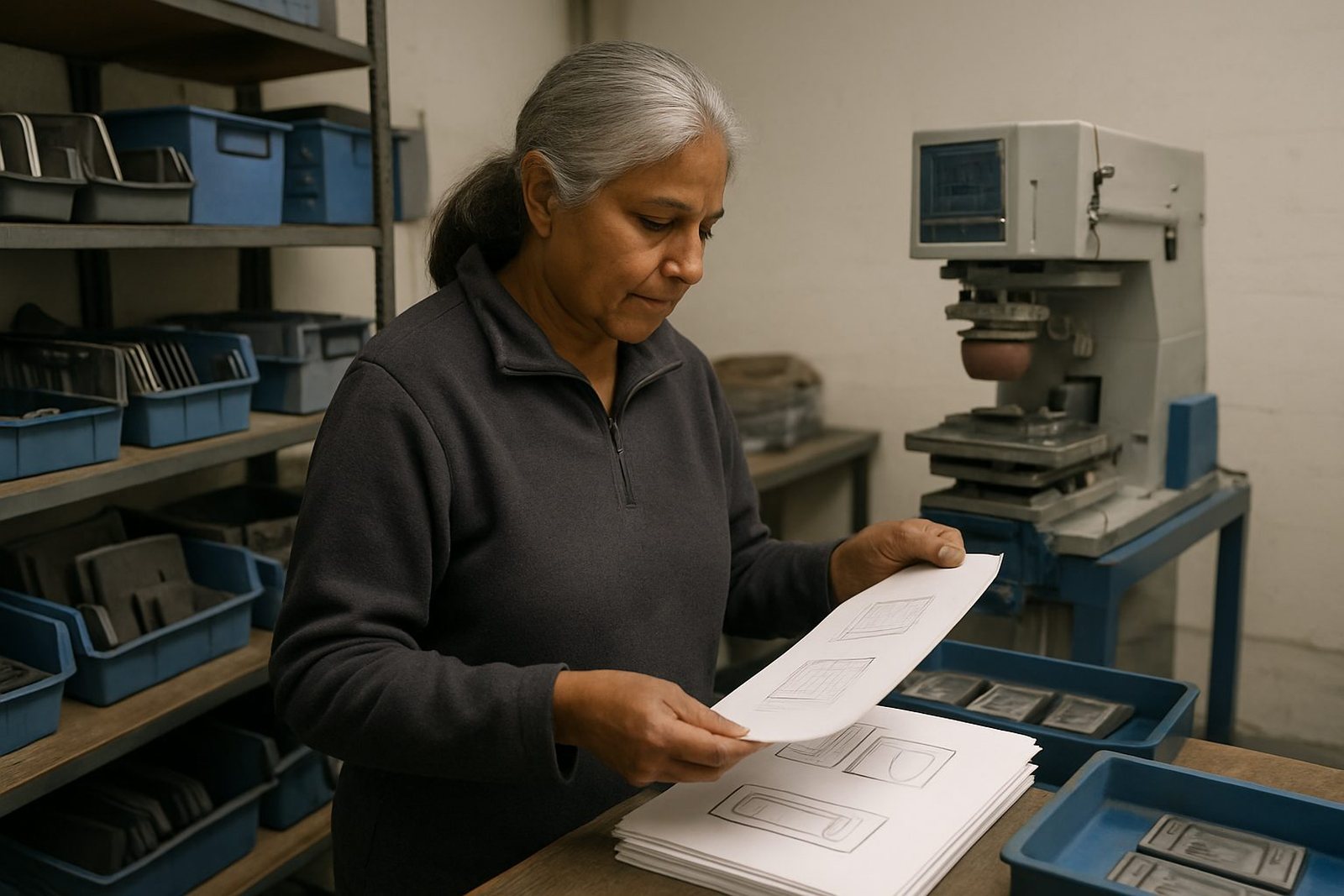
Rerun job control is the discipline behind repeat pad printing. When a customer returns with the same component, we use the stored artwork, plate details, fixture notes, ink reference, curing method and approved sample record to match the prior job as closely as possible. That helps reduce variation when parts are supplied again months later, or when a production line needs the same marking after a tool change or line restart.
For manufacturers in Pinetown, Durban and further afield, this matters on parts where the mark must stay legible on curved, small or textured surfaces. We handle medical and electronic components generically, from housings and caps to selector switches, bezels and control pieces. Customers remain responsible for their own device compliance, but our side of the marking process is kept orderly and traceable.
What is kept on file for a rerun
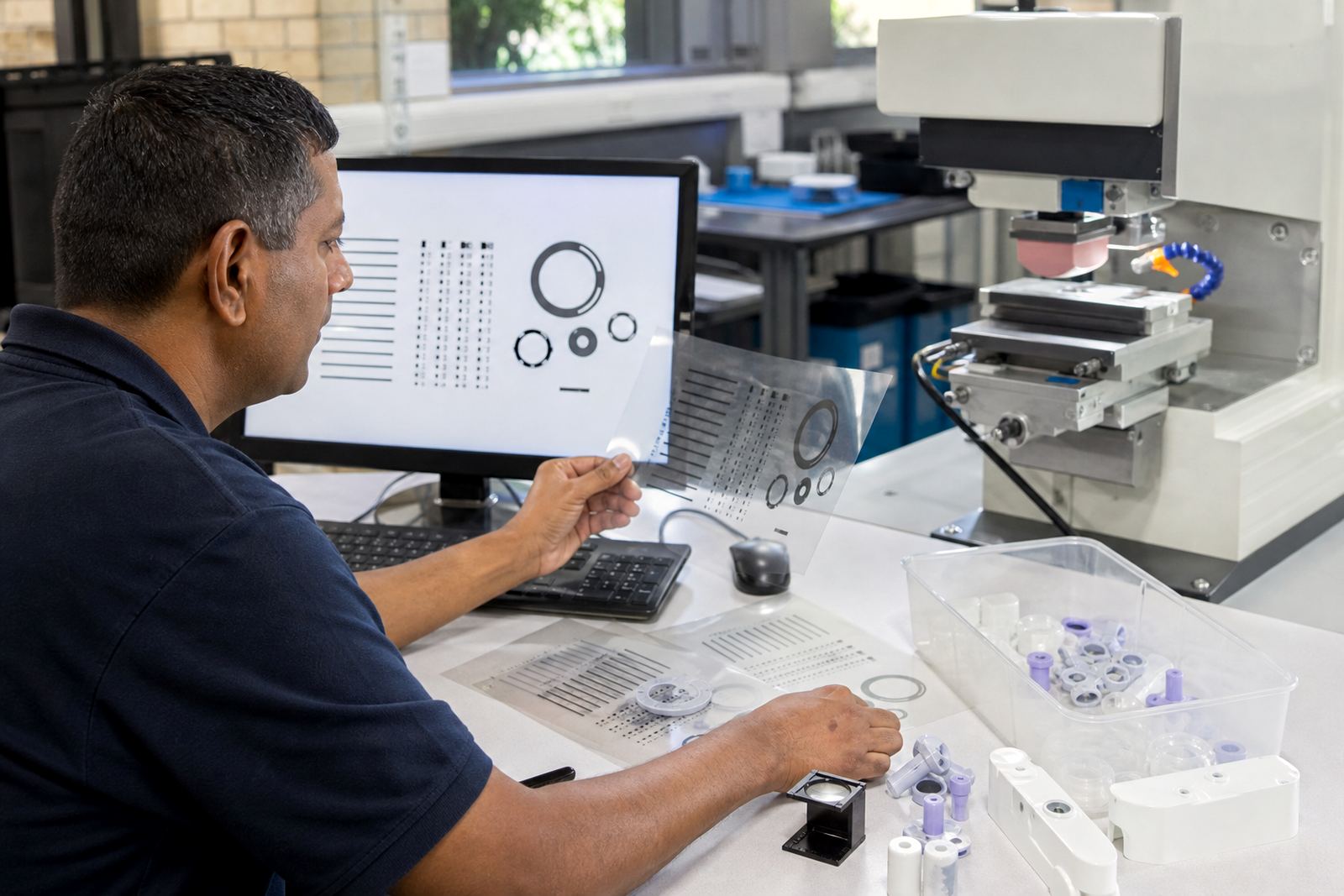
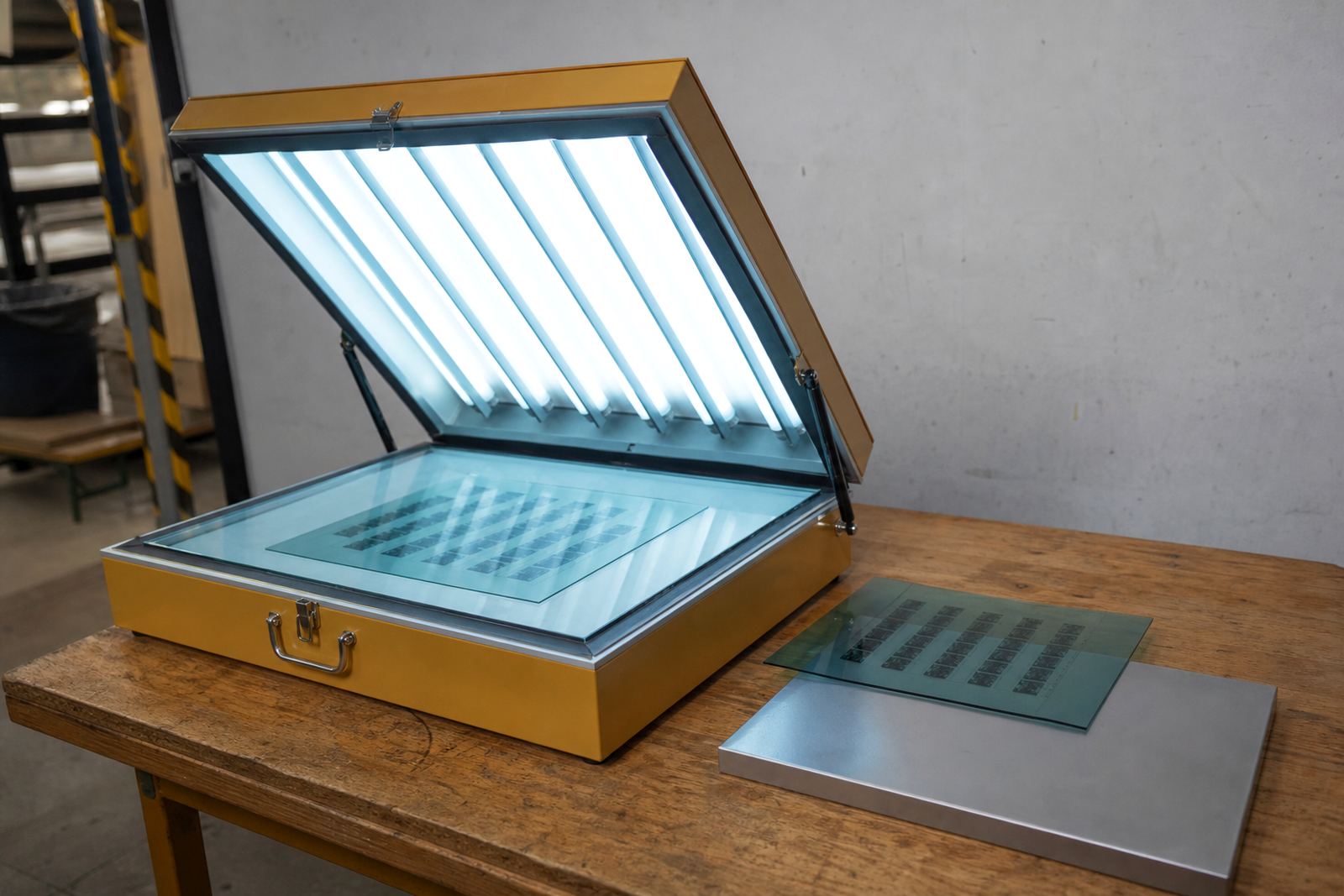
Each repeat job is linked to the physical and process details that affect print consistency. We keep reference samples where possible, along with notes on plate exposure, pad type, ink mix, print pressure, drying or curing settings and any fixture changes. If a component has multiple print positions, those positions are documented so the same sequence can be followed again.
- Artwork version and print layout
- Plate reference and etch notes
- Pad shape and transfer notes
- Ink type, mix and colour match reference
- Curing or drying method used
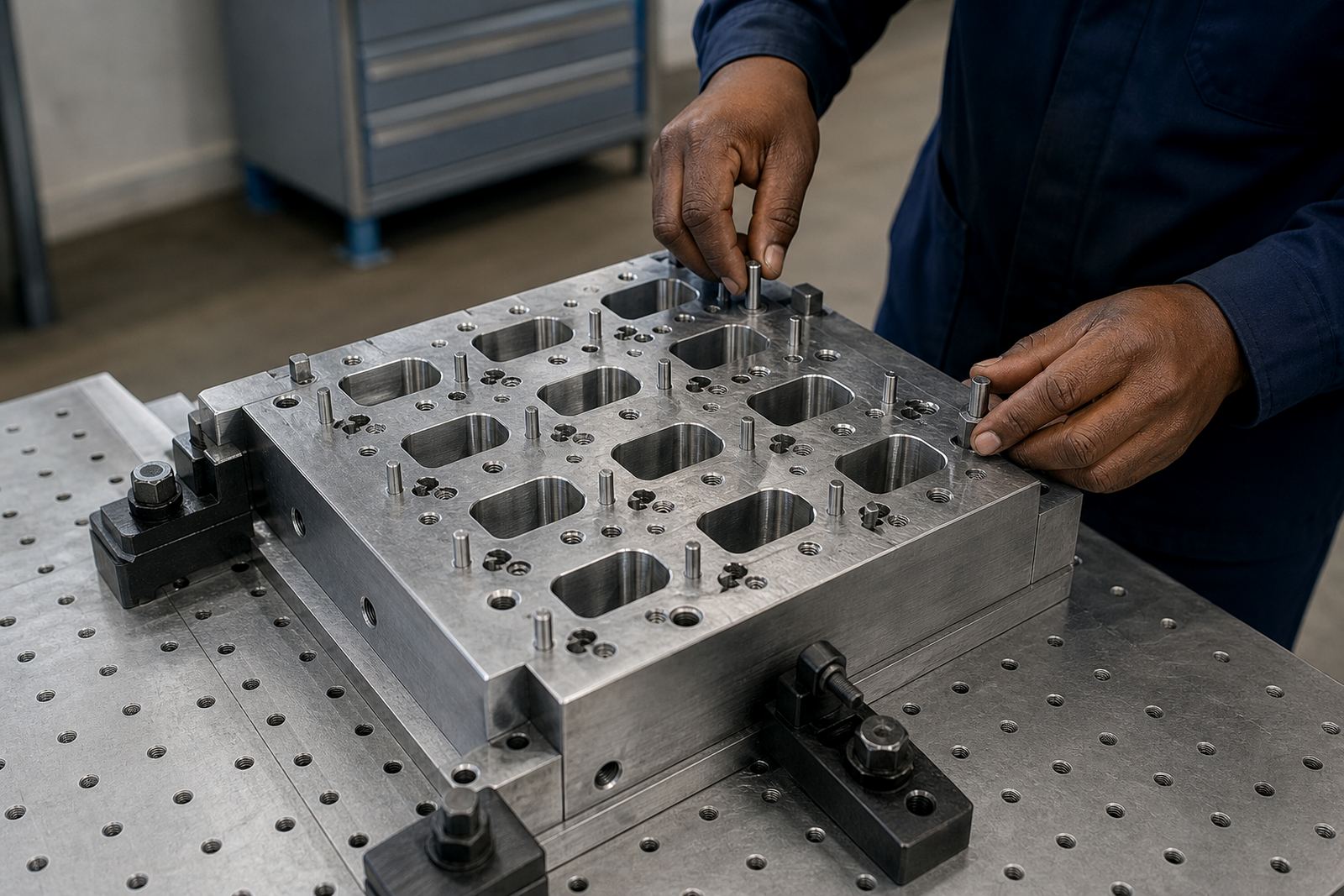
- Fixture arrangement and part orientation
- Any prior adhesion test sample results
This is especially useful for supply into Johannesburg, Cape Town, Pretoria and Gqeberha where later runs may need to fit into scheduled production without lengthy setup delays. If a customer changes the part itself, we compare the new sample against the stored record and update the rerun notes before proceeding.
Our rerun process from sample to dispatch
A rerun starts with the previous job reference or a sample part. We confirm whether the component is unchanged, check the print area and then inspect the stored job record. If the part surface, mould finish or supplied material has changed, we may need a fresh adhesion sample or a short trial run before full production. That protects the result and helps avoid rework later.
The process normally follows a fixed order so the job can be repeated cleanly:
- Confirm component identity and previous job reference
- Check artwork, print area and orientation
- Review ink and curing settings used before
- Prepare fixtures or adjust the existing fixture
- Run a trial sample if the part has changed
- Proceed with the rerun and inspect output
- Pack and dispatch with the agreed label and count
In practice, this gives Durban manufacturers and Westmead based production teams a practical way to keep markings consistent even when schedules are tight, shifts change, or supply arrives in smaller batches than usual.
Turnaround for repeat jobs and short notice supply
Rerun job control usually shortens turnaround because the core setup is already on record. The exact timing depends on whether the part is unchanged, whether fixtures still suit the component and whether the same inks and curing method can be used again. If a job is a straight repeat, we can move faster than a first off sample run because the review stage is narrower.
Short notice work can still need a sample approval if the component has altered in any way. For customers in New Germany, Westville and the wider Durban area, that means we can plan around practical production constraints rather than forcing a one size fits all approach.
When reruns are urgent, it helps to send the previous job reference, the latest component sample and the quantity required. That lets us assess whether the job can go straight back into production or needs a quick technical check first.
Pricing approach for repeat production
Repeat work is quoted on the actual effort needed for the rerun, not on a one price fits all basis. A straight repeat on the same component will usually cost less setup time than a changed part with fresh samples, new fixtures or revised curing settings. The price also depends on the number of print positions, colour changes, handling requirements and packing needs.
We do not quote blind. The main cost drivers are:
- Whether the previous job record is complete
- If the component is unchanged or modified
- Number of colours and print passes
- Fixture changes or new fixture making
- Trial sample or adhesion test requirements
- Dispatch packing and batch control needs
For ongoing supply programmes, rerun control can reduce avoidable setup time and help keep batch costs more predictable over the long term. That is useful for manufacturers balancing small production lots, replacement orders and scheduled replenishment.
Maintenance intervals and when to refresh a rerun record
Stored references are only useful if they stay current. We recommend reviewing rerun records whenever the component changes, the supplier changes the base material, the artwork is updated or the print area is altered. Even if the part looks the same, a new mould batch or surface finish can affect adhesion and final appearance.
As a general rule, it is sensible to refresh the record after any of the following:
- New artwork revision or changed logo detail
- Material change or surface treatment change
- New fixture or altered part geometry
- Different ink performance or curing behaviour
- Extended time since the last production run
Where a customer has a recurring programme, we can maintain the job file alongside sample parts and update notes as needed. That helps keep repeat production tidy and avoids guesswork when the next order comes in from Pretoria, Cape Town or Gqeberha.
Run details
| Service | Rerun Job Control |
|---|---|
| Base | Westmead, Pinetown |
| Coverage | Durban and South Africa wide |
| Typical use | Repeat medical and electronic component markings |
| Process record | Artwork, plate, fixture, ink and curing notes |
| Order method | Enquiry form on the contact page |