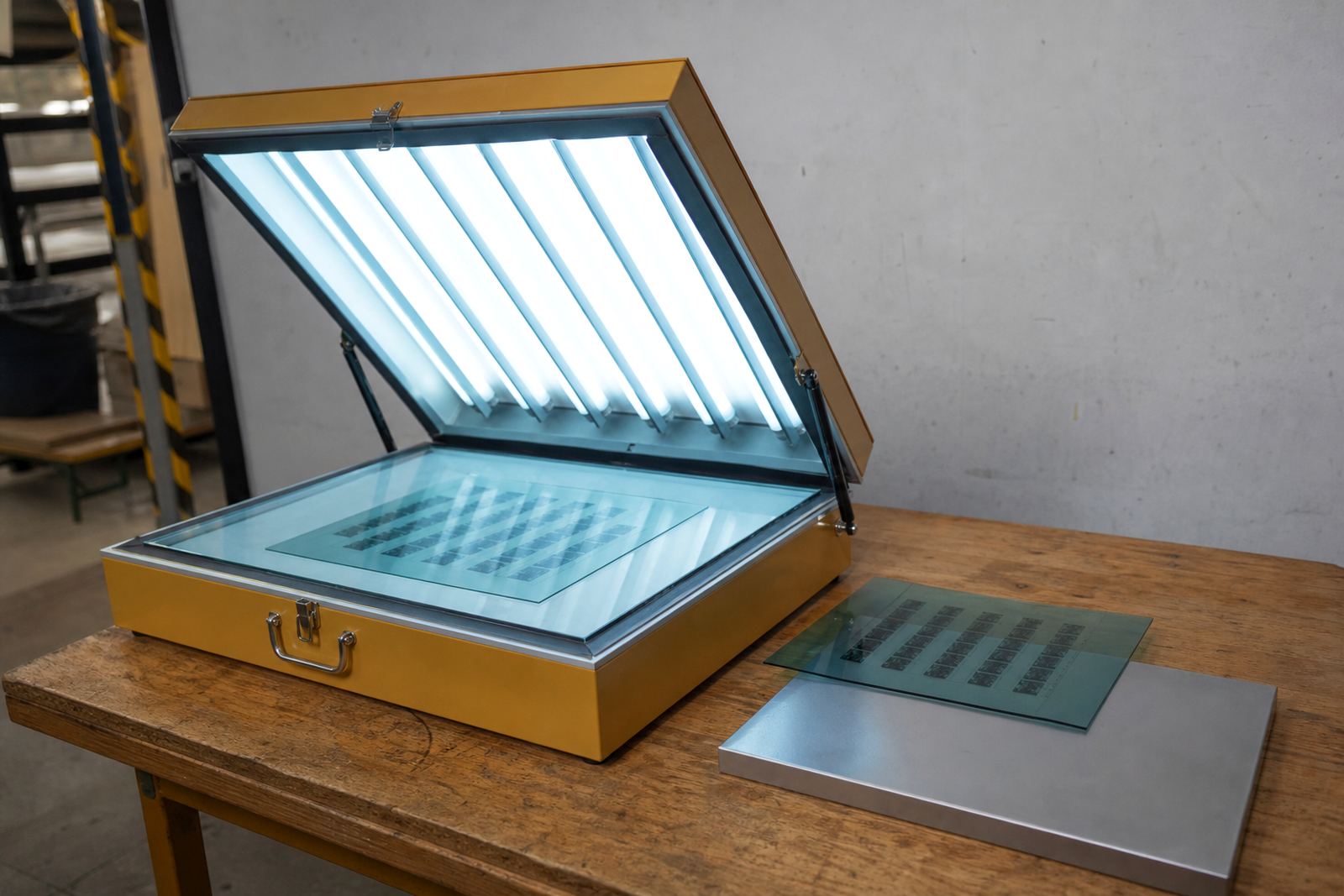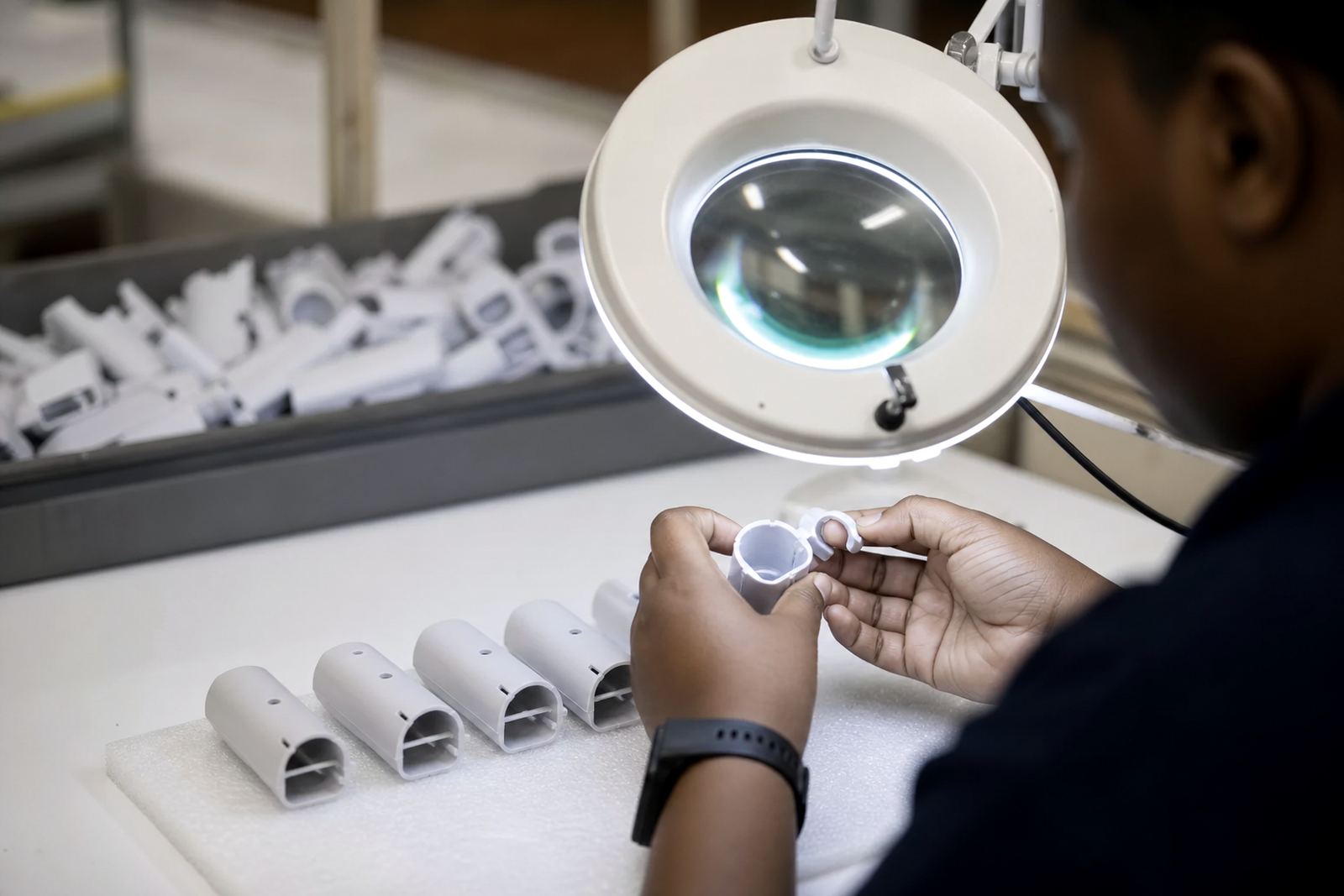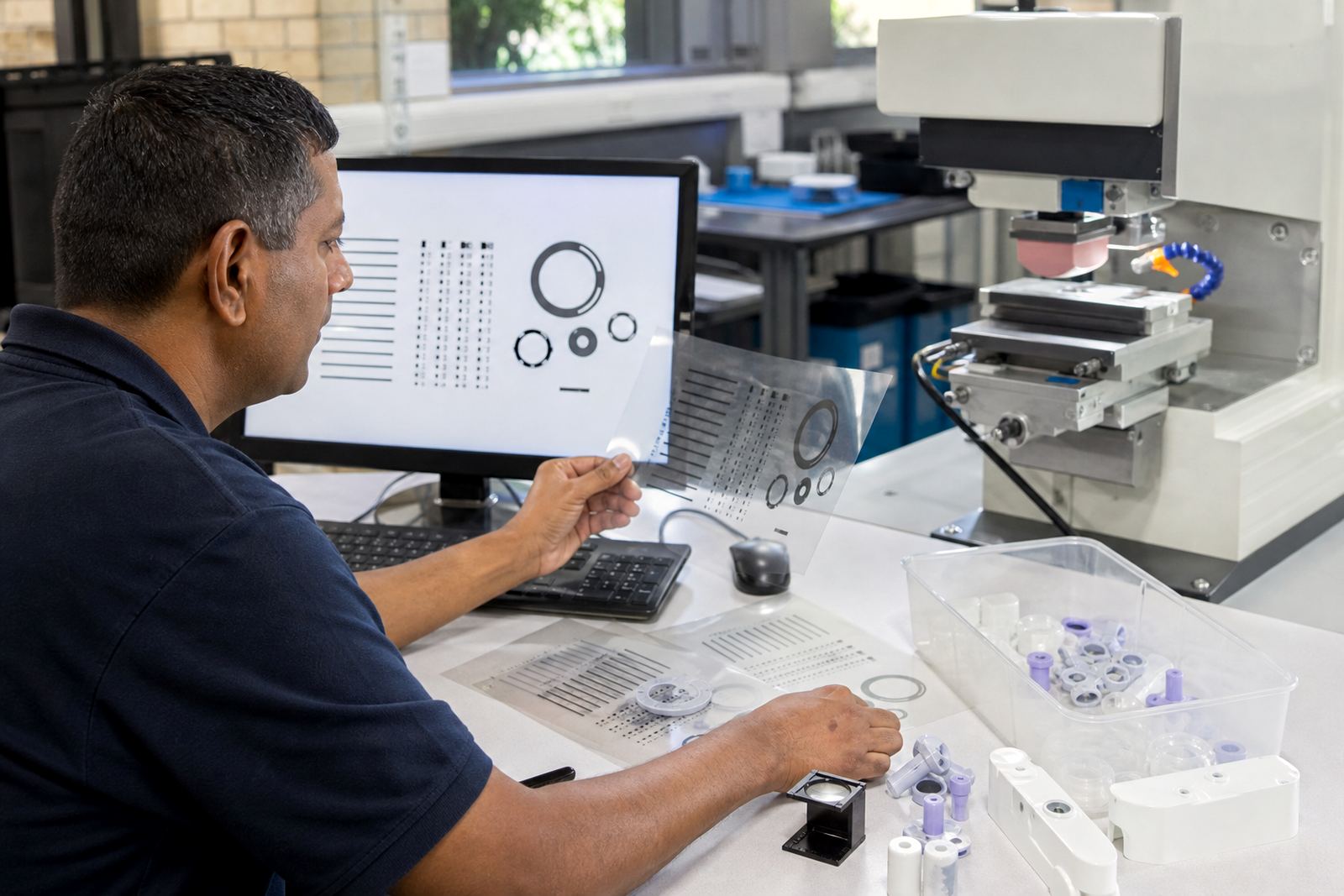

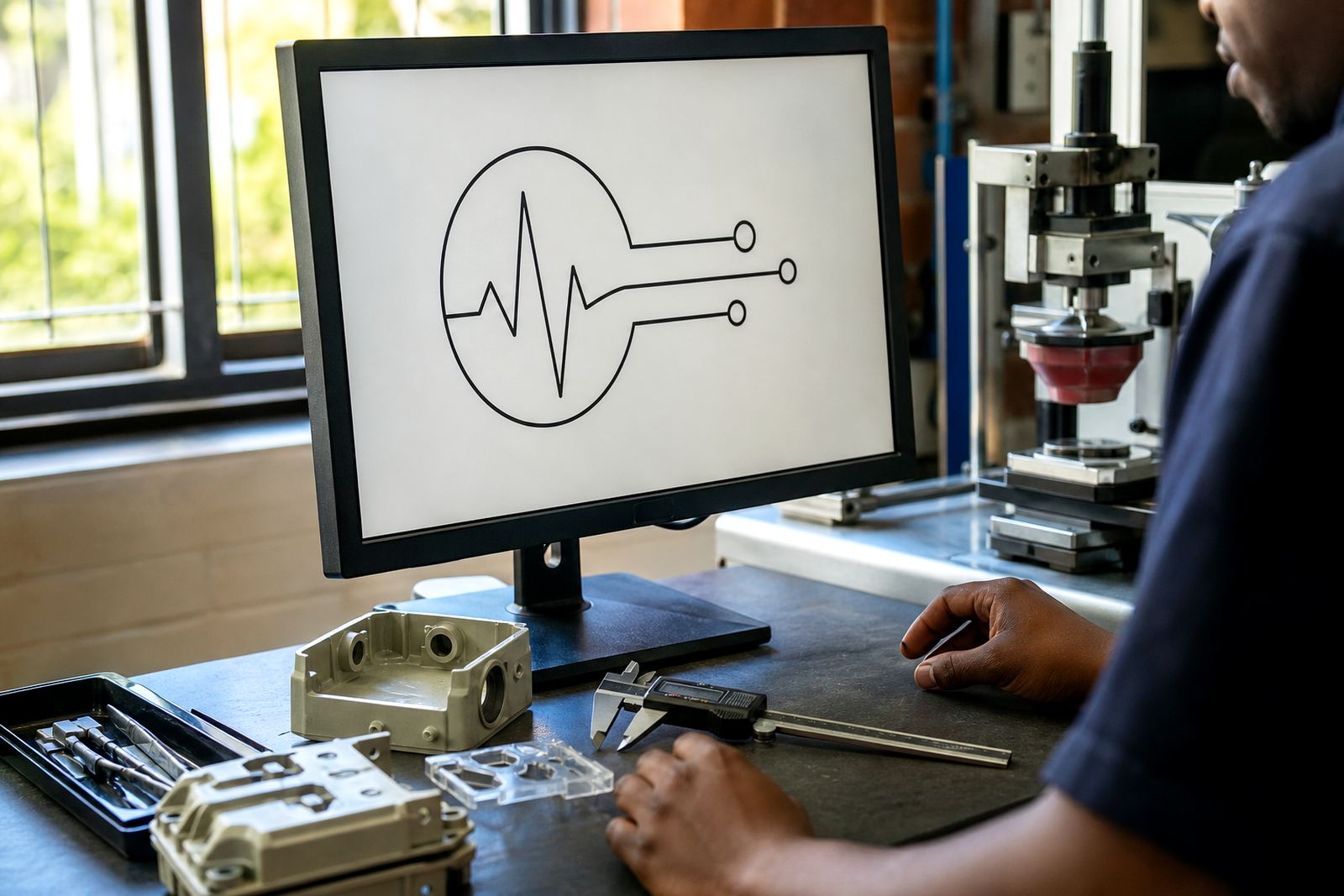
Artwork that is ready for plate making
Many supplied logos, product marks and part numbers arrive as low resolution images, photos from a spec sheet, or files that were made for screen use rather than print use. For pad printing, those files usually need to be rebuilt so the artwork transfers cleanly to a plate and then to the part without fuzzy edges, broken strokes or filled-in detail. Our logo redraw service converts supplied marks into neat production artwork for components used in medical and electronic assemblies.
We work from the information you already have, such as a photograph, PDF, sample part, scan or old artwork file. The redraw is prepared with pad printing in mind, which means the line work is checked for legibility at small sizes, fine text is opened up where needed, and tight gaps are adjusted so the image prints properly with silicone pads and the inks used on plastics, coated parts or metal housings. That matters on small housings, button caps, device labels and enclosures where a tiny error can ruin the mark.
Because the end use varies, the redraw is not treated as a generic graphic exercise. We consider the print area, the shape of the component, the likely ink build up, and how the image will sit after curing. Customers remain responsible for their own device compliance and artwork approval, but we make sure the print file is suitable for production use.
- Vector-style redraws prepared for plate exposure
- Clean outlines for text, symbols and serial spaces
- Artwork sized to the real print area on the component
- Adjustments for fine detail, stroke thickness and spacing
How the redraw process is handled
We keep the process direct, because many manufacturers need quick turnarounds when a sample run is waiting or a part revision has changed. The first step is checking what has been supplied. If the source is poor quality, we identify which elements can be rescued and which parts need to be rebuilt from scratch. Sibusiso Naicker and the team at Westmead handle this with a practical production focus, not just a design eye.
Once the artwork is reviewed, we redraw the logo, mark or text into clean production format. Naledi Kekana and Sanjay Dookhi then check the geometry, spacing and line consistency against the intended print method. If there is a fragile font, a thin rule or a small registered symbol, we may thicken it slightly to suit pad printing. If the part has a curved face or a recessed area, we plan the artwork to suit the actual contact area of the pad and the part.
Where needed, we can also align the redraw with trial sample runs, so the artwork is tested before full release. That is especially useful on electronics parts with narrow bezels or medical components where labels and icons must remain readable after handling, cleaning or repeated use. In humid conditions around Durban and coastal areas, this planning also helps with ink selection and adhesion sample checks before production starts.
- Review of supplied artwork or sample image
- Redraw into clean production format
- Print area planning for the real component size
- Sample checking before plate work starts
What is included in a logo redraw job
A logo redraw is more than tracing an image. We prepare the mark so it can be used in a working pad printing job, including the parts that are often missed on a quick copy. That means careful attention to closed counters in letters, line joins, small icons, date fields and all the tiny details that matter when the image is reduced for a compact device housing.
A redraw for medical and electronic components usually needs to be clean enough for plate exposure and consistent enough to support repeat jobs. We can separate elements, simplify over-complicated artwork, and set the image up so it prints with the right balance of detail and durability. If a supplied file includes multiple colours, we can plan each pass and its registration points for the final print job. We also consider fixture making at this stage where the part shape makes consistent placement difficult.
Our work commonly includes artwork preparation, colour matching advice, adhesion test samples, plate exposure planning, plate etching support and rerun job control. That helps when the same component is printed again months later and the original mark must still match the approved sample.
- Rebuild of supplied logo or mark into production artwork
- Text cleanup and spacing correction
- Support for single colour and multi pass pad printing
- Setup notes for repeat jobs and future reruns
Turnaround for urgent manufacturing jobs
Turnaround depends on the condition of the supplied file, the amount of redrawing needed and how quickly the details are confirmed. A simple logo with clean lines and clear text can move through the process faster than a badly compressed image or a file with several small symbols. In practice, the biggest time saver is giving us the best available source material at the start, even if it is only a photograph of the old mark or a sample part.
For manufacturers in Pinetown, Durban and nearby areas such as Westville, New Germany and the industrial zones around the metro, we can often handle the redraw alongside plate planning and trial sample runs so there is less delay between approval and production. For clients in Johannesburg, Pretoria, Cape Town and Gqeberha, we work remotely through the enquiry form and keep the artwork moving with clear feedback points. If a job is tied to a production window, let us know early so we can sequence the redraw, plate work and dispatch packing in the right order.
In our experience, the best results come from getting the artwork right once, then using it consistently for reruns.
Pricing that matches the complexity of the artwork
We do not price logo redraws as a one size fits all task, because the work can range from a simple word mark to a detailed product symbol with very small text and tight spacing. The pricing approach is based on the time needed to clean up the supplied material, the number of elements that must be rebuilt, and whether the redraw must be set up for one colour or multiple print passes. If the mark needs special treatment for a curved surface or a narrow print zone, that also affects the effort involved.
For clients who order repeat pad printing work, we keep records of the approved artwork and job setup notes so future reruns are easier to manage. That can reduce setup time later, especially when the same part is supplied again with the same mark. Lerato Mabunda checks the quality side of the process so the final file is consistent with the approved sample, while Yashika Sewpersad handles client updates and dispatch steps through the contact page enquiry process.
As a general rule, supplied artwork that is already tidy will cost less to prepare than a poor quality scan or a mark that must be rebuilt from scratch. We quote after reviewing the source material and the print requirement, not before. That keeps the pricing fair and tied to the actual amount of production work needed.
Keeping the artwork usable for future reruns
Once a logo has been redrawn properly, it should stay usable for repeat production runs. We recommend a check-in on the artwork whenever the product changes, the print area shifts, or the component material changes. A small revision in moulding, coating or housing shape can alter how the pad lands on the part, so even a well prepared mark may need a fresh check.
If the device or part is updated, the print file should be reviewed before the next batch. If the same part is running unchanged, we can use the stored redraw and job notes to support the rerun with less admin. That helps with consistent logo placement, colour matching and plate reuse planning where appropriate.
Our team in Westmead also keeps practical notes on fixture making, curing method selection and adhesion test samples, because a redraw should sit inside the full printing process rather than being treated as a separate graphic task. That is the difference between artwork that looks fine on a screen and artwork that behaves properly on a production line.
- Review artwork after any product or mould revision
- Keep master files ready for repeat production runs
- Recheck print area if the component shape changes
- Use stored job notes to speed up future orders
Run details
| Service | Logo redraws for pad printing |
|---|---|
| Primary use | Medical and electronic components |
| Artwork formats handled | Photo, scan, PDF, sample part, low resolution image |
| Typical output | Clean production artwork ready for plate making |
| Base | Westmead, Pinetown |
| Service area | Durban, Johannesburg, Cape Town, Pretoria, Gqeberha |