
Matching Colour to the Part, Not Just the Swatch
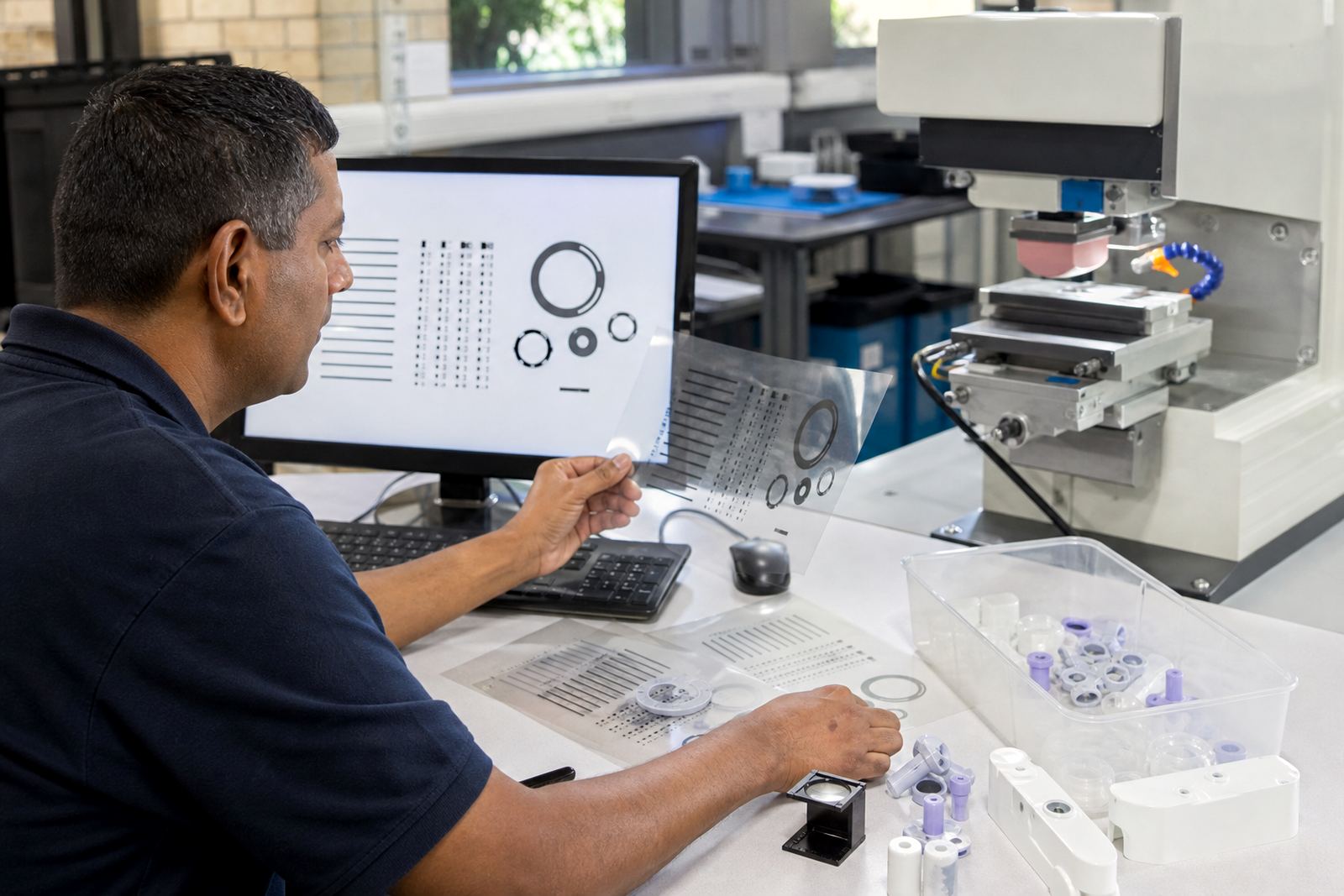
Colour matching for pad printing is not only about getting close to a sample card. The ink must suit the part material, the print area, the curing method and the way the component will be handled in production. On medical and electronic parts, that often means working with plastics, coated surfaces, metal housings or textured mouldings where a colour can shift once it is applied and cured. Our process starts with the actual component, because a shade that looks correct on paper may read differently on a matte housing or a gloss cover.
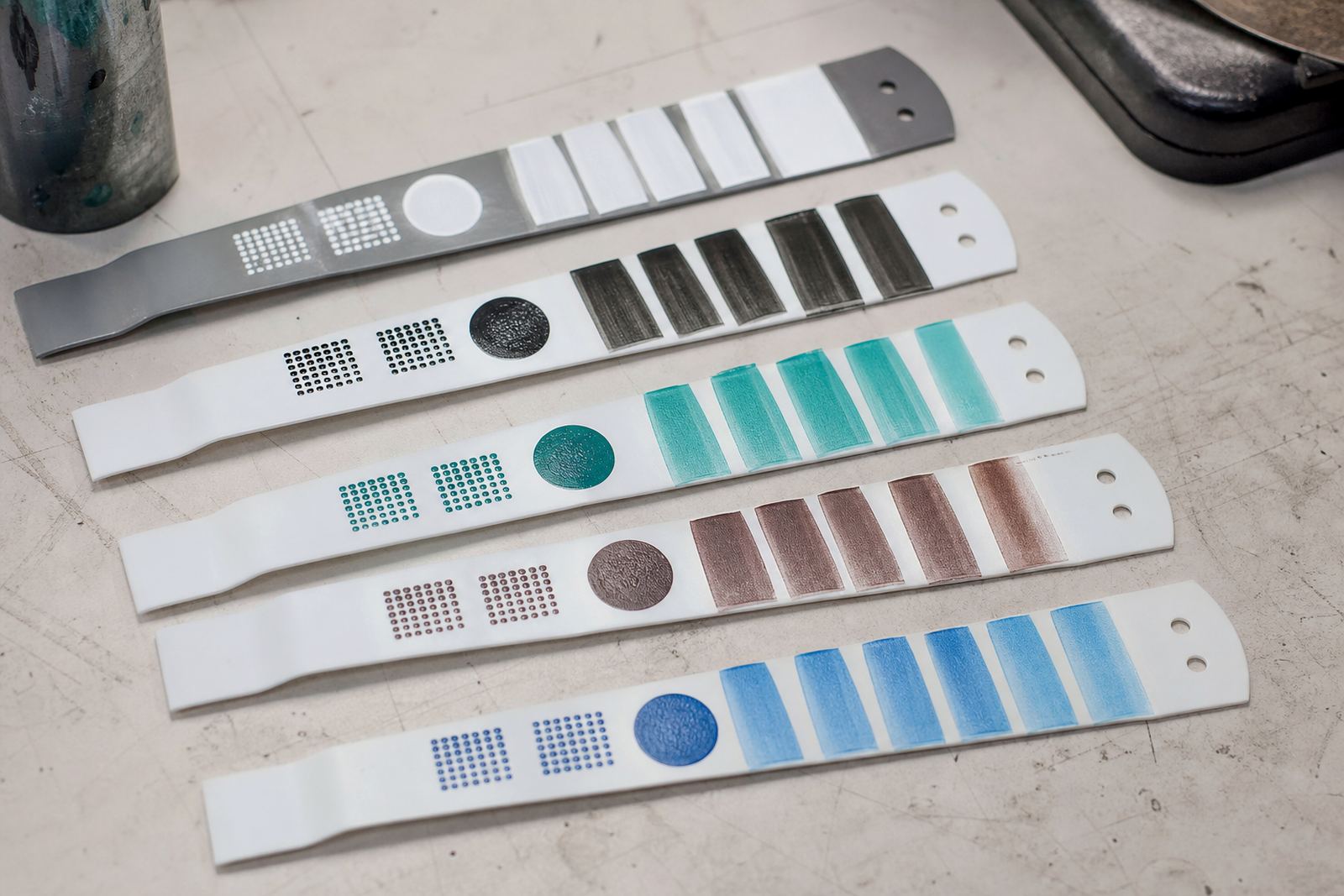
We prepare colour references for repeat use, then check how the ink behaves on the intended substrate. This includes visual comparison under practical light, drying or curing checks, and review of opacity on small markings such as icons, legends, numbering and control labels. Where the part is going into a high volume production line, the matching process also considers how the print will hold up across long runs and re-runs.
- Matching against the actual part or approved sample
- Review of substrate colour, gloss and texture
- Assessment for small text, symbols and fine line work
- Checking colour after curing, not only while wet
What Colour Matching Service Covers
The service covers the practical steps needed to prepare a production-ready ink match for pad printing. That includes colour assessment, ink selection, test prints and adjustments until the result is acceptable for the job. If the same part is printed in batches over time, we can retain the working colour reference and production notes so the next run starts from the same point. This helps reduce drift between jobs and supports more consistent output when parts are being printed for assembly, packing or dispatch.
Where needed, we also look at how the mark will sit with the part after curing and packing. Some components need a print that is readable in normal use, but not too heavy on the surface. Others need stronger opacity for dark housings or printed legends that must stay visible. We do not set compliance requirements for the device itself, the manufacturer remains responsible for that. Our role is to provide the colour and print consistency needed for the marking task.
- Ink selection for the intended material and finish
- Trial sample runs before full production
- Adjustment of hue, strength and opacity
- Retention of approved colour notes for repeat jobs
Ink matching at the Westmead bench
Jobs are handled from our Westmead base in Pinetown, with support for manufacturers across Durban, Johannesburg, Cape Town, Pretoria and Gqeberha. The process begins when you send through an enquiry with the part details, the artwork or reference image, and the quantity you need printed. If there is an existing sample, we compare it to the substrate and decide whether the match can be achieved with the standard ink set or whether a different curing route is more suitable. In some cases a slight change in the base mix or pigment load gives a better result than trying to force one colour across different plastics.
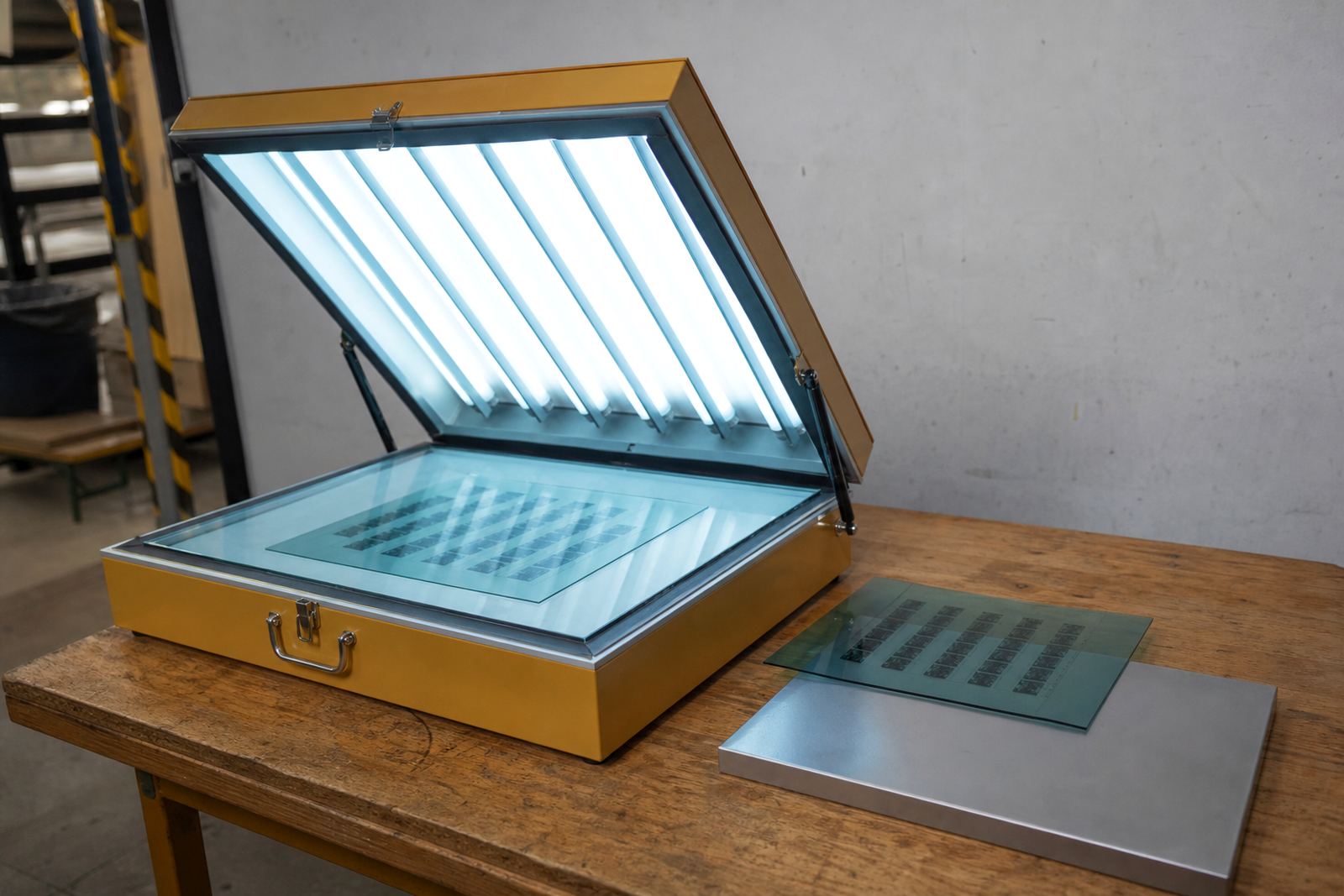
From there we prepare a sample print, cure it, and check the finish under practical light. If the appearance still needs refining, we adjust and repeat the sample. For jobs that must run on a production line, we also consider the drying or curing window so the ink can be handled without marking or transfer.
- Receive part details, sample and print requirement
- Review the substrate and select a suitable ink system
- Prepare a test sample and cure it
- Check the colour, coverage and handling quality
- Approve the match and release for production
Turnaround, Batch Control and Repeat Jobs
Turnaround depends on the complexity of the match, whether a physical sample is available, and how many adjustments are needed before approval. Simple re-matches on known parts can move quickly, while new materials, odd textures or multiple colour references may take longer. For manufacturers, the benefit of a proper colour match is that repeat work stays closer to the approved standard, even when the job returns months later. That is useful for spare parts, replacement components and ongoing assembly work.
We keep job notes so repeat runs can follow the same reference, same ink approach and same curing method. This reduces variation when parts are printed across different batches. We recommend periodic review of the approved sample, especially where the component material changes, the mould finish is altered or the part is used in a coastal environment where humidity can affect handling and drying.
- Review approved sample before each repeat run
- Check pads, plates and mixing notes on scheduled intervals
- Reconfirm colour after storage changes or substrate changes
- Allow for seasonal humidity and workshop conditions
Pricing Approach and What Affects the Job
Pricing is based on the work involved in getting the colour right for the part, not on a one-size-fits-all rate. The main factors are the number of test rounds, the type of substrate, the complexity of the finish and whether the job needs special curing control. A plain solid colour on a stable part is usually simpler than a matched shade on a textured housing or a small label area with fine detail. If artwork needs redrawing or the print area needs planning, that is treated as part of the setup stage.
We keep the pricing approach practical and clear for manufacturers. The quote reflects the sample work, matching time, production setup and the need for future repeatability. For larger runs, the focus is on keeping the approved colour stable across the full batch so the final packing line does not get held up by rejects. For smaller repair or replacement runs, the focus is on matching the existing part as closely as possible without overcomplicating the process.
- Sample count and adjustment time
- Substrate type and surface finish
- Production volume and repeat-run needs
- Curing method and handling requirements
Who Handles the Work and When to Ask for a Match
PadPrinters Medical is led by Sibusiso Naicker, with support from Naledi Kekana in production, Sanjay Dookhi on artwork and plate work, Lerato Mabunda on quality control, Yashika Sewpersad in client services and Mfundo Xaba on machine setup. The team handles colour matching for medical and electronic components that need dependable marking and a repeatable production result. Whether the job is for Durban, Johannesburg, Cape Town, Pretoria or Gqeberha, the practical aim is the same: a colour that behaves properly in pad printing and stays consistent from sample to run.
If your part already has an approved colour, bring that reference with the component and the print area details. If the job is new, we can work from the material, the intended use and the visual standard you want to achieve. Customers stay responsible for their own device compliance and final approval. Our service is focused on the printing side, helping you get the colour right before the run begins.
- Use when you need repeatable brand or legend colour
- Useful for replacement parts and ongoing production
- Best started before full batch printing begins
Run details
| Process | Pad printing ink colour matching for medical and electronic components |
|---|---|
| Substrates | Plastics, coated surfaces, metal parts and textured mouldings |
| Output | Approved sample reference for repeat production |
| Curing | Matched to the selected ink system and handling window |
| Coverage | Durban, Johannesburg, Cape Town, Pretoria and Gqeberha |
| Base | Westmead, Pinetown |