
Project brief for a Parow manufacturing run
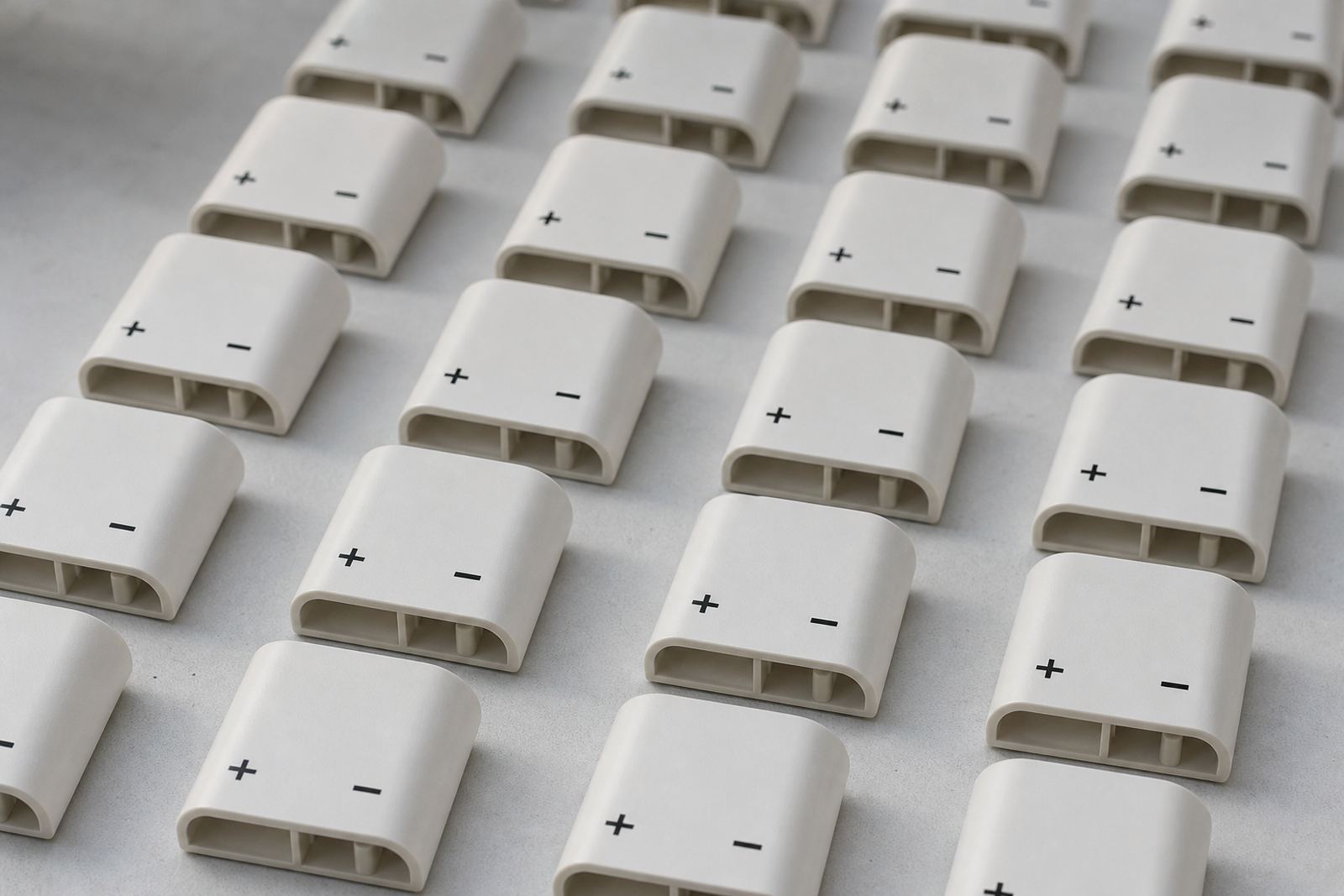
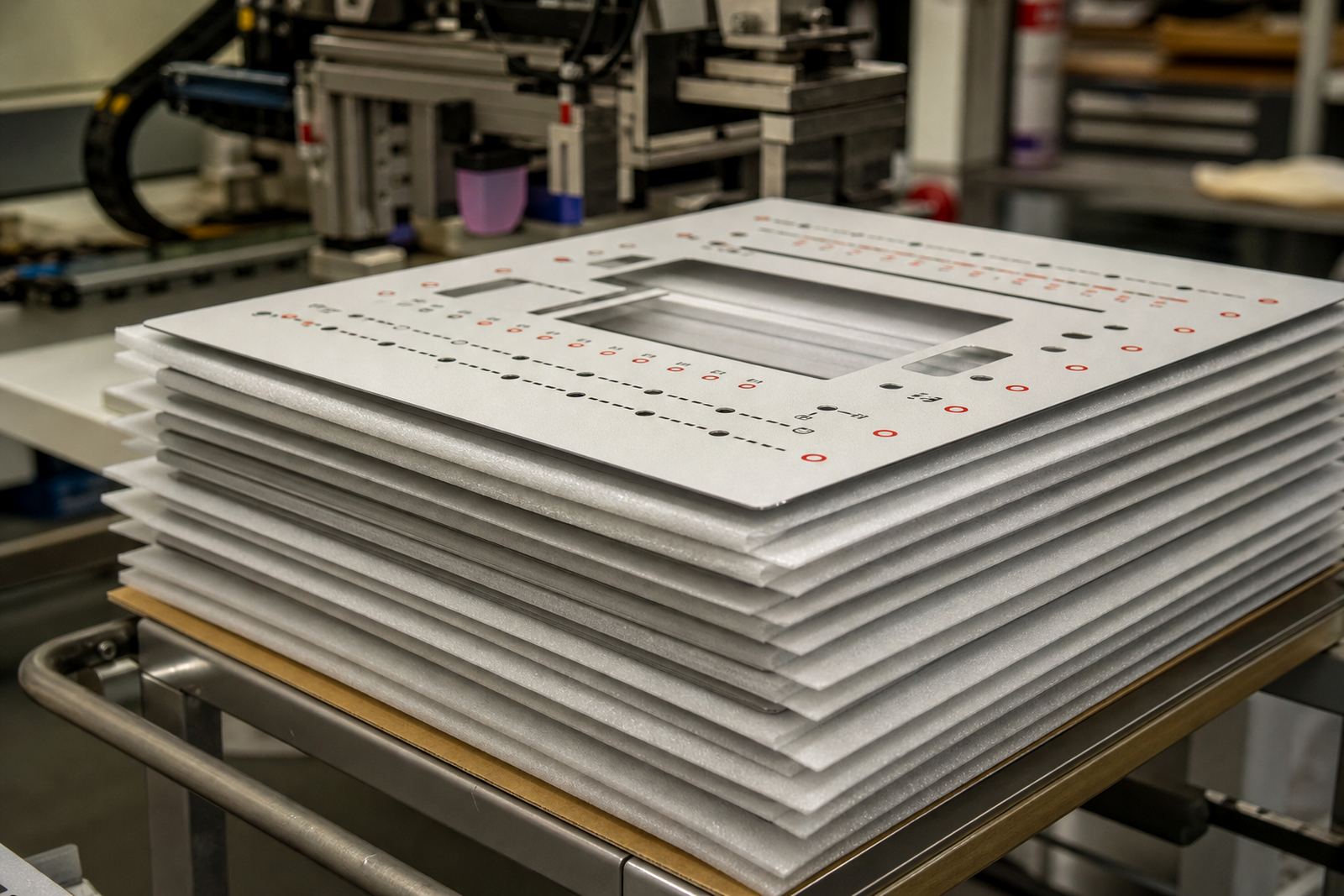
The work came from a contract manufacturer in Parow supplying control panels for an industrial assembly programme with parts moving through Cape Town, Johannesburg and Durban. On these Hillcrest wearable cases, the print looked straightforward until the curved face and edge control had to be held together.: print two colours onto rigid faces, keep the legend legible at normal working distance, and make sure the markings sat neatly around cut-outs, indicator windows and fixing points.
Because these panels were handled during assembly and later cleaned in service, the print had to cope with rubbing, light solvents and repeated touch points. The parts were not large, but the layout was tight and the face areas left little room for error. We set the job up around accurate registration, repeatable curing and a clear approval path before full production started.
What made the part difficult to print
Rigid control faces can look straightforward until you deal with the real constraints. The substrate was smooth and unforgiving, so even a small shift in plate position would show immediately. There were also mixed features on the same face, including embossed areas, recesses and small icons that needed clean edges without filling in.
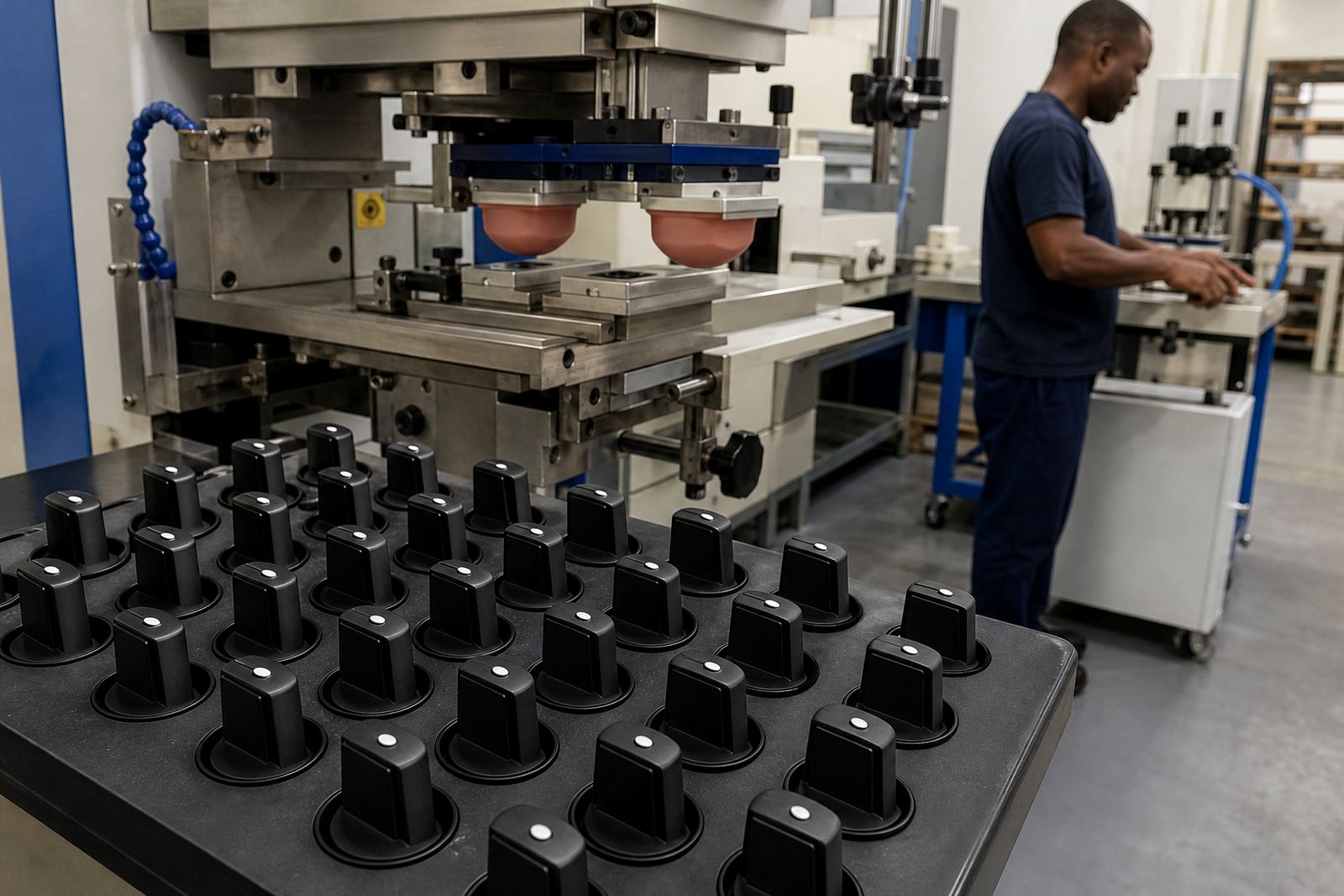
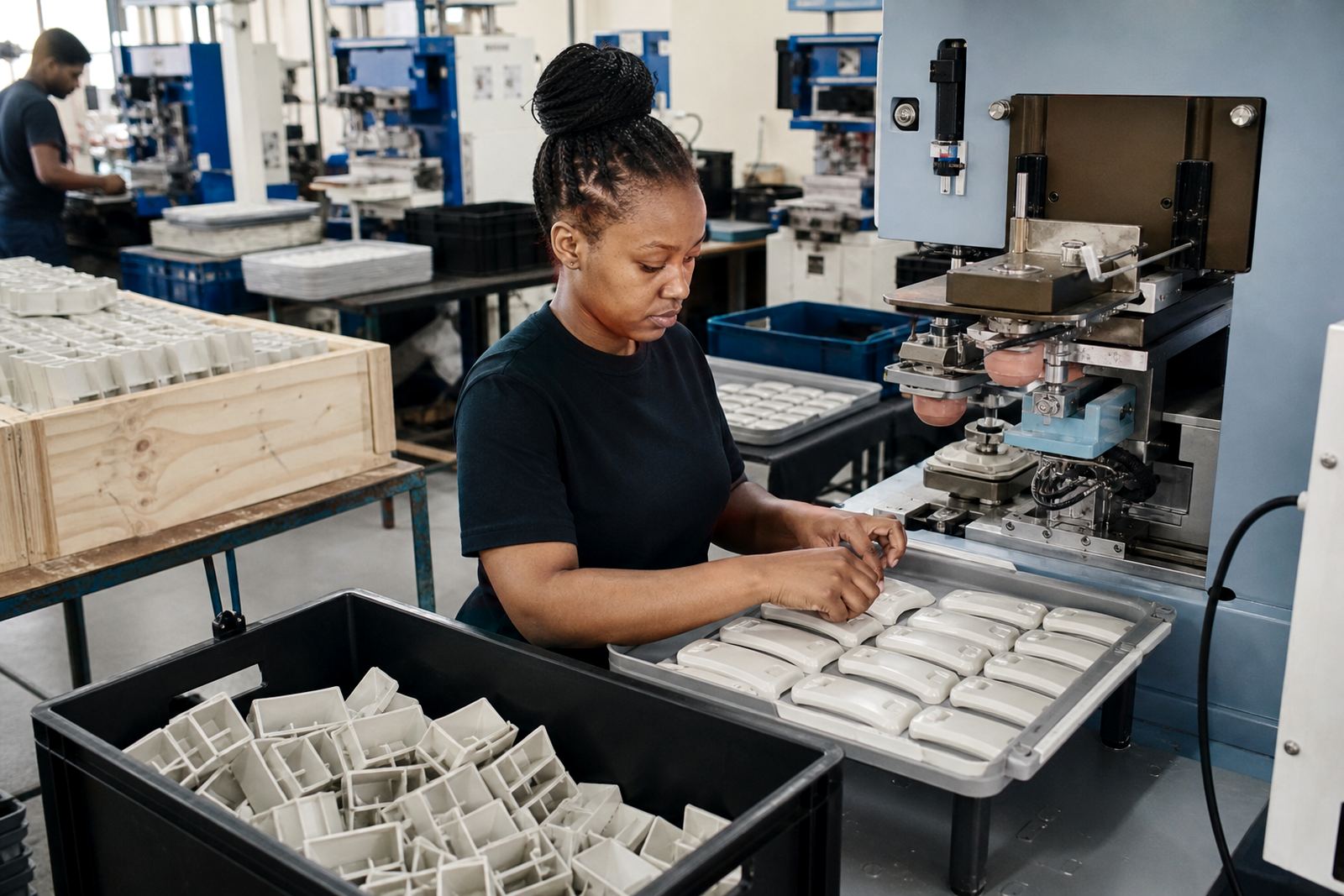
We treated the run as a controlled print process rather than a simple mark-on-part task. That meant setting up the artwork to suit the shape of the face, checking line weight for the smaller legends, and selecting inks that would transfer cleanly from the etched plate through the silicone pad onto the part surface. For this project, consistency mattered more than speed, because every panel had to match the approved reference. The customer also needed a finish that could go through its own internal checks without extra rework.
- Two-colour marking on rigid panel faces
- Fine text and symbol placement around cut-outs
- Print stability on smooth manufactured parts
- Repeatable appearance across batch production
How we handled artwork, plates and trial samples
We started with artwork preparation and logo redraws where needed, then planned the print area to suit the face geometry. The supplied art was cleaned up for consistent stroke thickness and spacing, which helped avoid weak detail in the smaller characters. After that, the plate artwork was laid out for plate exposure and plate etching, with the two colours separated so each pass could be checked on its own.
Before the main run, we produced adhesion test samples and trial sample runs to confirm placement, ink laydown and curing behaviour. The sample stage matters on control panels because it shows up issues before the batch gets locked in. If the first sample is off by even a fraction, the error gets repeated across the lot. On this job, the sample stage let us confirm alignment on the first pass and refine the fixture points before production. That saved time later and kept the handling simple for the client team.
- Artwork clean-up and redraw where required
- Plate exposure and etching for both colours
- Trial samples before batch release
- Adhesion checks on the printed finish
Print setup, curing and rerun control
The final production process used silicone pads selected for the panel size and the amount of detail in the legend. Silicone pad shape matters because it has to pick up the ink evenly and release it cleanly onto the face without smudging the edges. We also set the curing method to suit the ink system and the part material, then checked each stage so the finish would hold during handling and subsequent assembly.
For a job like this, rerun job control is just as important as the initial print. If a batch comes back later, the setup notes have to be precise enough to match the earlier output. We kept the machine settings, plate reference, ink mix and curing sequence recorded for repeat production. That gives the client a practical route for future orders, especially when multiple sites are involved and parts may be dispatched into different production streams.
- Silicone pad selection for fine detail transfer
- Ink matching to the approved sample
- Curing method selection for durability
- Rerun job control for future batches
Timeline from sample approval to dispatch
That timeline gave the client enough time to compare the samples against their own internal build sequence and confirm that the printed faces would work in assembly. It also allowed us to keep the job moving without rushing the curing stage. On printed control panels, curing needs proper respect because a finish that looks dry can still be vulnerable if it goes out too early. We kept the flow steady and packed the parts so edges and printed areas stayed protected in transit.
Outcome for the Parow control panel programme
The result was a clean two-colour print with sharp alignment and readable markings on each control face. The client had a batch that matched the approved samples and could move into their own production sequence with confidence. From our side, the job confirmed the value of proper artwork planning, fixture making and controlled sample approval on rigid industrial parts.
If we were to repeat the work, we would follow the same process: start with a careful redraw, lock down the print area early, and complete adhesion and trial checks before full production. For control panels used in medical and electronic equipment, that approach keeps the print practical and gives the manufacturer a dependable base for their own compliance responsibilities. We do the marking, they remain responsible for the final device and product requirements.
- Sharp two-colour result across the batch
- Consistent panel-to-panel alignment
- Protected parts packed for dispatch
- Repeatable setup for future orders
Run details
| Project | Parow Control Panels |
|---|---|
| Client type | Contract manufacturer, no company name disclosed |
| Location | Parow, Cape Town |
| Marking method | Pad printing |
| Print colours | Two colours |
| Timeline | 3 weeks from artwork review to dispatch |
| Work carried out | Artwork preparation, plate etching, trial samples, curing selection, packing |