
Why a saved file is not enough
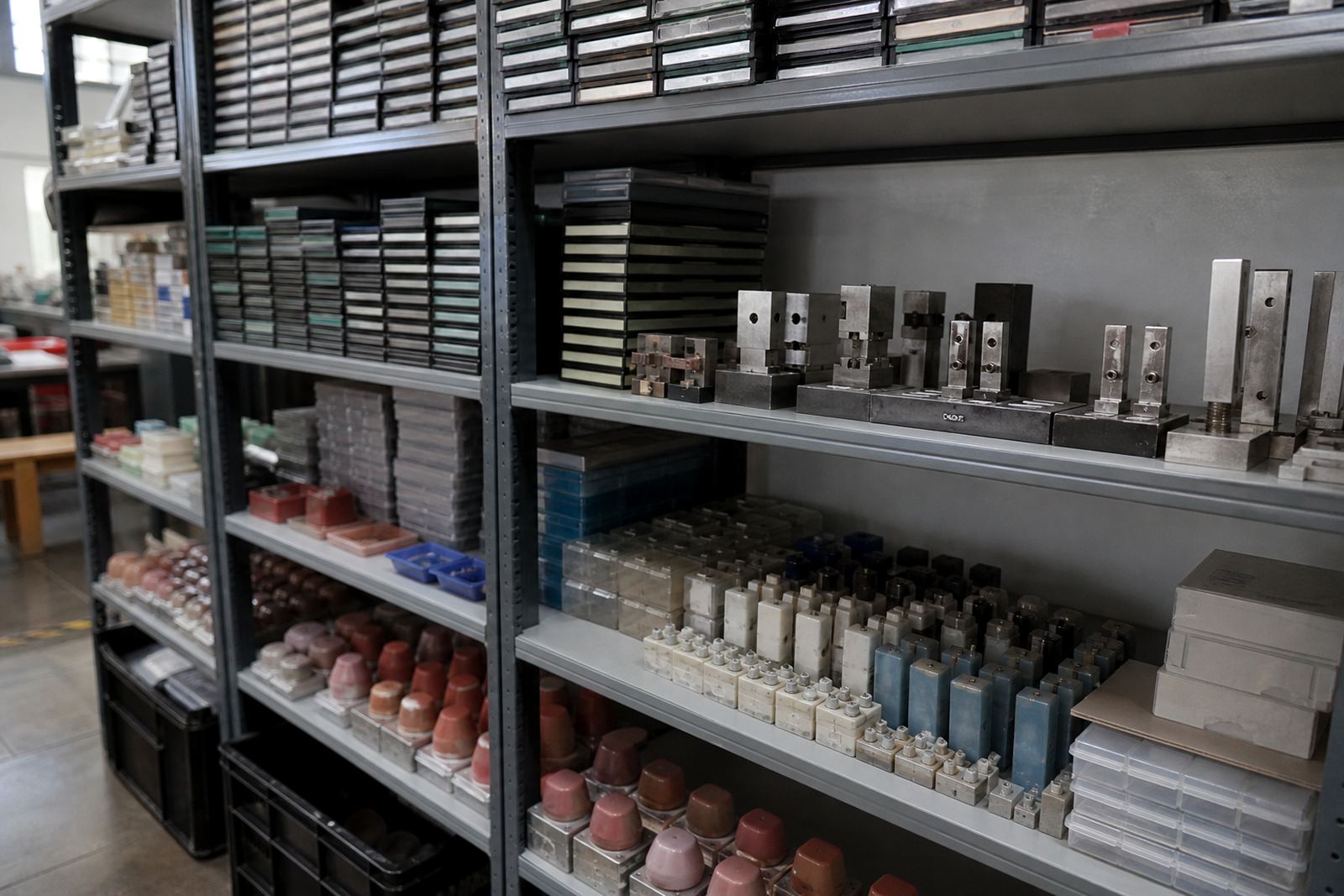
A repeat pad printing job looks simple on paper. The logo, code or symbol is already approved, so the next run should just match the first one. In practice, the part surface, the ink condition, the room temperature and even the way a component sits in its fixture can shift the result. That is why stored setup information matters. It gives the team a working reference for the next batch instead of starting again from scratch.
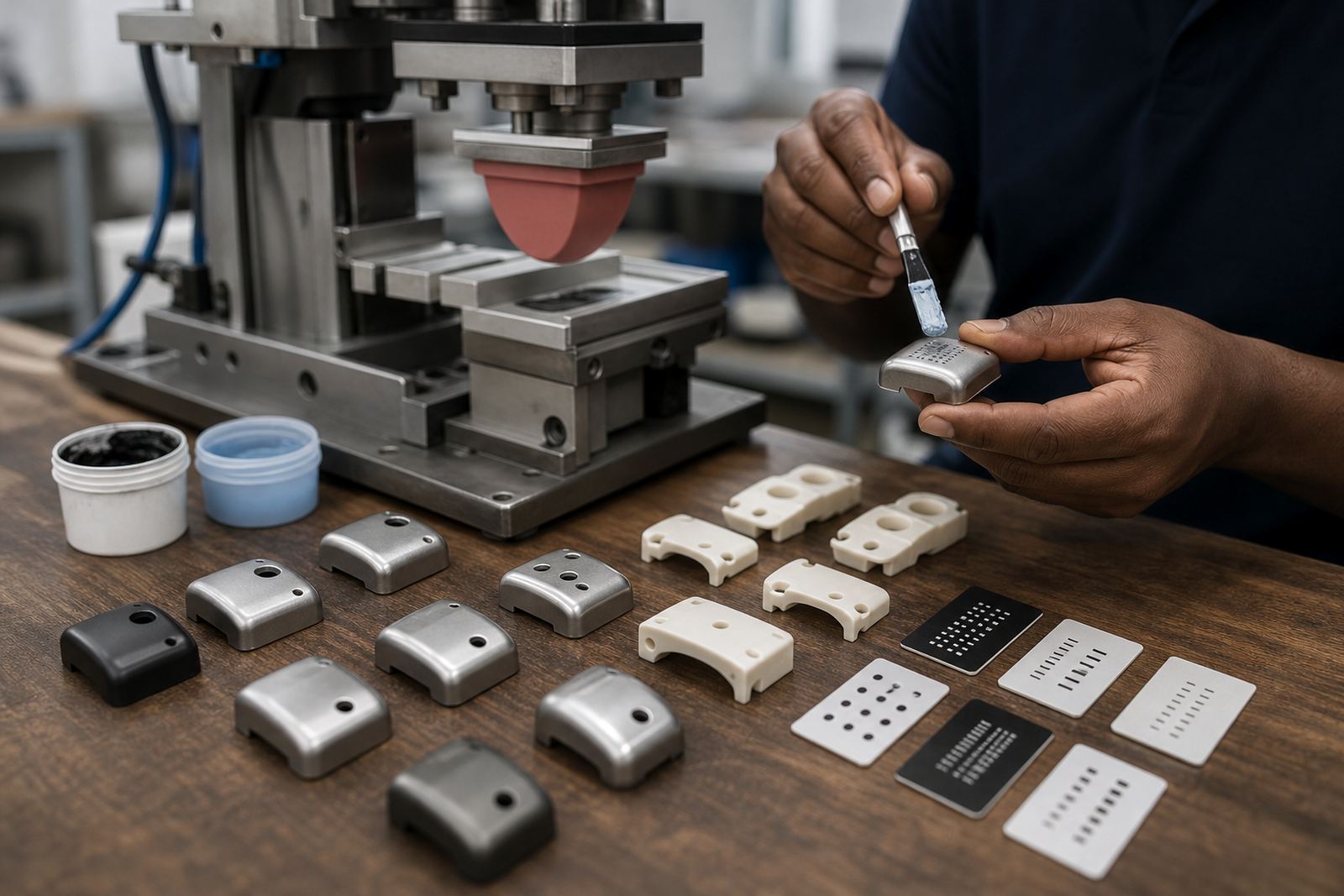
On medical and electronic parts, small changes can affect legibility and adhesion. A rerun on a plastic housing for a handheld device may need a slightly different cure, while a marked stainless steel piece may need a fresh adhesion test sample before production starts. The goal is to get the same mark each time, not just something that looks close enough.
What gets recorded during the first run
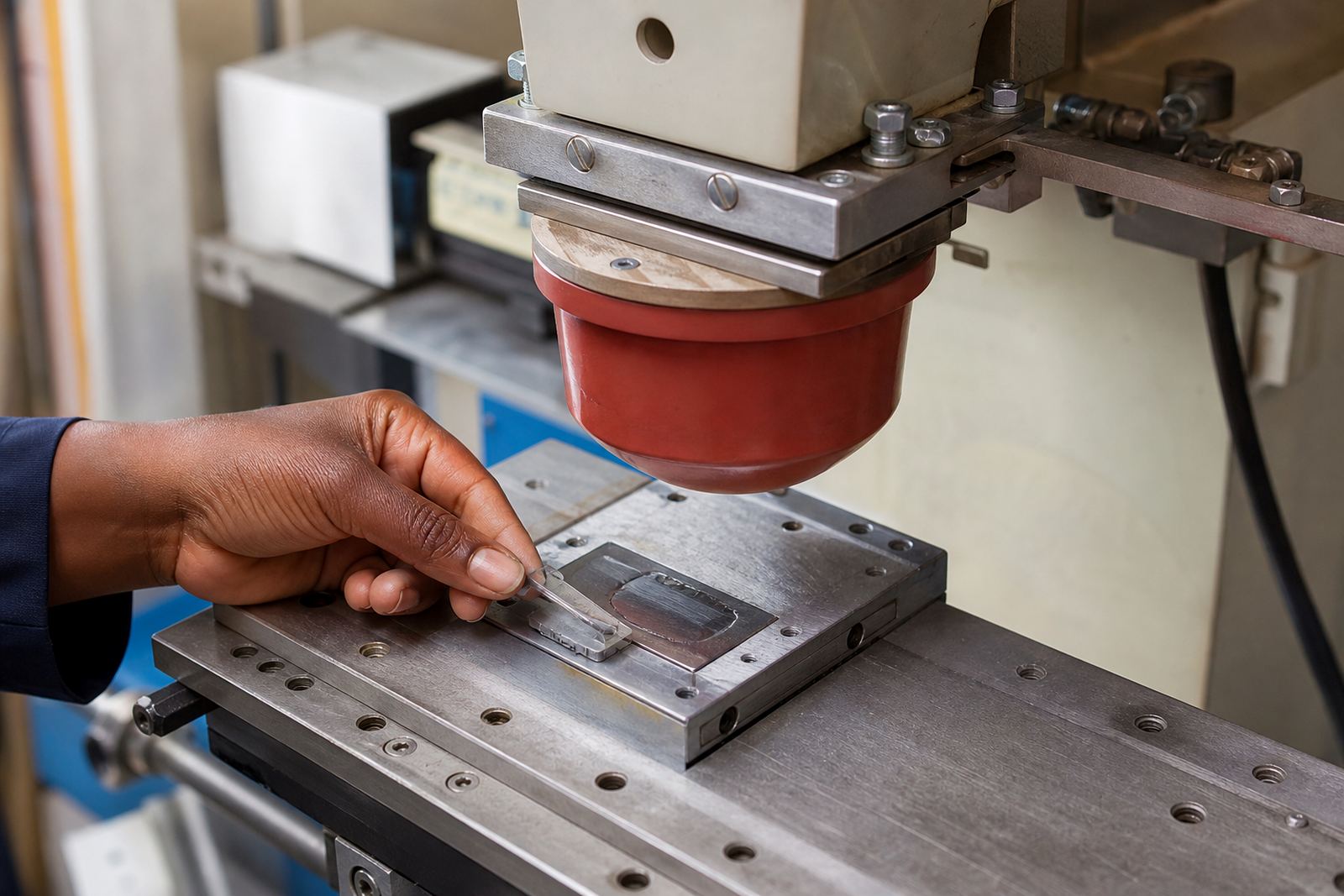
The first run sets the baseline. Artwork preparation, plate exposure, plate etching and fixture making all shape the final result. Once a print is approved, the useful details are recorded so the same job can be repeated with less trial and error. That includes the image position, the order of passes, the ink mix used for the substrate, and the curing method selected for the part.
- Artwork version and any logo redraws
- Print area dimensions and component orientation
- Plate details, including exposure and etch settings
- Ink type, mix notes and drying or curing method
- Fixture position and clamping points
- Approval sample notes and rerun job control records
These details are practical, not decorative. They help the team return to the same setup weeks or months later and reduce the risk of a shifted print, patchy cure or poor adhesion.
How rerun job control protects consistency
Rerun job control is about keeping the history of a job tidy enough to be useful. If a component changes slightly, the stored notes should show what changed and what stayed the same. That makes it easier to decide whether to use the earlier setup as is, or make a small adjustment before production starts. A rerun should not rely on memory alone because one missed detail can affect the whole batch.
For manufacturers working out of Durban, Johannesburg or Pretoria, repeat work often comes after a production pause or a re-order from the same assembly line. A clean record helps with planning, especially when jobs need to be slotted between other work and dispatched on time.
- Confirms whether the same part revision is still in use
- Flags any change in substrate, finish or supplier
- Shows whether a fresh sample run is needed
- Helps production teams set realistic dispatch timing
- Makes follow-up corrections easier if a mark shifts
Medical parts and the need for repeatable marking
Medical components often carry part numbers, reference marks or handling instructions that must stay readable through use, cleaning and storage. Pad printing suits these parts because the silicone pad can pick up fine detail from the etched plate and place it onto small or curved surfaces. But repeatability only works if the earlier conditions are remembered accurately.
On a rerun, the team may review adhesion test samples, check whether the same resin or metal finish is being used, and confirm if the cure profile still suits the batch. If a device housing has a different texture from the previous order, the ink may need a slight adjustment. That is normal. The important thing is that the change is made on purpose, not by accident.
Electronic parts and the pressure to keep marks clean
Electronic components are often small, detailed and packed with features, so the printed area can be tight. A repeated job might involve button surrounds, casing inserts, covers or control panels. These parts need clean edges and consistent colour, especially where symbols, numbers or warning markings must stay readable after handling and assembly.
Stored setup information is useful here because it helps the team keep the pad movement, ink transfer and curing sequence aligned with the original result. If the part has changed slightly, for example a new mould finish or a revised opening, the fixture may need a tweak. That can be handled quickly when the earlier job notes are clear and the artwork files are ready.
When a rerun needs a fresh check instead of a straight restart
Some repeat jobs can go straight back into production. Others need a short review first. This is especially true when the part was stored for a long time, the coating has changed, or the component now comes from a different supplier. In coastal areas like Durban, humidity can also affect ink handling and drying, so a setup that worked in winter may need a small adjustment in summer.
Before the rerun starts, it helps to ask a few direct questions:
- Is this the same component revision as last time?
- Has the surface finish or material changed?
- Does the old print still match the current artwork
- Is the same curing method still suitable?
- Do we need new trial sample runs before full dispatch?
A short review at the start saves time later. It also avoids the far more annoying job of correcting an entire batch because one setting was carried over without checking.
A Westmead example: repeat support for a national supply run
A manufacturer in Cape Town may place a repeat order for marked electronic housings while another site in Gqeberha needs the same part number on a related medical component. The job may look similar from the outside, but each run still needs its own record. At PadPrinters Medical in Westmead, Pinetown, stored setup information is used to keep both jobs moving with the right artwork, plate details, fixture notes and dispatch packing requirements.
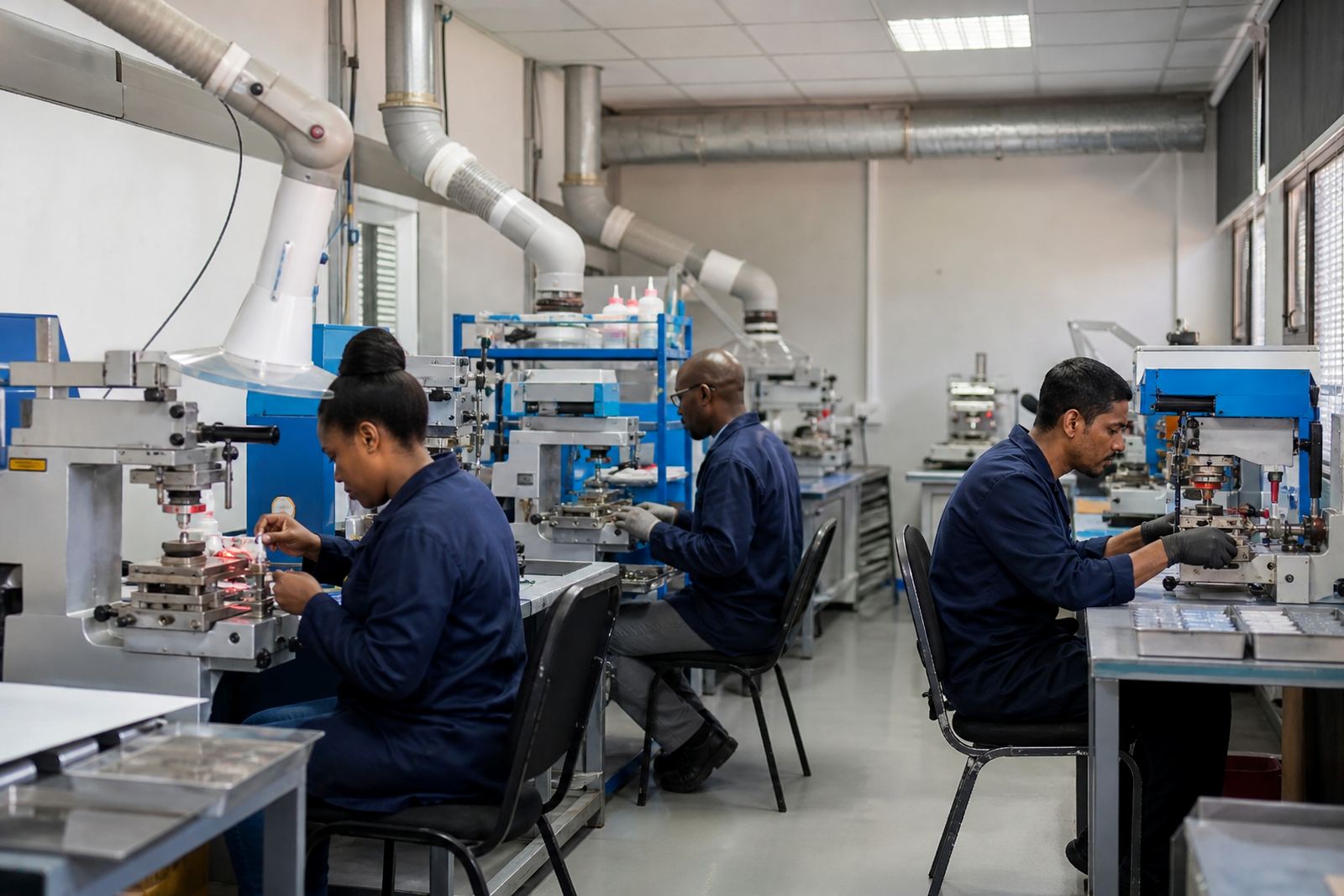
That approach is useful for clients across South Africa, whether the next batch is going to Johannesburg, Pretoria, Durban or further afield. The same team members who handled the first run can check the job history again: Sibusiso Naicker on overall control, Naledi Kekana on production, Sanjay Dookhi on artwork and plate work, Lerato Mabunda on quality, Yashika Sewpersad on client coordination and Mfundo Xaba on machine setup. It keeps the rerun practical, traceable and ready for the next production slot.