
When a Label Works and When It Does Not
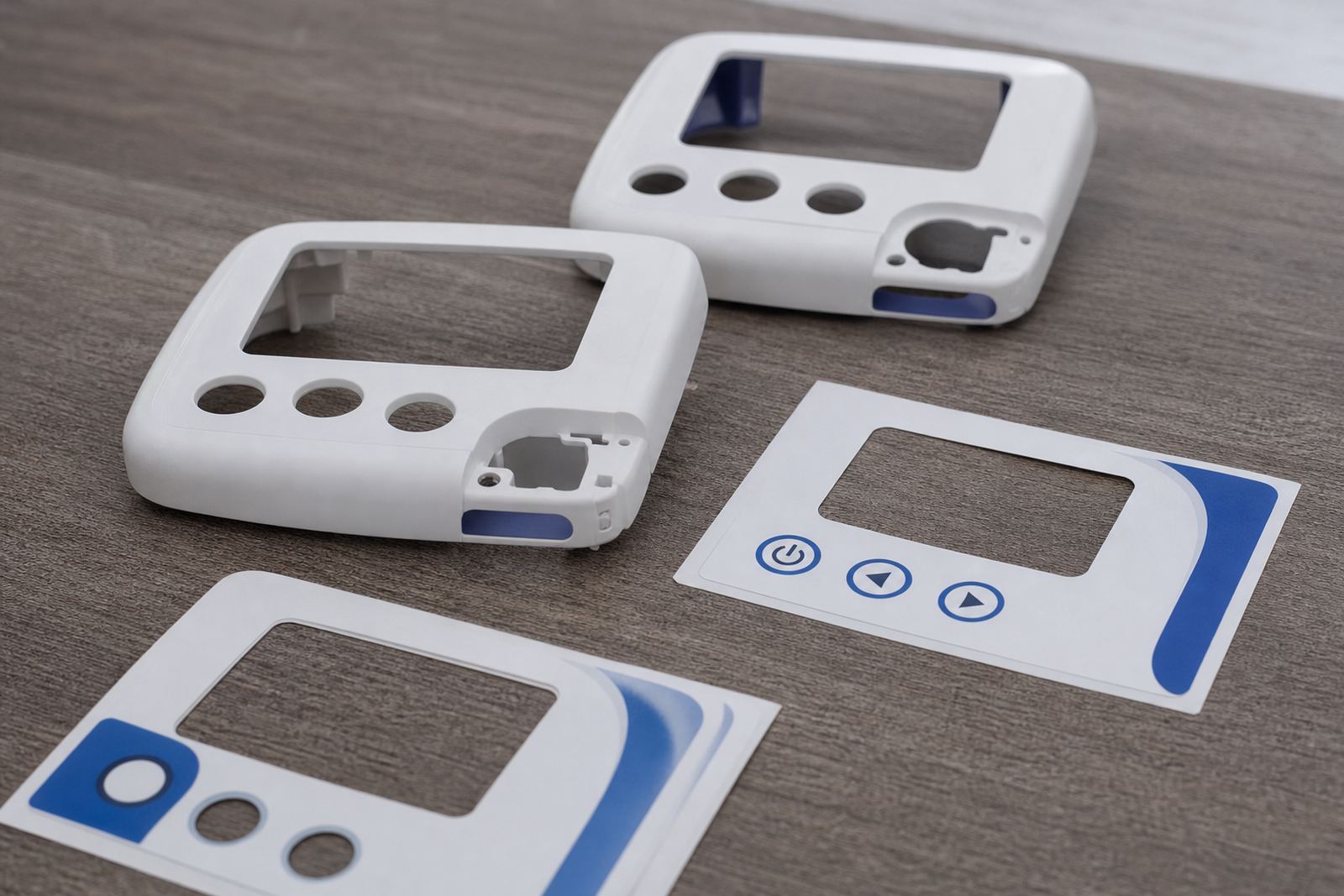
Labels are often the quickest way to add product information, part numbers or warnings. They can suit flat or lightly curved surfaces, and they are useful when a component needs variable data, batch detail, or removable identification during production. On clean, smooth parts they can be applied quickly and keep the print area simple.
But labels are not always the best answer for medical and electronic parts. Edges can lift, adhesive can soften in heat, and some surfaces do not accept a label well at all. If a part is regularly wiped with alcohol, exposed to moisture, or packed tightly with other components, the label may start to fail long before the component itself reaches end of life.
- Best for flat panels, cartons, temporary identifiers and some internal tracking labels.
- Less suited to frequent handling, tight corners, textured housings and parts with repeated cleaning.
- Useful where the printed information changes often and the part surface is not ideal for ink transfer.
How Pad Printing Puts Markings Straight Onto the Part
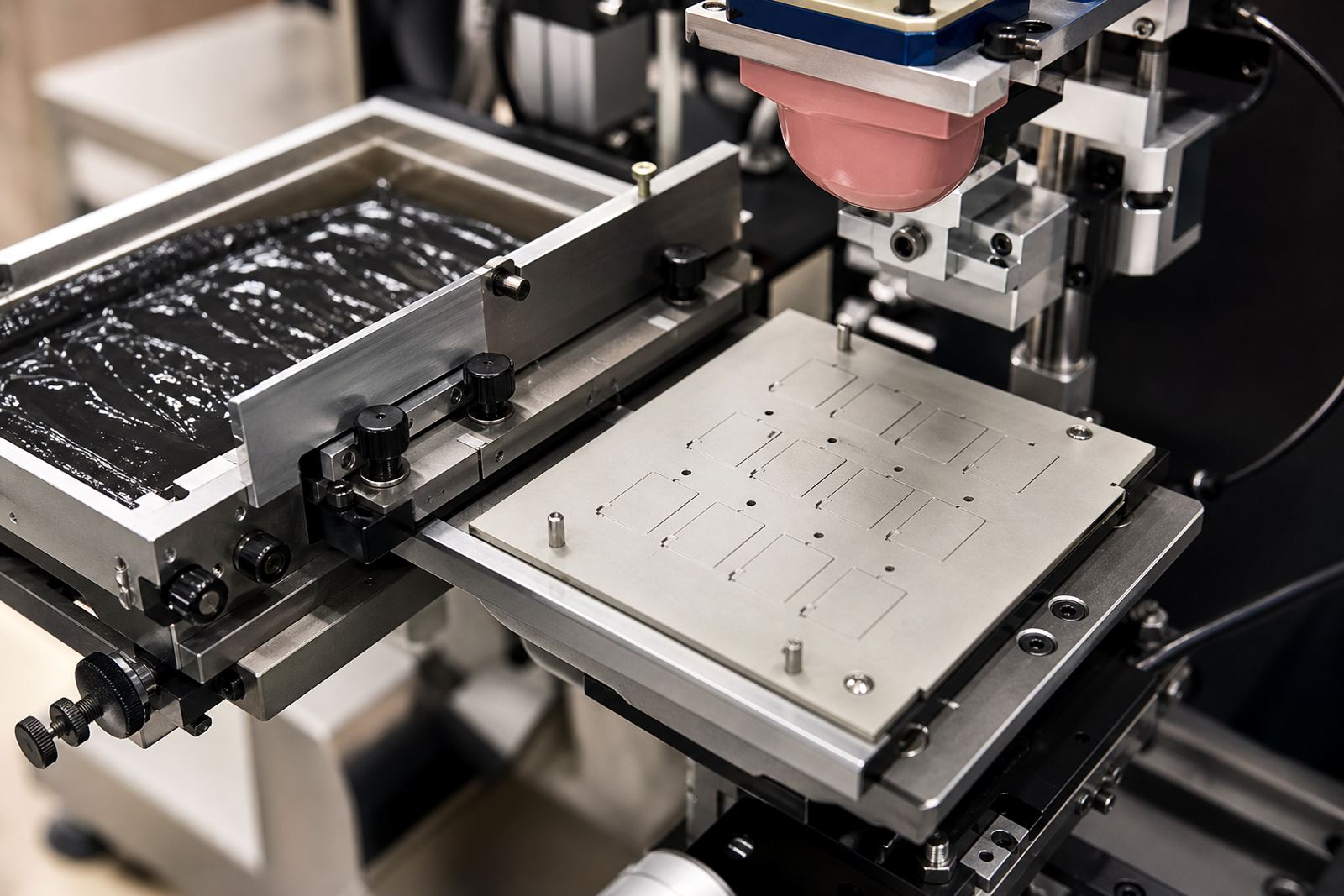
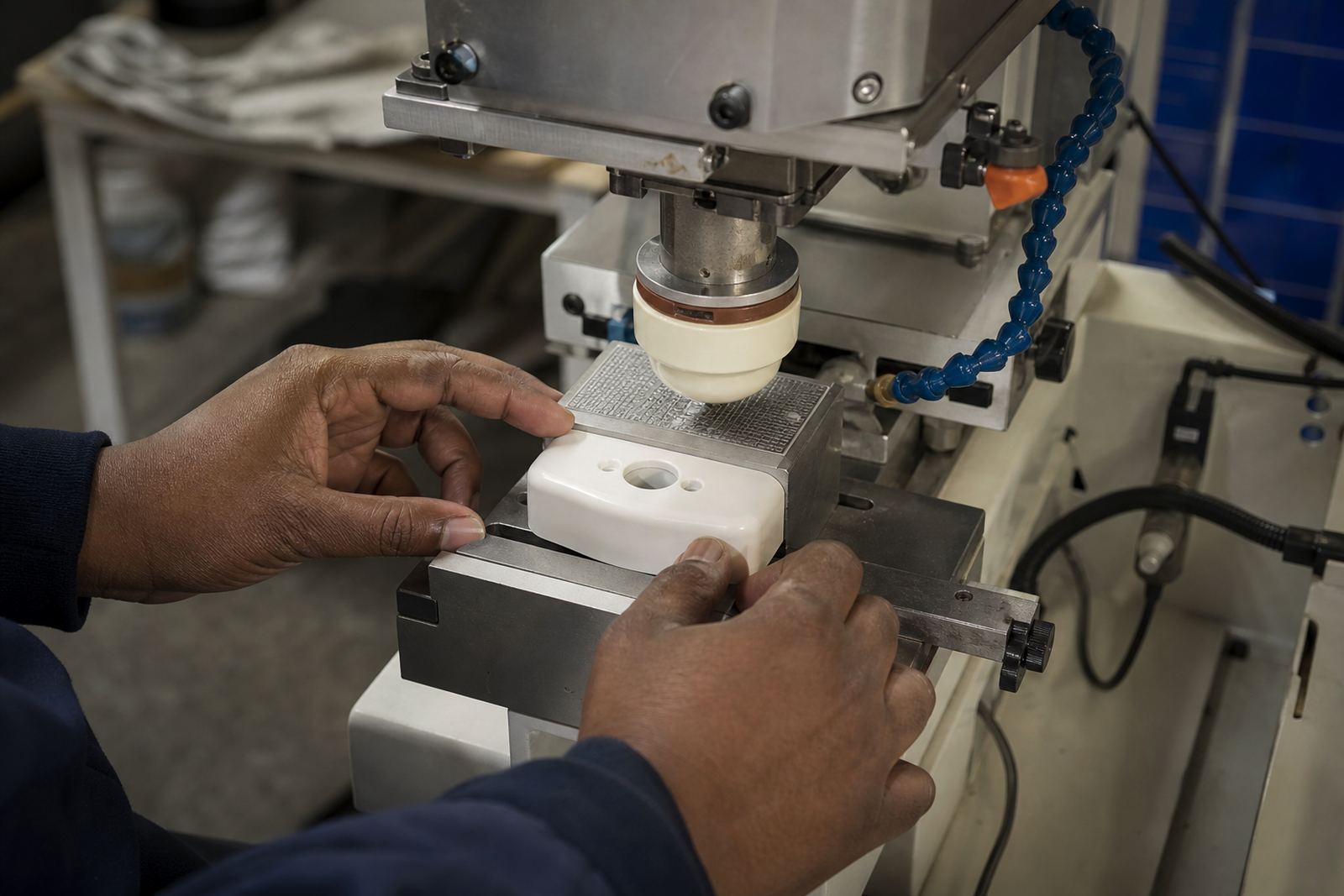
Pad printing transfers ink from an etched plate onto the part using a silicone pad. The pad picks up the image, compresses to the shape of the component and deposits the marking onto plastic, metal or coated surfaces. That is why it works so well for small controls, housings, medical fittings and electronic enclosures where the marking area is limited.
The process is built for detail. Fine text, symbols, serial references and logo marks can be placed accurately onto curved or uneven surfaces. After transfer, the ink is cured so it bonds properly to the substrate and stands up better to handling, cleaning and everyday use. The right ink system and curing method matter just as much as the artwork itself.
In our Westmead operation we plan the print area, prepare the plate, run trial samples and check adhesion before production starts. That saves time later because the part, ink and fixture are already matched to one another. For manufacturers in Durban, Johannesburg or Cape Town, that kind of preparation avoids expensive reruns and delays.
- Suitable for small parts with limited print space.
- Works well on shaped components where a flat label would struggle.
- Can be set up for consistent repeat runs once the artwork and fixture are approved.
Durability, Cleaning and Daily Plant Use
The strongest argument for direct printing is often durability. A properly applied pad print sits on the component itself, rather than on a separate layer that can peel away. That matters on medical and electronic parts that are handled during assembly, tested, packed and unpacked several times before reaching the customer.
Labels can perform well in the right setting, but they still have a failure point at the adhesive line. If the component is exposed to wiping agents, coolant mist, coastal humidity or repeated friction, that edge becomes the weak point. In Durban and other coastal areas this is especially important, because moisture can test the bond on lower grade materials very quickly. When the marking must stay legible for the life of the part, printing is often the safer choice.
- Direct print is better for repeated cleaning and handling.
- Labels can suit short-term tracking or packaging, but may not last on the part itself.
Cost in the Factory Is Not Only the Sticker Price
At first glance, labels can look cheaper. They are familiar, easy to understand and simple to apply. Yet the real cost includes labour, setup, replacement, rejects and the time spent correcting labels that lift, twist or land off position. If a line stops to replace a bad label, the savings can disappear quickly.
Pad printing needs artwork setup, plate exposure, fixture making and print testing, so the preparation is more involved. But once the job is stable, the process can be efficient for repeat production. For manufacturers with ongoing part numbers, regular product families or steady volumes, that repeatability often balances the early setup effort. It also reduces the chance of rework after packing, which is where many hidden costs begin.
The better question is not which method is cheaper on day one. It is which method gives the lowest total cost over the full run, including rejections, labour and customer complaints. In that sense, the answer often depends on the part rather than the process alone.
- Labels can suit low-risk, short-life or variable information.
- Pad printing can suit fixed marks that must stay clear and readable.
- Trial samples help compare both methods before full production.
What Manufacturers in South Africa Usually Ask Us to Mark
Across South Africa, from Pinetown and New Germany through to Pretoria, Gqeberha and Johannesburg, the same type of parts tend to raise the same questions. Can the mark fit on the surface? Will it hold up after cleaning? Can the part still be identified clearly after assembly? The answer often comes down to the surface shape and the environment the part will face.
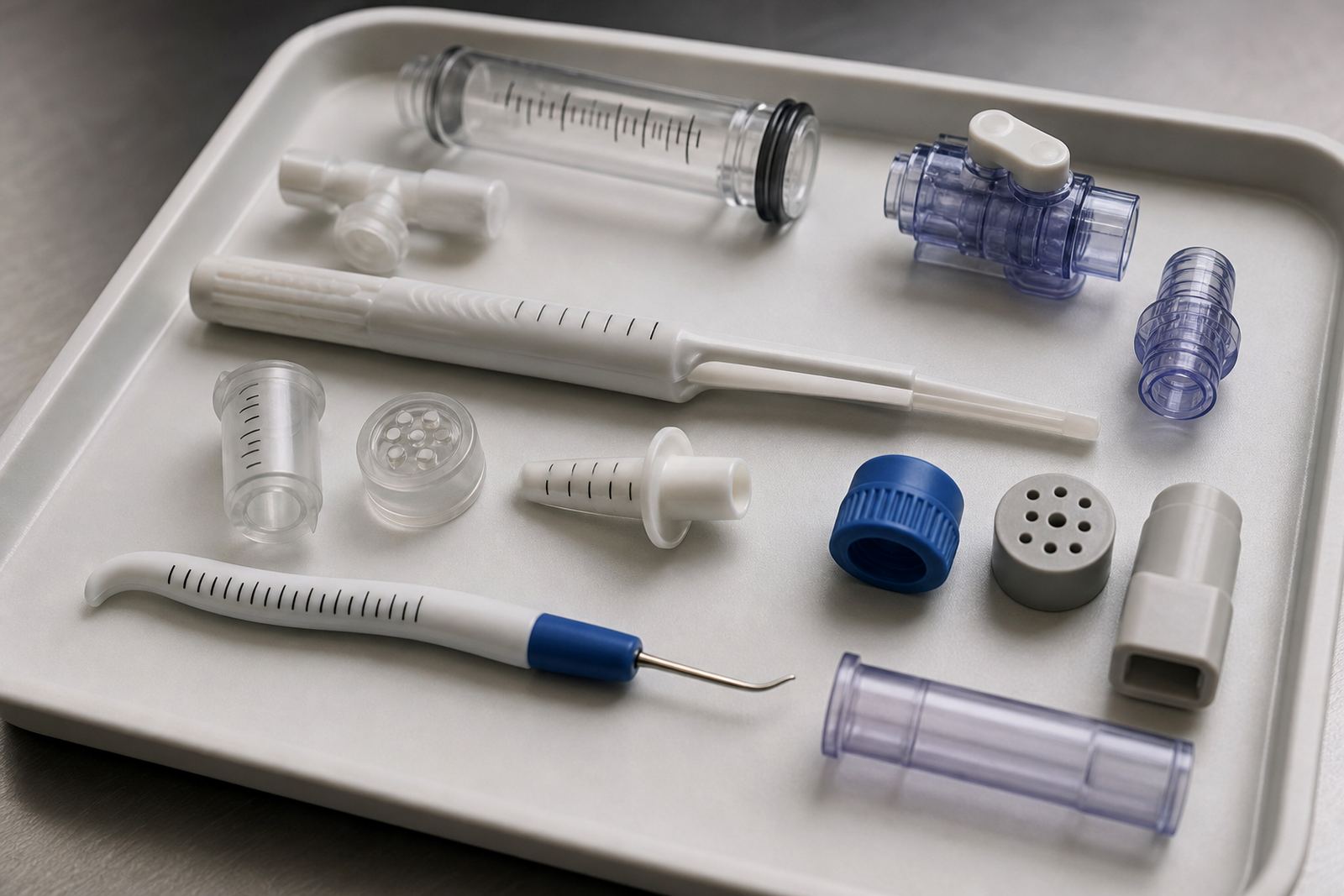
Medical and electronic components frequently need small, precise markings. These may include orientation marks, simple logos, reference text, warning icons or identification codes. Direct pad printing is often chosen when the mark must sit neatly on a curved shell, recessed area or small technical part. Labels still have a place, especially for packaging or outer cartons, but the product part itself is usually where the durability test begins.
As part of a wider product control process, the marking method should be selected by the customer, who remains responsible for device compliance. Our role is to help produce a clear, repeatable mark on the component and to support the practical side of the process with samples, colour matching and rerun job control.
Parts we marked for a plant in the Production Floor
A manufacturer in Durban may send a plastic control housing to Westmead with a simple requirement: a neat mark on a small curved face, no smearing, and a finish that can handle normal cleaning on the line. A label could be applied, but it may sit awkwardly on the curve and begin to lift once the part is handled. Pad printing offers a cleaner result because the silicone pad can conform to the shape and transfer the ink directly where it is needed.
Before starting a run, we would review the artwork, plan the print area, prepare the plate and run adhesion test samples. If the part needs a specific cure method because of the substrate or the ink system, that is selected before production. If the job is going back into regular manufacture after a pause, rerun control keeps the marking consistent from one batch to the next.
For many clients, this practical approach is the difference between a mark that merely appears on the part and a mark that keeps performing in use. That matters whether the order is going to Westville, Johannesburg supply chains or export packing from Durban.
Choosing the Right Method for Your Component
If the marking must stay on the product part, survive handling and remain readable after cleaning, pad printing is usually worth serious consideration. If the requirement is temporary, variable, or better suited to packaging, a label may be the better fit. The right choice depends on the component, the surface and the way the item will be used after it leaves the line.
PadPrinters Medical works from Westmead, Pinetown with manufacturers across South Africa. Our team handles artwork preparation, logo redraws, colour matching, trial sample runs, curing method selection, plate etching, fixture making and dispatch packing. That support helps clients choose the marking method that matches the real job, not just the quickest option on paper.
If you are comparing printing and labels for a medical or electronic part, start with the surface and the use case. That conversation usually points to the right answer very quickly.
- Use labels where flexibility and temporary identification matter most.
- Use direct pad printing where the mark must be durable, precise and part of the component itself.
- Start with a sample, then test before committing to full production.