
Why manufacturers outsource component marking
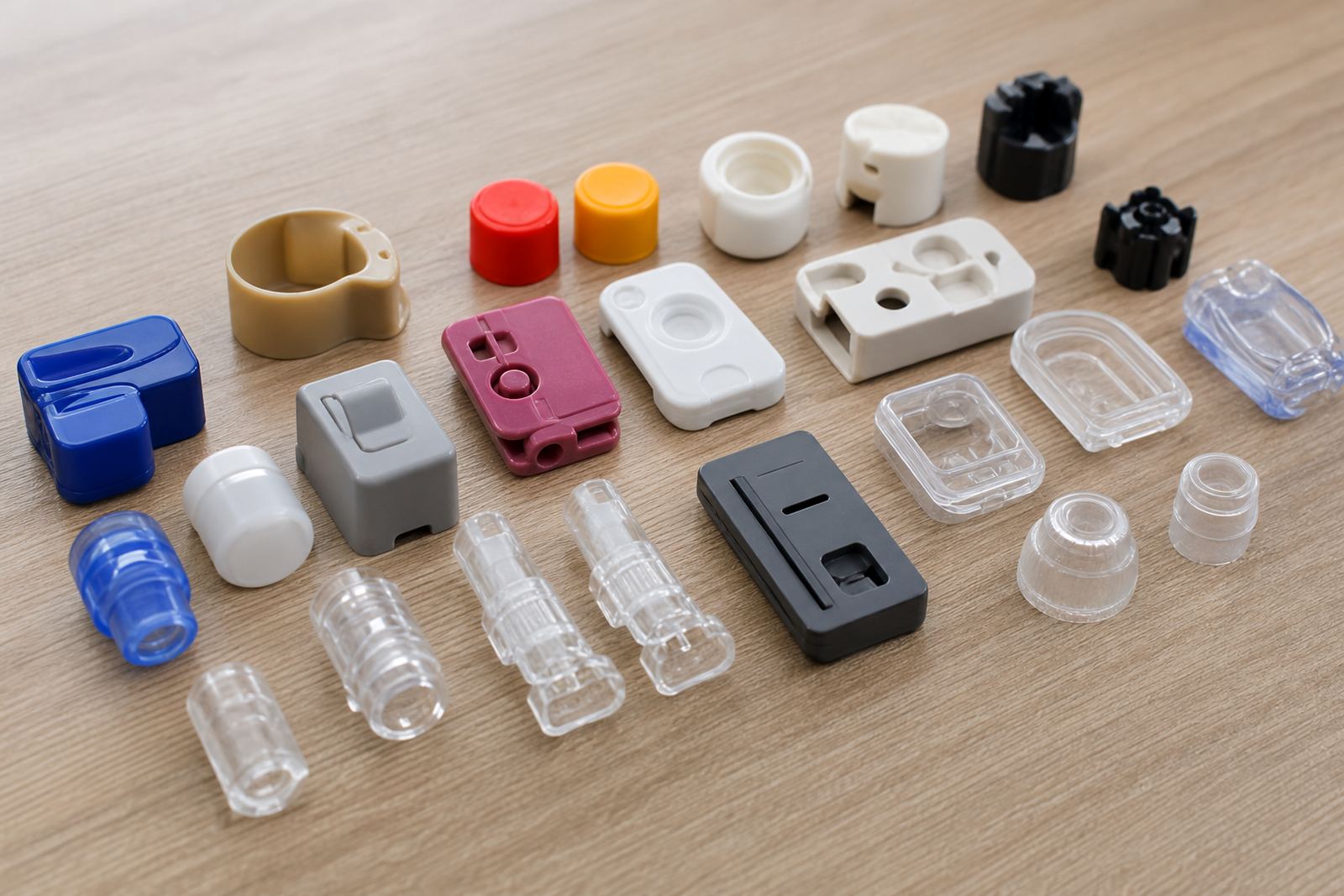
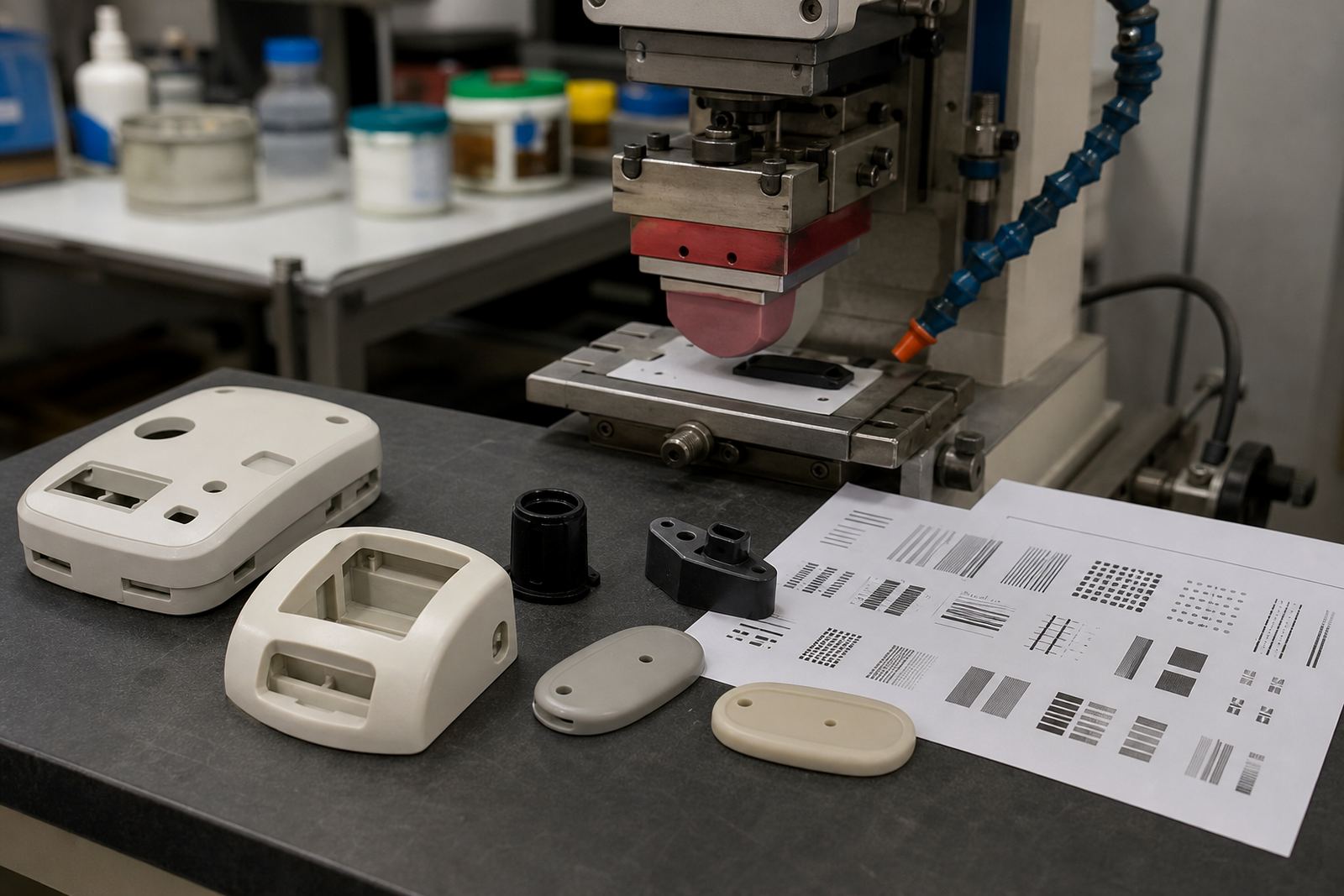
Pad printing is used where a logo, reference mark, scale, symbol or part code must sit cleanly on a curved, recessed or uneven surface. On medical and electronic components, that can mean housings, caps, switches, clips, connectors and other small parts where screen printing or labels are not always suitable. The process uses an etched plate, ink, and a silicone pad that lifts the image from the plate and transfers it to the part.
For many manufacturers, the question is not whether the mark is needed. It is whether to run the process in house or send it to a specialist. Outsourcing makes sense when the print area is small, the parts vary from job to job, or the product line needs repeatable results without adding operators, fixtures and curing controls to the factory floor.
What pad printing handles well on medical and electronic parts
The strength of pad printing is its ability to place fine detail accurately on difficult surfaces. A well-prepared plate and correctly selected pad shape allow the image to wrap onto a profile, enter a shallow recess, or print onto a slight curve without flooding the part with ink. That matters for products where the mark must remain legible after handling, cleaning, sterilisation routines or daily use.
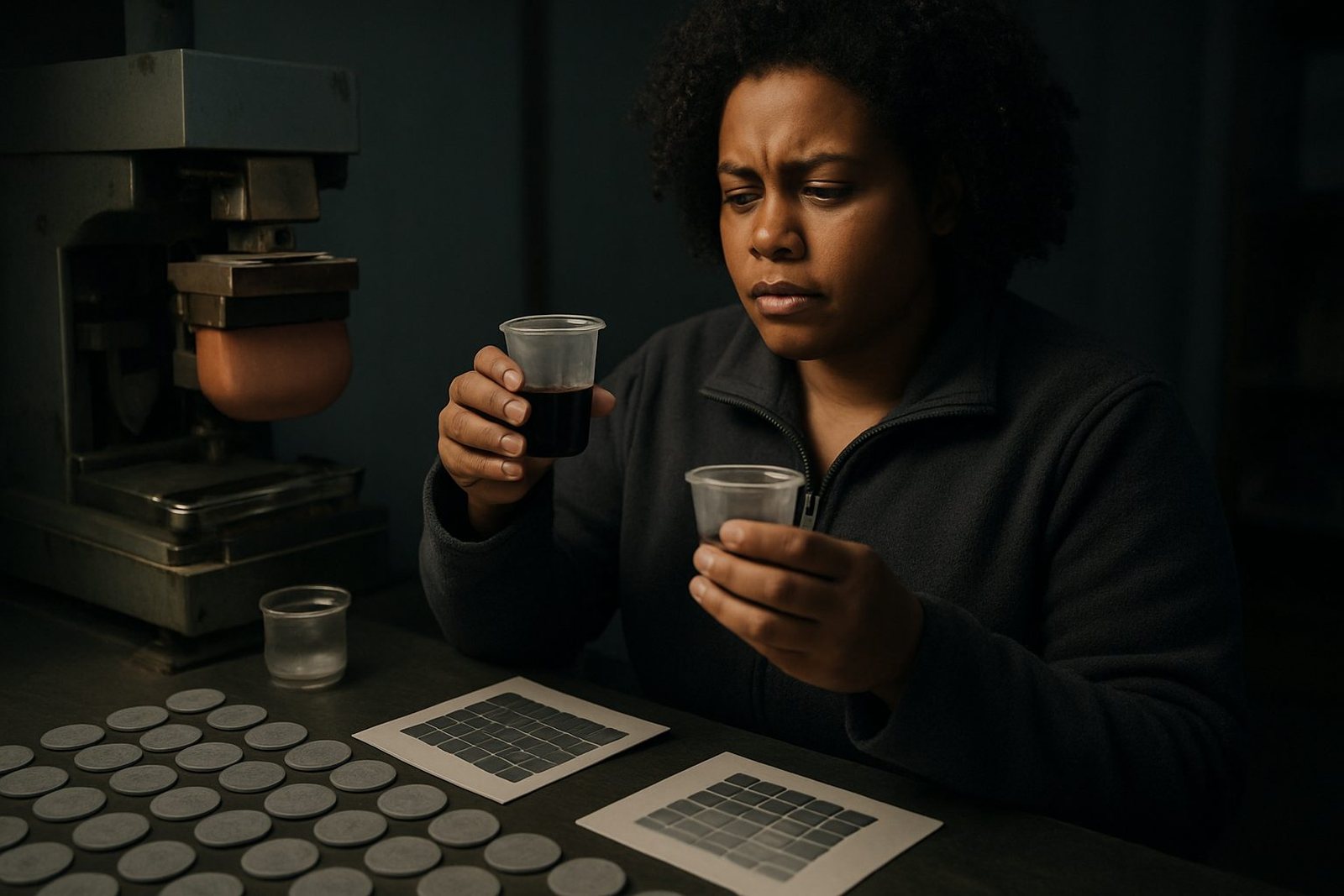
Typical jobs may include batch identification, warning symbols, colour-coded indicators, scale marks, directional arrows and decorative branding that still needs to stay clear after transport and assembly. The inks used are chosen for the substrate and the end use. Some parts need air drying, while others need curing so the finish can harden properly before packing or further assembly. On plastic components, ink adhesion testing is usually part of the setup before any full run is released.
- Small print areas with tight registration
- Curved, textured or recessed surfaces
- Multi-colour jobs that need repeatable alignment
- Parts that need cleaning or curing before onward assembly
How a specialist provider reduces production risk
Outsourcing is not just about taking work off site. It is about controlling the variables that affect print quality. A specialist team will review artwork, check line weight, confirm the printable area and decide whether a logo or code needs redraws before plate making begins. That step saves time later, especially on small components where a line that is too fine can disappear once it is transferred from plate to pad to part.
Good outsourcing also includes fixture making and trial sample runs. A fixture keeps each component in the same position, which helps with alignment and reduces rework. Trial samples allow the client to check placement, contrast and adhesion before a production batch is released. If the product needs a different curing method or a changed ink mix, those decisions are made before the main run starts, not after the parts have already moved down the line.
- Artwork Preparation and Logo Redraws
- Print Area Planning and Colour Matching
- Adhesion Test Samples and Trial Sample Runs
- Rerun Job Control for repeat batches
From the print room: Westmead, Pinetown
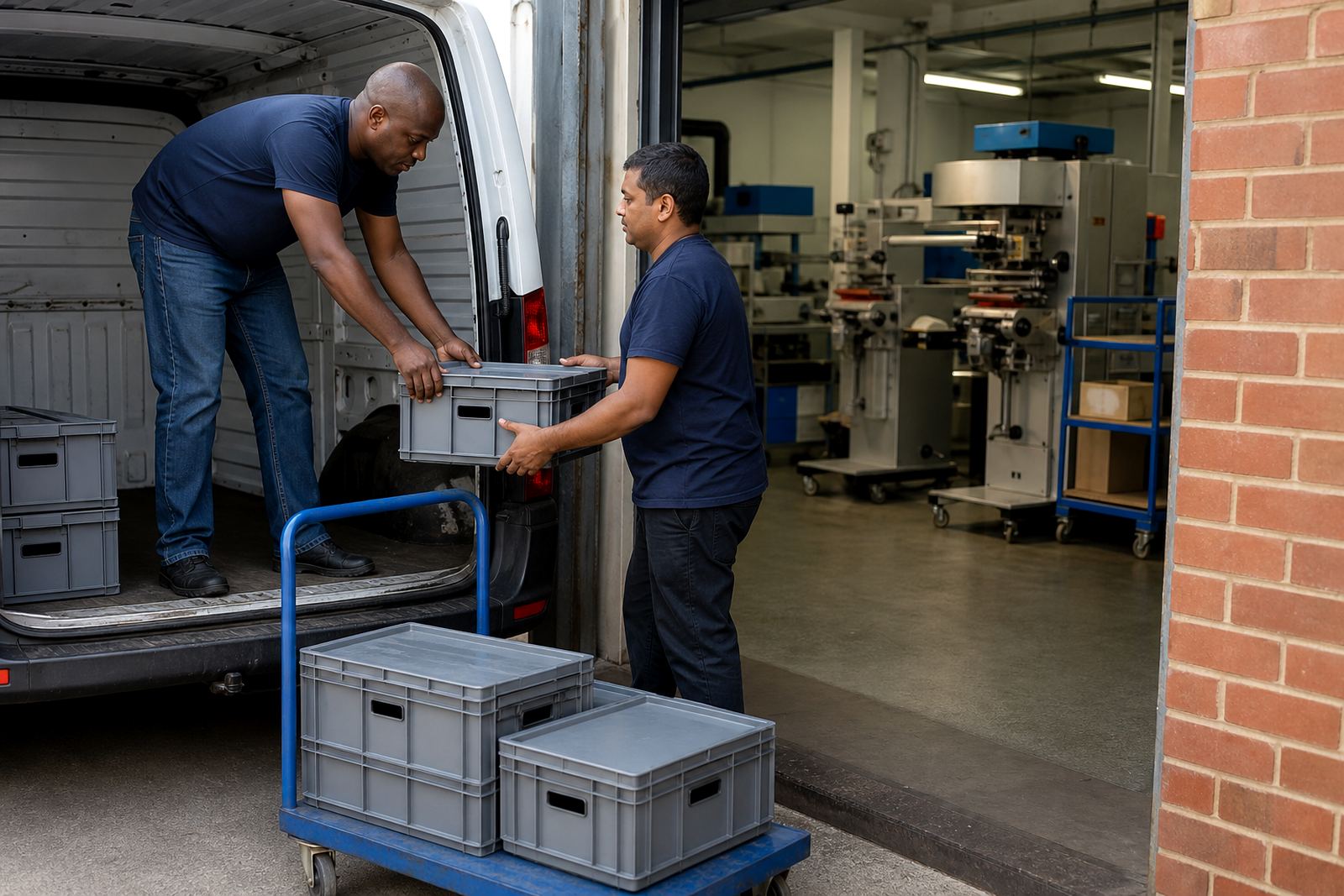
At PadPrinters Medical in Westmead, Pinetown, many enquiries come from manufacturers that need markings applied to parts made in Durban, Johannesburg, Cape Town, Pretoria and Gqeberha. The parts may be small, but the requirements are strict. A connector housing may need a reference code. A medical plastic component may need a symbol in a very specific place. An electronics part may need a clear mark that still reads after assembly and shipping.
A local manufacturer in the greater Durban area, for example, may be producing parts in batches while assembly, packing and dispatch are happening on tight dates. Rather than stopping a line to manage ink mixing, plate wear and curing times internally, the marking step can be handled separately. That leaves the manufacturer to focus on moulding, assembly and compliance checks, while the print job is managed by a team that works with pad printing every day. In humid coastal conditions, ink handling and drying control also need proper attention, so the process must be matched to the material and the environment.
Questions to ask before handing over the job
Outsourcing works best when the brief is clear. Manufacturers should provide a sample part, the required artwork, the exact position of the mark and any limits on colour, finish or curing. If there are multiple versions of the same part, that should be flagged early so the plate and fixture plan can be set correctly. It is also useful to confirm how the parts will be packed for dispatch, especially if the surface must stay clean before final assembly.
Device compliance and product approvals remain the customer's responsibility. A marking provider can help with print quality, repeatability and process control, but the manufacturer must confirm that the finished component suits its intended use and regulatory obligations. That is why many teams ask for trial samples first, then review the result against their own production checks before authorising volume work.
- Is the artwork supplied at usable size and quality?
- Does the part need one colour or more than one pass?
- Will the print need air drying or a curing stage?
- Are the parts sensitive to handling, dust or moisture after printing?
Keeping repeat work consistent across South Africa
Component marking often becomes a repeat job once the part is approved. That is where controlled rerun job management matters. A stored plate, documented setup and confirmed print position help keep the next batch close to the first one, even if the production schedule changes. For manufacturers supplying multiple regions, consistency matters whether the goods are going to a hospital equipment line in Pretoria, an electronics assembler in Cape Town or a distributor in Gqeberha.
PadPrinters Medical supports clients through the enquiry form on the contact page, with services arranged for Pinetown Printing Support, Durban Manufacturers, Johannesburg Supply, Pretoria Supply, Cape Town Supply, Gqeberha Supply, New Germany Support and Westville Support. The team includes Sibusiso Naicker, Naledi Kekana, Sanjay Dookhi, Lerato Mabunda, Yashika Sewpersad and Mfundo Xaba, and the focus stays on practical marking work that fits the part, the material and the production schedule. For manufacturers who want accurate pad printing without bringing the whole process in house, that can be the most efficient way to keep the line moving.