
Why the printed mark is only one part of compliance
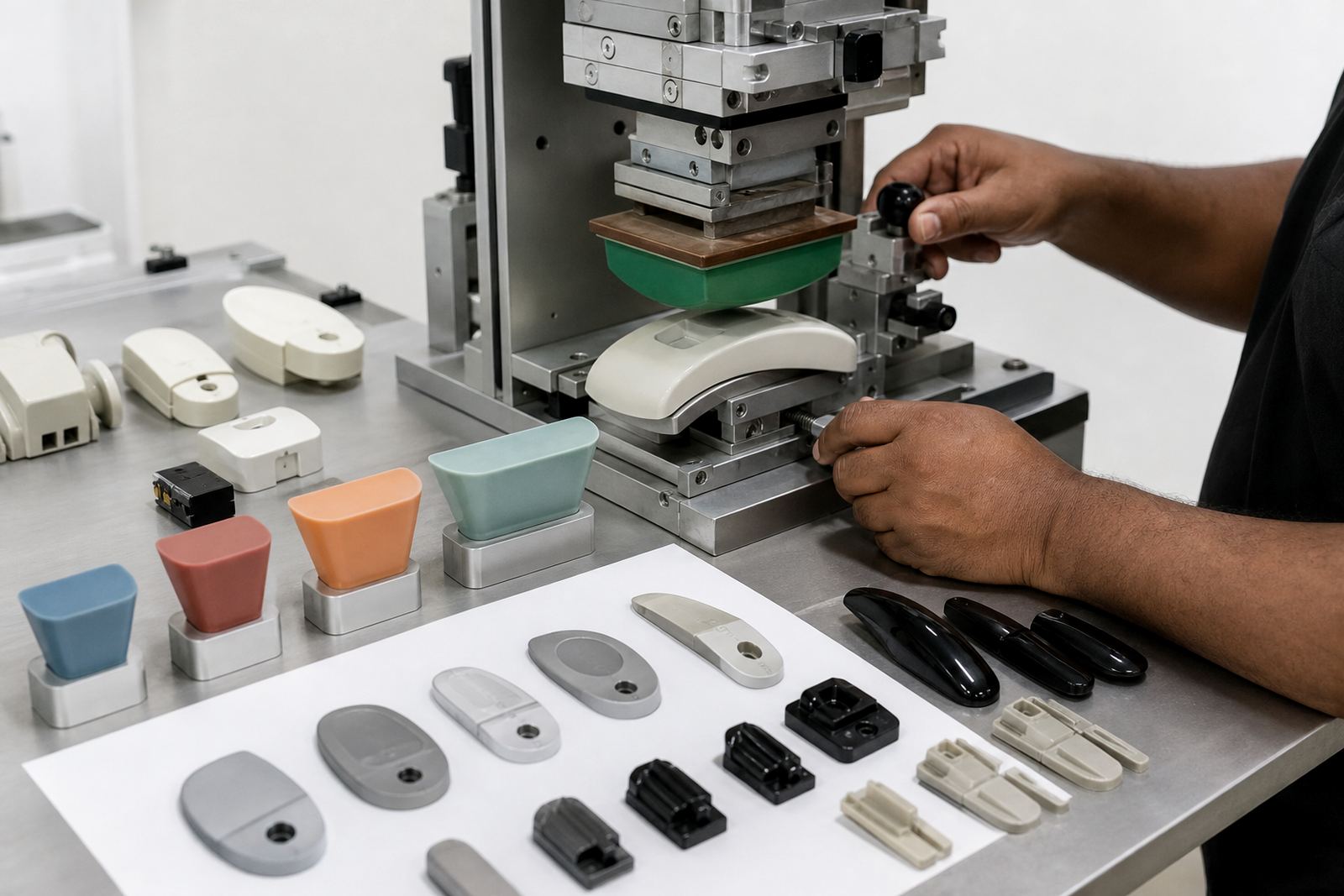
Pad printing is often used for small logos, part numbers, polarity marks, switch icons and patient-facing information on medical and electronic parts. The process can produce a fine mark on shaped surfaces, using silicone pads to transfer ink from an etched plate onto plastics, coated metals and other prepared materials. Even when the print looks correct to the eye, that does not by itself prove the part meets the full device or product specification.
Compliance usually depends on the complete assembly. That includes the substrate, surface treatment, ink type, curing method, cleaning regime, expected handling, sterilisation method where relevant, and the environment the part will face. A mark that holds up on a sample in the workshop may behave differently after heat, abrasion, chemicals, transport or repeated use.
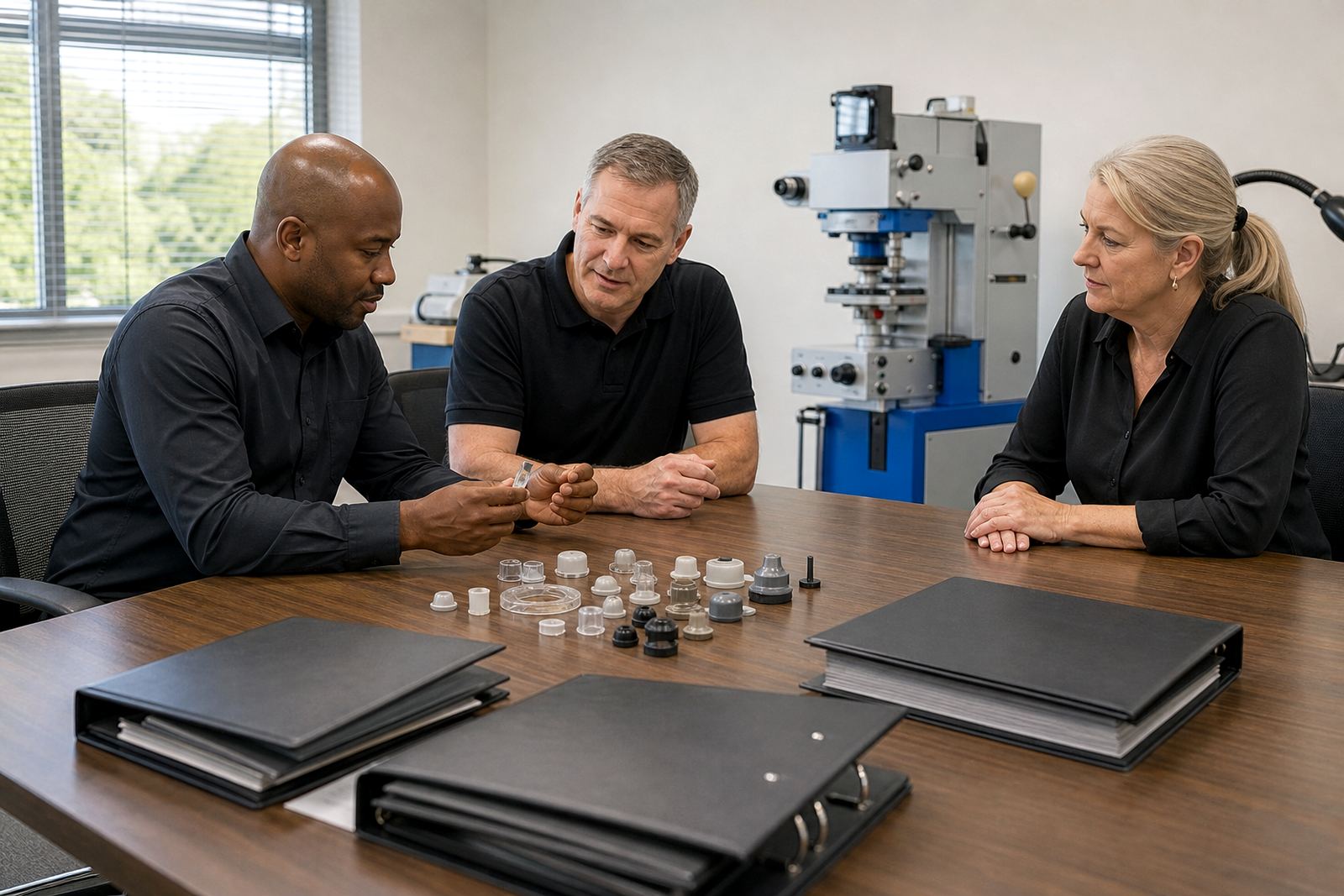
For that reason, customers must check that the printed part works inside their own requirements. Our role is to help produce consistent markings and support the print process, but the final responsibility for product acceptance sits with the customer and the end application.
What customers should confirm before a production run
Before committing to a full run, it helps to confirm the practical details early. This saves time and reduces rework later on. At our Westmead, Pinetown base, we often see projects improve when the customer brings the technical questions up front rather than after the first batch has already been made.
- Which surface will be printed, and what material it is made from
- Whether the mark must resist alcohol wipes, cleaning agents or handling oils
- How the part will be used, stored and packed after printing
- Whether the print must remain readable after curing, assembly or sterilisation
- Which colours, sizes and line weights are acceptable on the finished item
- What testing the customer needs to carry out on the final product
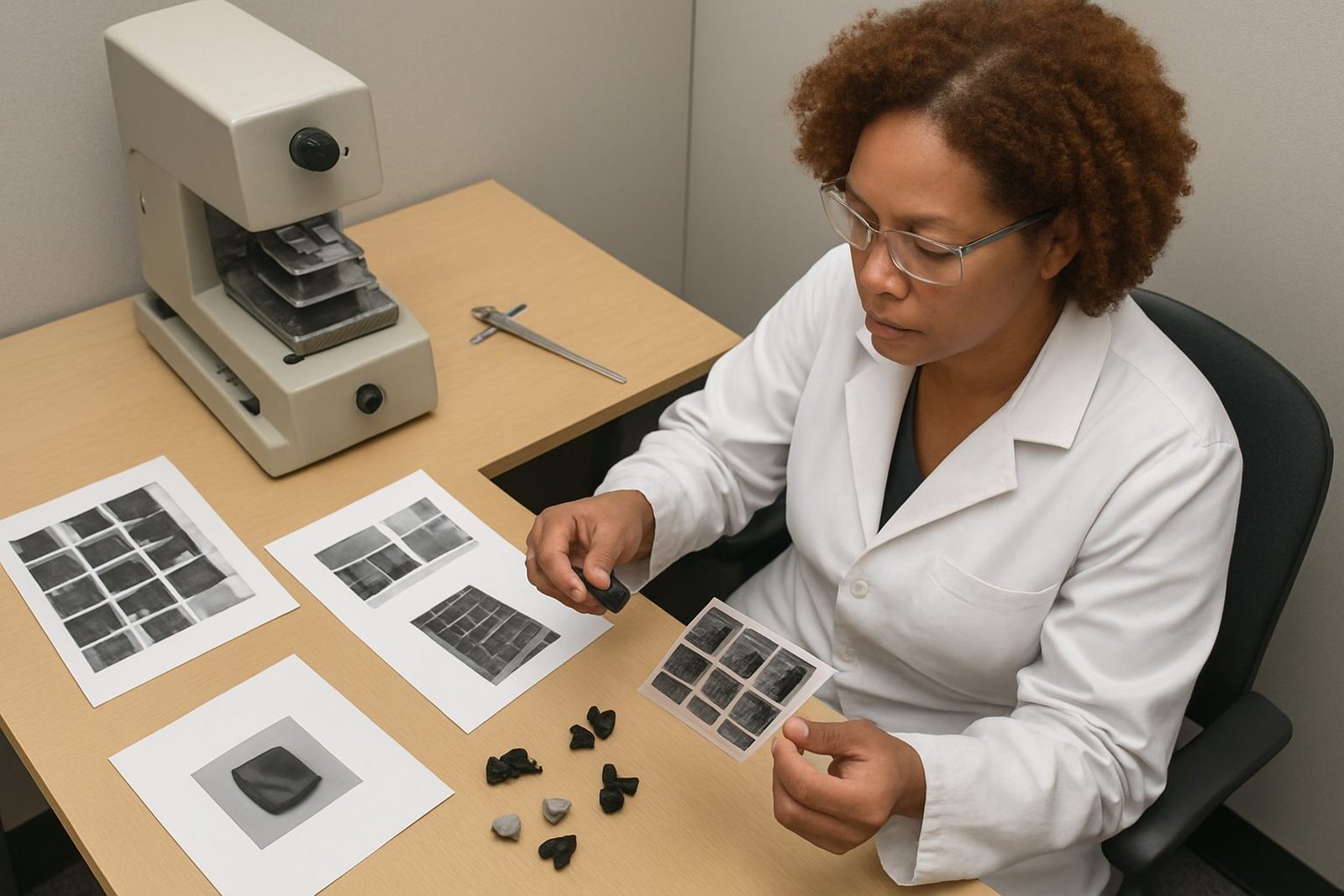
If there is any doubt, we recommend a trial sample run. A small sample lets the customer check fit, legibility and durability against their own internal requirements before moving ahead with larger quantities. That is especially useful for medical housings, control buttons, connectors and instrument panels.
How we support print quality without taking over product approval
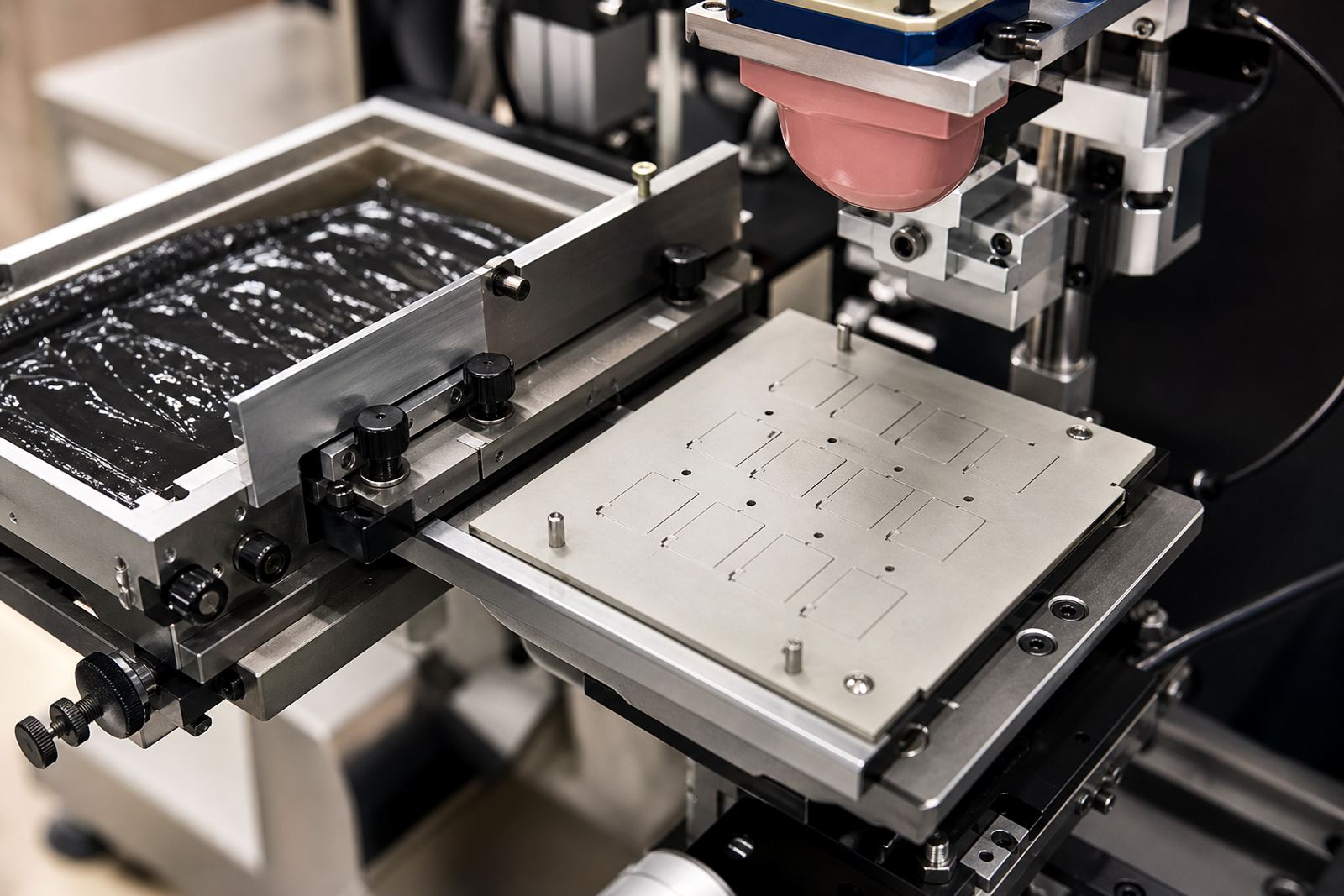
Our work starts with artwork preparation and logo redraws where needed. We then plan the print area, make plates, set up fixtures and test the ink on the part surface. Colour matching, adhesion test samples and curing method selection all matter, because the same mark can behave very differently depending on the material and the finish.
We also manage rerun job control so follow-up jobs stay matched. If a component has a tight print window or an awkward shape, fixture making and careful machine setup help place the image accurately. That matters on parts with raised ribs, curved faces or very small marking areas.
- Artwork Preparation and Logo Redraws
- Print Area Planning and Colour Matching
- Adhesion Test Samples and Trial Sample Runs
- Plate Exposure and Plate Etching
- Fixture Making and Curing Method Selection
- Rerun Job Control and Dispatch Packing
Even with careful setup, final product approval still belongs to the customer. We can advise on practical print limitations, but we do not replace the device maker’s own validation process.
Medical and electronic parts need different checks
Medical and electronic components may both use pad printing, but the acceptance checks are not the same. A medical housing might need a mark that stays readable after repeated cleaning. An electronic control part may need clear legends that do not smear, chip or fade in a production environment with dust and heat. In some cases, the part may also need to survive coastal humidity, which matters for customers supplying from Durban, Gqeberha or other coastal areas.
A print that cures correctly is one thing, but the printed component still has to be assessed in the product’s own handling and storage conditions.
We frequently work with manufacturers in Durban, Johannesburg, Cape Town, Pretoria and Gqeberha, and the same rule applies in each place: the printed mark must be checked in the customer’s own product context. A label style mark on a medical button may be fine for one assembly and not suitable for another if the part is moulded differently or exposed to a harsher cleaning cycle.
From the print room: A Westmead production floor
A Durban manufacturer may bring in a small electronic cover that needs a simple part code and a polarity mark. On the bench, the sample looks right. The customer then tests it after assembly, cleaning and short term handling, and finds the mark needs a slightly stronger cure or a different ink system for their own process.
That is a normal part of production, not a failure. The printed piece was only one stage in a wider product process. Once the customer confirmed the final device handling requirements, we adjusted the setup, ran another sample and the result matched their internal checks better. The key lesson was simple: the print can be technically sound and still need approval against the end use.
This is why clear communication matters from the start. If the customer shares the intended use, cleaning method and finish requirements, we can help narrow down the print options. If the application changes later, the validation question should be revisited before the order moves on.
A practical handover keeps responsibility clear
Good handover protects both the printer and the customer. It avoids confusion about who signed off what, and it makes the next order easier to repeat. For many businesses, that means keeping notes on artwork version, plate details, ink choice, curing settings and the approved sample that the customer signed off internally.
When you place an order with PadPrinters Medical, our team works through the setup carefully, from initial artwork to packing for dispatch. But final acceptance of the marked part belongs with the device or product maker. That is the correct place for compliance decisions, because only the customer knows the full product specification and the risks that apply to their own end use.
- Keep one approved sample for reference
- Record the exact print version used
- Confirm any cleaning or sterilisation exposure before repeat runs
- Review the mark again if the substrate or mould changes
- Re-test after any product redesign, even a small one
Handled this way, pad printing becomes a dependable part of production rather than a late-stage problem. It supports clear identification and good presentation, while the customer retains control of product compliance and device suitability.