
How repeat jobs are matched to the original run
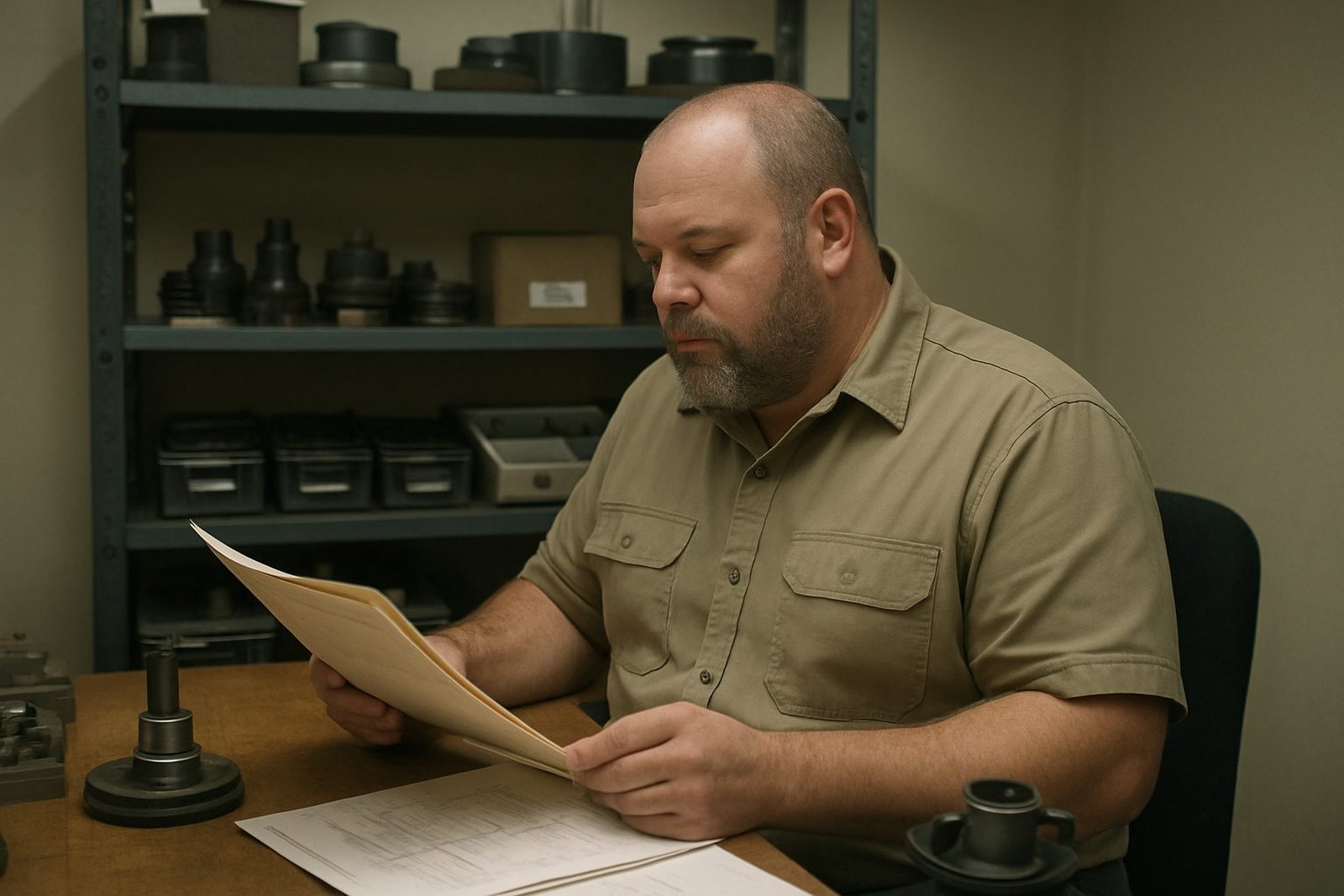
Reruns start with the job record, artwork files, plate details and any approved samples held for the part. For medical and electronic components, small changes can affect fit, legibility and placement, so we check the original print area, orientation and any special notes before production starts.
When a part changes between orders, we compare the new sample against the saved reference and confirm what still matches. That may include housing colour, surface finish, moulding lines or the way the part sits in a fixture. If the old setup no longer suits, we flag it before print starts so there are no surprises later.
What we keep on file for rerun control
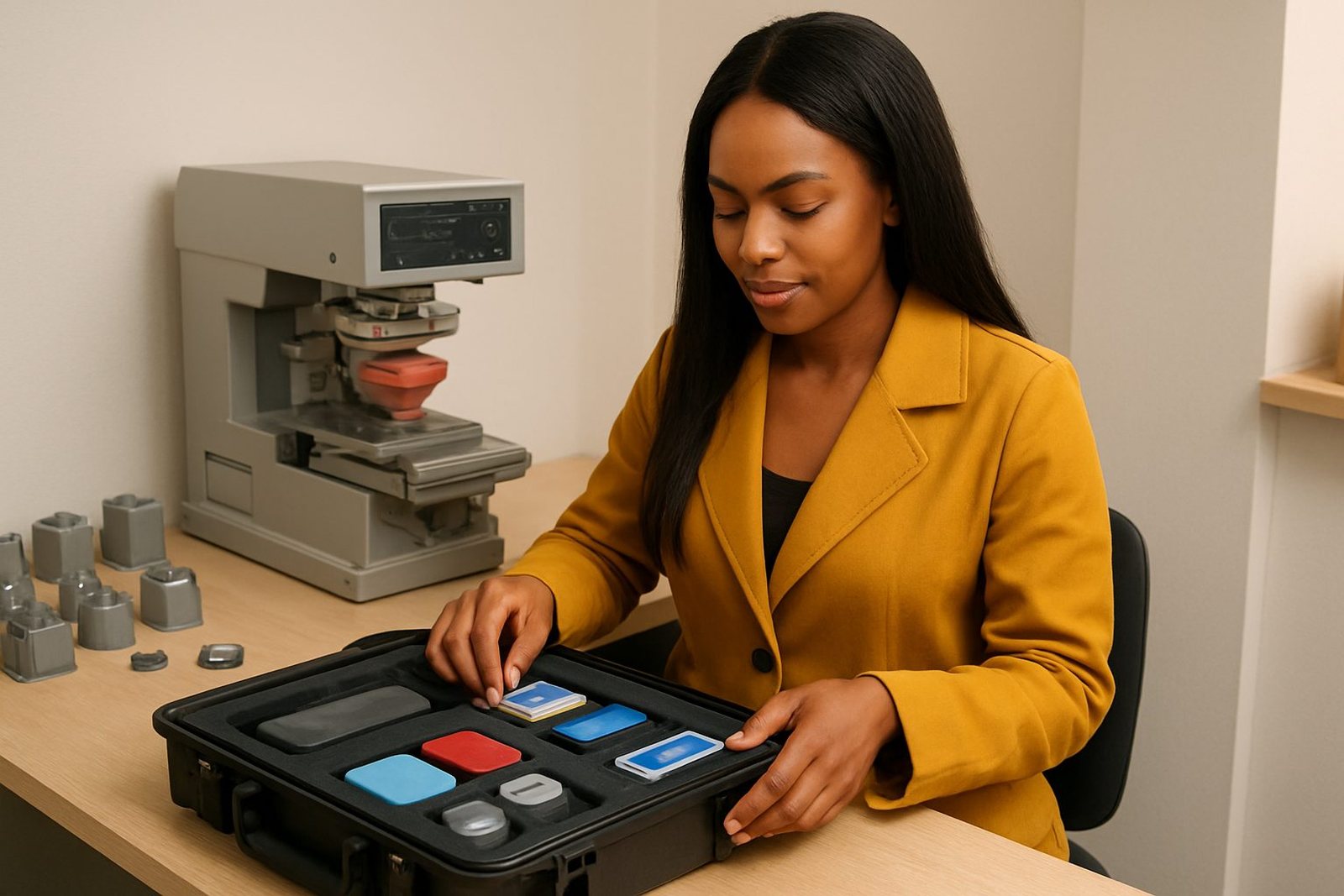
Repeat work is easier when the right references are kept together. For many customers we hold the artwork, plate notes, print position and curing method used on the last approved run. That makes it simpler to repeat the same result even if the order comes back months later.
- Approved sample parts and visual references
- Fixture notes for the specific component
- Plate and artwork records for the print image
- Colour notes and ink handling details
- Previous curing settings and rerun comments
These records are especially useful where a part is small, curved or has limited flat space. A tiny shift in print placement can affect assembly, so we keep the setup notes as close to the original as possible.
Checking fixtures before the next production run
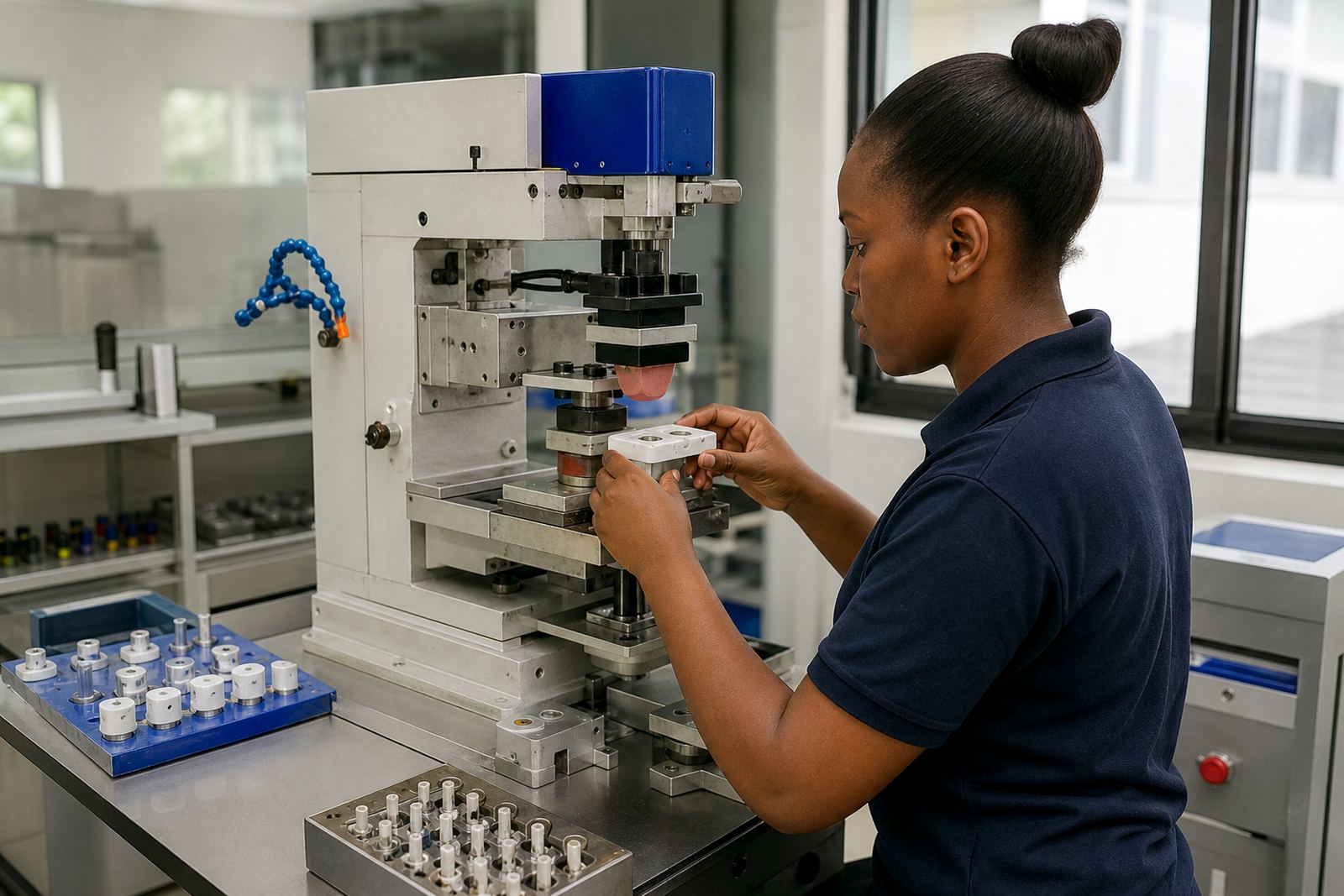
Fixtures are often the difference between a quick rerun and a slow one. If the original fixture is still suitable, we inspect it for wear, movement and part hold. If it needs adjusting, we remake or alter it to suit the current batch. That saves time on setup and helps the print sit in the same position each time.
- Confirm the part is still the same revision
- Check alignment points and hold pressure
- Inspect for wear, cracks or looseness
- Test the part fit before ink is loaded
In Westmead and the wider Durban area, humidity can also affect handling and drying time, so we factor that into the setup. It is a small detail, but it matters when repeat markings need to stay sharp.
Ink, curing and adhesion checks on reruns
Later reorders should not be treated as a straight copy without checking the surface. Plastics, coated metals and printed housings can age differently, and that changes how ink grips. We usually run a quick adhesion test sample first, then confirm the curing method before the full batch goes ahead.
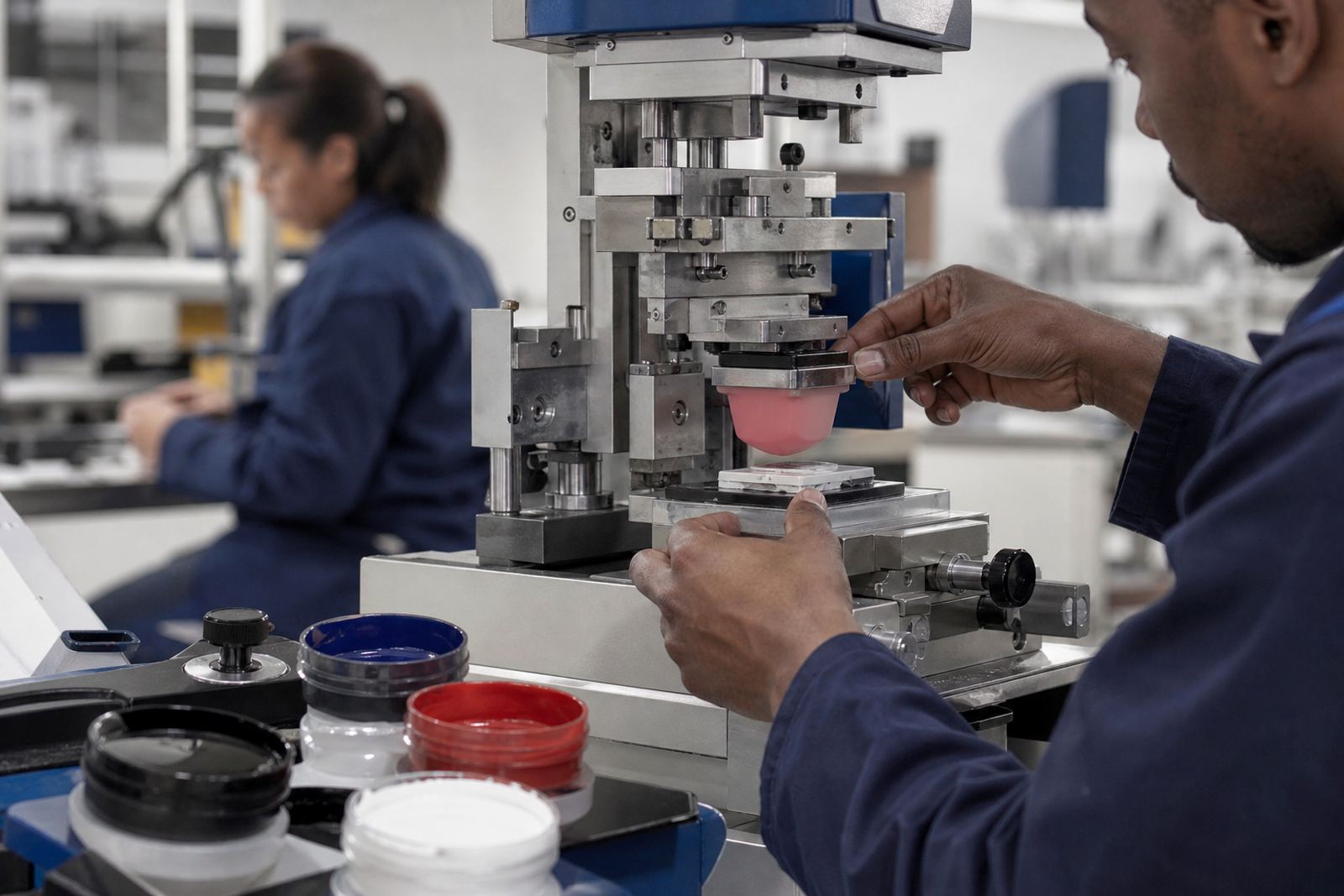
Pad printing relies on the silicone pad picking up the image cleanly and releasing it onto the part with steady pressure. The ink then needs the right curing method to stay durable. On reruns, we compare the current part surface with the approved sample and adjust if needed, because a job that worked last year may need a small change now.
When a repeat order needs a fresh setup
Sometimes a rerun is not a true repeat. The mould may have changed, the artwork may need a line adjusted, or the component may now be supplied in a different finish. In those cases, we treat it as a controlled update rather than a simple copy.
That process still uses the original job history, but we revisit the key points before proceeding:
- Artwork redraws or text corrections
- New print area planning for altered parts
- Fresh plate exposure or etching if the image changed
- Updated trial sample runs for sign-off
Before release, any technical change should be checked against your internal device requirements and approval process.
How to request rerun support from Pinetown
Clients across Durban, Johannesburg, Cape Town, Pretoria and Gqeberha can send a repeat request through the sample request form on our contact page. It helps to include the part name, old order reference if you have it, and a clear note on what must stay the same. If there was a sample approval on the earlier run, mention that too.
From our base in Westmead, Pinetown, we handle rerun support for manufacturers, distributors and production teams who need marking consistency across batches. Whether the job is for a medical housing or an electronic control component, the goal is the same: match the approved result as closely as possible and keep the next run moving.